Hi Everyone! I do hope this post finds you continuing to stay safe, happy and healthy. Thanks for being here again. Tonight we continue on with our Fabulous Fruits. It is amazing how many beautiful fruits there are for us to enjoy and that fit everyone’s tastes and flavor palette! This post will showcase peaches, pears and pineapples!
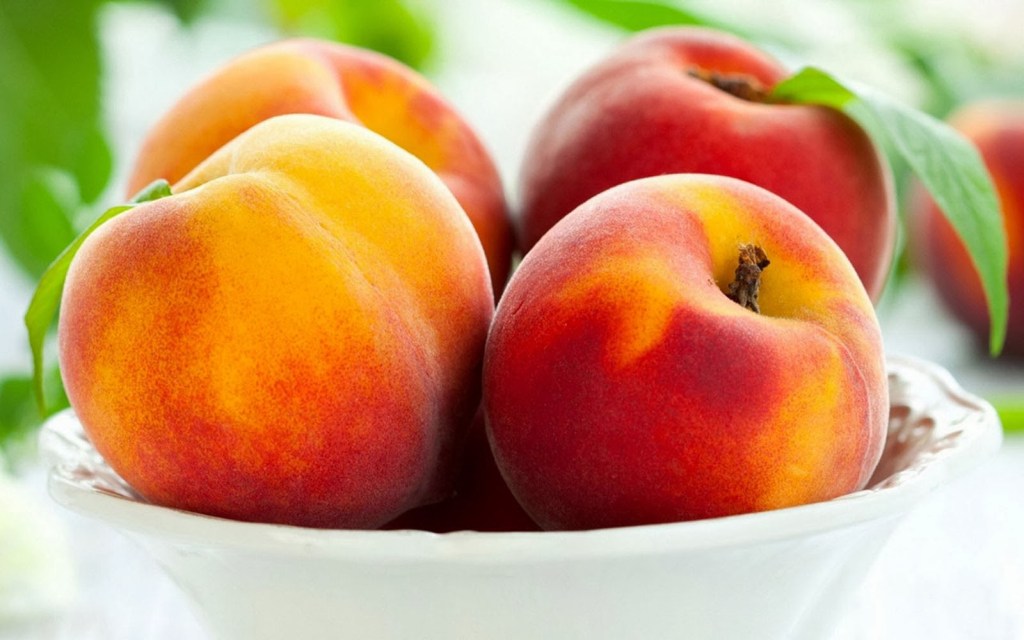
Adding peaches to your diet can aid the bladder, assist elimination, improve digestion, and relieve constipation. An interesting fact I have learned in my nature consultant studies: peaches are good for those suffering from cancer, heart disease and many types of illness because they are easily digested! Peached also contain salicylates, the same compounds used to make aspirin. Researchers suggest these compounds may discourage unwanted blood clots from forming. Key nutrients include vitamin C, potassium, fiber, magnesium, phosphorus, iron, calcium, sodium, manganese, silicon, fructose, glucose, sucrose, zinc, selenium, vitamin B, copper, folate, vitamin K, and small amounts of lipids. Choose mildly fragrant peaches that are firm or just a bit soft. The skin color between the red areas of the fruit should be yellow or creamy and the skins should be unwrinkled. Avoid hard fruit and peaches with green coloring. Avoid very soft fruit with large bruises or any sign of decay. Peaches ripen quickly if placed in a cardboard box and covered with newspaper. Ripe peaches should be stored in the crisper compartment of the fridge and will keep for three to five days. Eat them as soon as they are ripe. They do not store well. Wash peaches under cool water. Peaches can be eaten chilled or at room temperature.
Pears are useful in treating inflammation of mucous membranes, gallbladder disorders, arthritis and gout. Pears can also be beneficial in lowering high blood pressure, controlling blood cholesterol levels, and increasing urine acidity. They are good for the lungs and the stomach. (Side note: pears are very low on the glycemic index and my husband, who is a diabetic, loves these as one of his favorite fruits.) Most of the vitamin C and dietary fiber of the pear are contained within the skin of the fruit! Key nutrients in pears include vitamin C, folate, potassium, iron, fiber, vitamin B, calcium, magnesium, phosphorus, zinc, copper, fructose, glucose, sucrose, vitamin E, and beta-carotene. Choose pears that are well-colored for their variety and have few if any blemishes. Ripe pears will yield to gentle pressure at the stem end. Avoid pears that are soft at the blossom end of the fruit, shriveled at the stem end, or those with surface cuts or dark, soft spots. Pears should be ripened at room temperature and then placed in the fridge. Ripe pears will keep in the fridge for one to two days. Do not store pears in plastic bags as this will cause the fruit to brown at the core. Pears should be washed under cold water and eaten with their skin intact.
Pineapple works to cleanse the body, aid digestion, increase circulation and regulate the glands. Pineapples have a long list of benefits: treating inflammation, influenza, the common cold, sore throat, allergies, bronchitis, pain, diabetes, high blood pressure, arthritis, and liver ailments. Fresh pineapple contains bromelain, an enzyme that reduces inflammation in the body. Key nutrients in pineapple include vitamin C, vitamin B, folate, iron, magnesium, fiber, glucose, sodium, calcium, phosphorus, potassium, fructose, sucrose, zinc, copper, vitamin E, pectin, beta-carotene and lipids. Choose pineapples with a bright, dark green color. Ripe pineapples have a fragrant pineapple aroma and are firm, plump, and heavy when mature. Avoid fruit with a dull yellowish-green color, dried appearance, and soft spots. Do not buy any pineapples that smell sour or fermented. Ripe pineapple can be stored in the fridge in a plastic bag. It will keep for three to five days. Cut up pineapple can be stored in the fridge in an air-tight container and will keep for one week. Wash the pineapple under cool water and remove the leafy crown. Cut the pineapple in quarters and then remove the flesh from the skin!
RECIPES:
Mango Pineapple Salad with Mint. Take 2 cups of peeled, diced ripe mango, 1 cup of chopped fresh pineapple, 1/4 cup of dried cranberries, 1/4 cup of flaked coconut, and 1/4 sprig of chopped fresh mint. Mix coconut, cranberries, pineapple and mango together in a medium bowl. Top with mint for decoration. Cover and place in the fridge until ready to serve.
Fruit Punch Salad. Take 1 cup of green grapes, halved, 8 fresh strawberries, chopped, 1 fresh peach, chopped, 1/2 cup of fresh blueberries, 1/2 Granny smith apple chopped, and 1/2 orange, juiced. In a bowl, mix the apple, blueberries, peach, strawberries, and grapes together. Pour over the fruit salad with the orange juice and stir!
Cinnamon Pear Infusion Water. Take 2 ripe pears, pitted and sliced, 1 cinnamon stick and 8 cups of water. Put the fruit slices in a pitcher and muddle for 1 minute. Add the cinnamon stick and water. Chill for 2 to 12 hours before serving.
Pineapple Blast Smoothie. Take 1/2 pineapple, fresh, peeled and 1 cup of mint, fresh. Put all ingredients in a blender. Blend until you get a smoothie like consistency. Serve chilled.
Have a wonderful rest of your weekend and a smooth start to your new week. I hope it is productive! Next week’s installment will be all about pomegranates, raspberries and strawberries!
“Success seems to be connected with action. Successful people keep moving. They make mistakes, but they don’t quit.”
 Lemon and Rosemary