Hi again and welcome to another fall Friday! I trust your week has been a good one and you are ready for a new week that begins the final one of October! Tonight’s post will finish up our series on “The Goodness of Grains.”
Last week we did a lengthy installment about rice. Tonight will conclude that segment. There are a number of different types of rice that are more or less commonly available. These include the following: brown rice (more nutritious than any other type of rice and the only form that contains vitamin E); black rice (a great rice in risotto or rice-based desserts); white rice; instant rice; wild rice (this is actually not a type of rice but an aquatic grass seed native to North America and contains more protein than any other rice). Side note: wild rice grows in abundance in Minnesota where we are from originally. We LOVED mixing wild rice half and half with white rice in casserole dishes. GREAT FLAVOR! For a different taste experience, or to prepare ethnic dishes, look for specialty rices. They have a nutty flavor and delicate fragrance. Some available specialty rices include the following: arborio rice (grown in Italy and great in rice pudding); basmati rice (highly fragrant and can be substituted for regular rice in most recipes. I LOVE using basmati rice and spooning homemade chili over a bowl of basmati rice for an elegant flair!); black japonica rice (great in stuffing!); jasmine rice (this rice is very good in stir fry and Asian dishes); mochi rice.
Roasted soybeans are ground into a fine powder to make high-protein flour that is more nutritious than grain flour. Soy flour comes in two types: natural, which contains all of the soybean’s oils; and defatted, which has the oils removed during processing. Of the two, defatted has more concentrated protein. Soy flour can be used as it is, or toasted in a dry skillet over moderate heat to bring out its nutty flavor. To use soy flour in baking, substitute it for one quarter of the recipe’s primary flour. Soy flour can be added to almost any recipe for hot cereals, soups, stews, breads, and pancakes. TIP: to reduce cholesterol in baking recipes, replace eggs with 1 tablespoon of soy flour and 2 tablespoons of water per egg. Key nutrients in soy flour include protein, B vitamins, vitamin E, lecithin, phosphorus, potassium, calcium, iron and zinc.
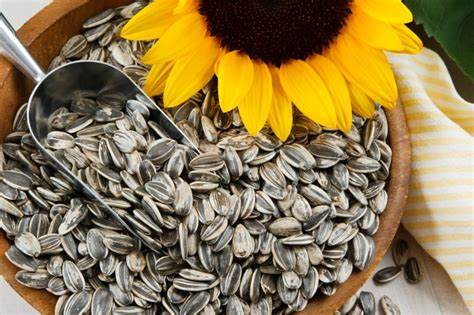
The seed of the sunflower plant can be used to make a flour that can add alot of nutrients to baked goods and is especially good in cookies. Use it to replace a portion of the flour in your favorite recipe. If you grind your own sunflower seed flour at home, make sure the seeds are fresh. Select packages that contain few off-color or dark seeds. For best results, grind the seeds just before using them as they can become rancid once exposed to air. Key nutrients in sunflower seed flour include protein, fiber, potassium, calcium, iron, vitamin B, folic acid, phosphorus and zinc and copper.
Wheat is one of the oldest cultivated grains and the world’s most important cereal crop. Nearly 2 billion people regularly use wheat in their diets. Wow! Whole wheat, in which the bran and germ remain intact, is considered a nutritional powerhouse! Wheat bran, for instance, is packed with 12 grams of fiber per ounce!! The thousands of varieties of wheat are known by planting season, grain hardness, and kernel color. The most common categories are hard red winter, hard red spring, soft red winter, hard white, soft white, and durum. Soft and hard white wheat are milled into flour used mainly for baking. Soft wheat flour is higher in carbohydrates and is good for making pastries. crackers and cookies. Flour made from hard wheat is higher in protein and is good for breads because of its higher gluten content. Cracked wheat, made from wheat berries, is good for hot cereals and can be sprouted. Rolled wheat, similar to rolled oats, can be used in granola and cookies. Durum, the hardest type of wheat, is primarily processed into semolina flour to make pasta. Key nutrients in whole wheat include protein, fiber, B vitamins, vitamin E, iron, folate, magnesium. (Word of caution: wheat is high in gluten which makes bread rise. However, many people are unable to tolerate gluten. Celiac disease, an intestinal disorder caused by gluten intolerance, is a condition in which this intolerance leads to irritation and damage of the intestinal lining, which in turns caused poor absorption of nutrients and water. And wheat can cause allergic reactions in some people.)
RECIPES:
Peanut Butter Delight Milk Shake. Take 1 1/4 cup of cold milk or almond, soy or coconut milk, 1 ripe large banana, peeled and sliced, 2 1/2 tablespoons of old-fashioned rolled oats, 1 tablespoon flaxseed oil, 1 tablespoon unsalted peanut butter, 1 teaspoon honey and 10 small ice cubes. Combine all ingredients in a blender and puree until smooth. Drink and enjoy!
Rice Stir Fry. Take 1 cup of chopped broccoli, 1 cup of sliced mushrooms, 1/2 cup of chopped celery, 1 onion sliced, 1 red pepper, chopped, 1/2 cup of sliced carrots, 1/2 cup of cauliflower pieces, 3 cloves of garlic, minced, 1/2 cup of sliced almonds, 1/4 of sunflower seeds, 2 tablespoons of sesame oil, 2 tablespoons of teriyaki sauce, 1 teaspoon of seasoning of choice, and 2 cups of cooked rice. Saute the vegetables, garlic, almonds, and sunflower seeds in sesame oil until vegetables are crisp, not soft. Add the teriyaki sauce, seasoning. Stir until mixed and warmed through and serve over the cooked rice. Serve immediately.
Spicy Cranberry Cornbread. Take 1 1/2 cups of milk, 1 tablespoon of apple cider vinegar, 1/4 cup of unsweetened applesauce, 2 tablespoons of pure maple syrup, 3 tablespoons of minced scallion, 2 tablespoons of minced jalapeno pepper, 2 tablespoons of dried sweetened cranberries, 1 tablespoon of neutral flavored oil, 1 cup of whole wheat pastry flour, 1/2 cup of corn flour, 1/2 cup plus 2 tablespoons coarsely ground cornmeal, 1 teaspoon of fine sea salt, 1/4 teaspoon ground black pepper, 1 tablespoon of baking powder, and nonstick cooking spray. Put an 8 inch cast-iron skillet in the oven and preheat the oven to 400 degrees. Combine the milk and vinegar in a medium-sized bowl. The mixture will curdle and become like buttermilk. Stir in the applesauce, syrup, scallion, jalapeno, cranberries and oil. Combine the flours, cornmeal, salt and pepper, and baking powder in a second medium sized bowl. Whisk to combine. Pour the wet ingredients into the dry and stir until combined, but do not overmix. If the mixture is too dry, add the additional milk 1 tablespoon at a time as needed. The mixture should be pourable. Carefully take the skillet out of the oven and coat it with cooking spray. Pour the cornbread batter into the skillet and put it back in the oven. Bake for 33 to 38 minutes, until a toothpick inserted into the center comes out clean. Let cool slightly before serving.
I hope you all have enjoyed this series. Next week we begin a new one entitled “Beautiful Beans” (one of my absolute favorite foods, talk about healthy and versatile!) And a great fall staple!! Have a great weekend. Stay safe and well and I will “see” you next week.
“A HEALTHY ATTITUDE IS CONTAGIOUS, BUT DON’T WAIT TO CATCH IT FROM OTHERS. BE A CARRIER.”
 Lemon and Rosemary