Happy Sunday Everyone! I hope you are having a great weekend as we enter the final two week countdown to Christmas Day. I hope this week’s post finds you all safe, happy and healthy and enjoying the season!
Tonight will be Part One of our Spices and Herbs series. It will feature allspice, anise, basil, and bay leaves.
Allspice is the dried, unripe berry of a Caribbean evergreen tree. Its flavor is like a combination of cinnamon, pepper, juniper, and clove. Whole or ground berries can be used with sweet and savory foods. Add a few berries when making stock or stew; add ground allspice to mulled cider, fruit desserts, and pumpkin pie. Allspice is also called pimento and Jamaica pepper. As a healing spice, allspice has anti-inflammatory, anti-oxidant properties. Oil from allspice berries is an effective pain reliever and may promote digestive enzyme activity. For toothaches, apply allspice oil with a cotton swab directly to the tooth or gum. To make a digestive tea, use 1 to 2 teaspoons of allspice powder per cup of boiling water; steep for ten to twenty minutes, then strain. Key nutrients in allspice include calcium, vitamin C, vitamin B, vitamin A, vitamin E, iron, magnesium, phosphorus, potassium, zinc, folate, and fiber. Phytochemicals include limonene, eugenol, and phytosterols.
Anise belongs to the parsley family. Its flavor is highly aromatic, sweet, and licoricelike. It is also called star anise and Chinese anise. Traditionally, anise has been used to treat digestive problems, coughs and asthma. The Chinese have used star anise for centuries to treat rheumatism. Anise seeds can be chewed as a breath freshener. To make anise tea, use 1 teaspoon of gently crushed anise seeds per cup of boiling water; steep for ten to twenty minutes, then strain and drink. Whole or ground anise seeds can be used in Asian dishes, soups, spice cakes, cookies, fruit, and other desserts. Key nutrients in anise include calcium, iron, magnesium, phosphorus, potassium, zinc, Vitamin C, vitamin A, vitamin E, vitamin B, pantothenic acid, and fiber. Phytochemicals include limonene, apigenin, caffeic acid, eugenol, linalol, rutin, and squalene. (Word of caution: use anise oil in very small doses. Ingesting large doses may cause nausea.)
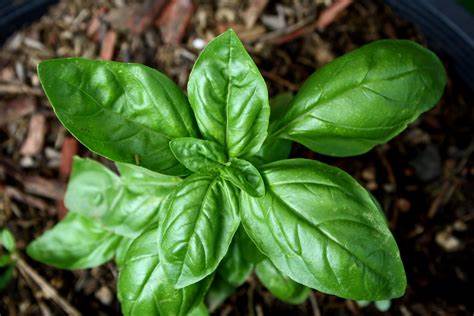
Basil, a member of the mint family, is sweet and pungent, minty, and mildly peppery. It relieves a variety of digestive disorders, including stomach cramps, vomiting, and constipation. It may also be used as a disinfectant. (Word of caution: in large amounts, this herb can cause problems such as nervousness and rapid heartbeat, so use it sparingly!) As a culinary herb, basil perks up fresh-sliced tomatoes and cucumbers, and goes well with chicken, fish, and pasta sauce. A staple in Italian cooking, it is the basic ingredient in pesto. To make basil tea, use 1 teaspoon of dried basil per 1/2 cup of boiling water, steep for five minutes, then strain and cook. Key nutrients in basil include vitamin A, vitamin C, calcium, iron, magnesium, phosphorus, potassium, zinc, manganese, vitamin B, folate and fiber.
Bay leaves are the dried leaves of the evergreen laurel tree. Also called laurel and sweet bay, their flavor is woody and astringent, with a subtle minty aroma. They are an aid to relaxation and help to manage stress. Bay is good for relieving migraines and has a beneficial effect on the stomach. Bay leaf oil is antibacterial. To repel household pests naturally spread some crushed bay leaves in kitchen cupboards and other infested areas. Also, place them in grain to deter insects. For a relaxing tea, use 1 to 2 teaspoons of crushed leaves per cup of boiling water. Strain the tea before drinking. One to 2 drops of bay oil can be added to regular black tea, honey or brandy! Bay leaves add flavor to meats, fish, poultry, vegetables, and stews. The leaves blend well with thyme. Remember to remove bay leaves after cooking and before serving your dish–they are tough and leathery and very strong tasting. Key nutrients in bay leaves include calcium, iron, magnesium, phosphorus, potassium, zinc, vitamin C, vitamin A, vitamin E, folate and fiber. Phytochemicals include limonene, eugenol, geraniol, linalol, and rutin. Used as a seasoning, bay leaves are quite safe. However, as with herbs, if you are pregnant, you should not take medicinal doses.
RECIPES:
Bay Leaf Rub. This spice blend is good for fish or chicken. Just rub a little olive oil on the surface first, then rub on a generous amount of the spices. Make ahead. The mixture can be stored in an airtight container at room temperature for up to 3 months. Take 2 teaspoons ground bay leaf (about 12 large bay leaves), 2 tablespoons of packed light brown sugar, 1 teaspoon dried orange peel, 1 teaspoon sweet or hot paprika, 1 teaspoon crushed coriander seed, 1/2 teaspoon onion salt or garlic salt, 1/2 teaspoon freshly ground black pepper, and a pinch of cayenne pepper. Whisk together the ground bay leaf, brown sugar, orange peel, paprika, coriander seed, onion or garlic salt, black pepper and cayenne pepper in a small bowl. Use right away or store in an airtight container, away from light and heat for up to 3 months.
Healthy Lemon Basil Vinaigrette. Take 1/3 cup of olive oil, 3 tablespoons lemon juice, 1 tablespoon of lemon zest, 1/4 teaspoon salt, 1/2 teaspoon of pepper, 1/4 teaspoon of garlic powder, 1/3 cup of packed fresh basil, In a food processor or blender, blend all ingredients until smooth. Pour over your favorite salad and enjoy!
Skinny Basil Pesto. Take 1 cup of basil, 1 clove garlic, 1/4 cup of grated parmesan, salt and pepper to taste and 2 1/2 tablespoons of olive oil. In a food processor, pulse basil, garlic, parmesan cheese, salt and pepper until smooth. Slowly add the olive oil while pulsing. Store in a sealed container and refrigerate until ready to use. You can also freeze this in ziploc bags to use at a later date.
Have a fantastic week everyone! Stay safe and well. See you back next week where we will continue with Part Two all about Caraway, Cardamom, Cayenne Pepper and Red Pepper!
“Christmas is not as much about opening our presents as opening our hearts.” Giving gifts is a fun Christmas tradition, but it doesn’t compare to the joy we get from giving intangible gifts: a listening ear, a helping hand, even a simple smile.
 Lemon and Rosemary
This is a very well written post.
LikeLike
Thank you so much for the kind words! I greatly enjoy researching these posts and putting them together!
LikeLike
The lemon basil vinaigrette sounds delicious!
LikeLike