Hello Everyone! Welcome to another Sunday and beginning of a new week. I hope this past one has been a safe and healthy one for all of you. Thanks for being back! Tonight is part five of our series which features dill, fennel, garlic and ginger!
Dill has a delicate, lemony, celerylike flavor. This herb has been used for thousands of years as a digestive aid and gas remedy. It is good for the kidneys and spleen and has been used to lower blood pressure, improve poor appetite, and increase circulation. Dill seed oil has been shown to check the growth of several bacteria that attack the intestinal tract. TIP: Chewing 1/2 to 1 teaspoon of seeds also freshens the breath. You can make dill tea by steeping 2 teaspoons of lightly crushed seeds in a cup of boiling water for ten minutes; then strain and drink. Dill seed is excellent sprinkled on seafood and stirred into cottage cheese, tofu, tuna or potato salad. It perks up eggs and green salads. French cooks use dill seeds to flavor cakes, pastry, and sauces. Use the green leaves of the dill plant to complement the same foods. Key nutrients in dill include calcium, iron, magnesium, phosphorus, potassium, zinc, vitamin C, vitamin A, vitamin E, vitamin B, folate and fiber. Phytochemicals include carvone, limonene, caffeic acid, and tannin.
Fennel is a member of the carrot and parsley family that has a mild, licoricelike flavor. It aids in digestion and helps to prevent gas. It has a gentle laxative effect and has proven beneficial for people with nausea or coughs and for treating motion sickness. Either chew a handful of fennel seeds or make a tea by using 1 to 2 teaspoons of gently crushed seeds per cup of boiling water, steep for 10 minutes and then strain and drink. Fennel leaves, stalks, roots and seeds can be used with fish, in Italian dishes and sauces and in salads. You can add whole or ground seeds to breads and pickles. Key nutrients in fennel include calcium, iron, magnesium, phosphorus, potassium, zinc, vitamin C, vitamin A, vitamin B, fiber and folate. Phytochemicals include beta-carotene, linalol, rutin, vanillic acid. NOTE: Fennel is quite safe when used as a seasoning, but because of its menstruation-stimulating actions, it should not be used medicinally during pregnancy!
Garlic – Every study conducted on garlic has shown it to be one of the most powerful plant substances known! Garlic oil is helpful in the treatment of all heart disorders, high blood pressure, and fungal infections. Garlic is also shown to be beneficial in combating degenerative diseases. This wondrous herb’s benefits to human health are SO numerous that an entire blog post later on will be solely devoted to garlic!
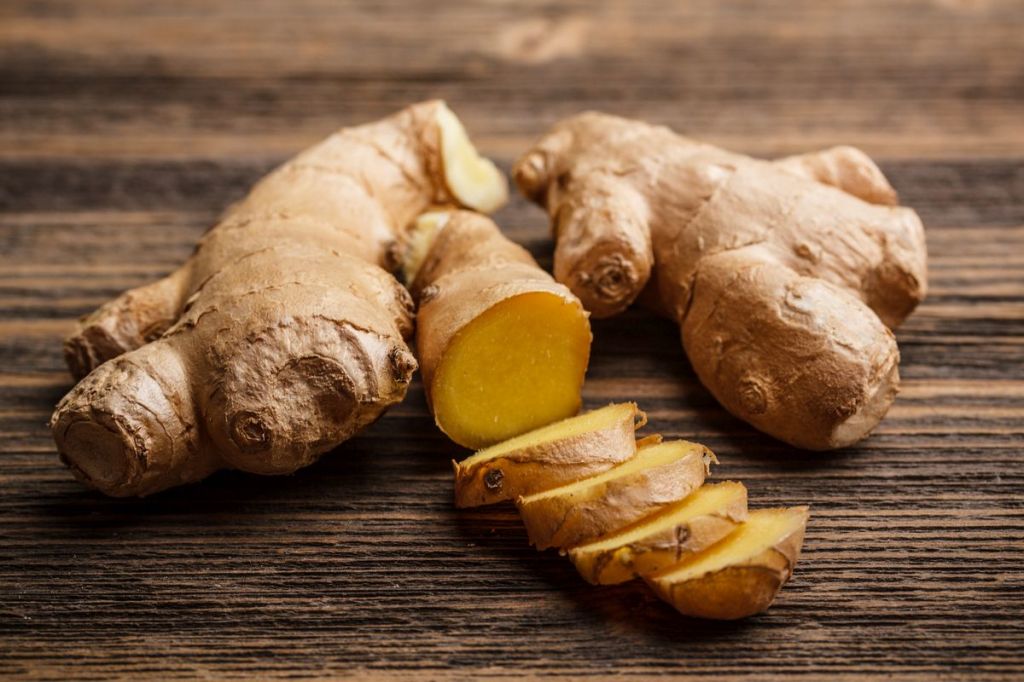
Ginger (hands down one of my absolute favorite spices) has a strong, spicy, sweet flavor. It is one of the most widely available and used medicinal herbs on the planet. It is a time-proven remedy for nausea, morning sickness, upset stomach, indigestion, vomiting, motion sickness and cramps. Ginger can destroy bacteria, including Salmonella, which causes food poisoning. Gingerol, an aromatic compound in ginger, promotes healing of inflammations and minor burns. Ginger root tea eases sore throat pain and kills cold viruses. ***Take 1/3 teaspoon ground ginger or 1 teaspoon fresh ginger root in food or drink three times a day. To prevent motion sickness, drink tea or juice mixed with 1/2 teaspoon ground ginger one-half hour before traveling! (My oldest son has a mild form of Crohn’s and when he has a flare-up, he will make a tonic with ginger to provide relief!) The rhizomes, or underground stems, of the ginger plant are used fresh or in dried, ground form. Fresh ginger (peel the skin before grating or slicing the root) is a favorite in Asian dishes, marinades, and fruit salad dressings. Ground ginger lends a warm, spicy pungency to breads, cookies, spice cakes, and pumpkin pie. It also flavors soft drinks and candy. Key nutrients in ginger include calcium, iron, magnesium, phosphorus, potassium, zinc, vitamin A, vitamin C, vitamin B, vitamin E, folate and fiber. ***Note: If you take anticoagulant (blood-thinning) drugs, avoid consuming large amounts of ginger, which could thin the blood further. Also, limit taking more than 3 grams of ginger at a time.
RECIPES:
Buttered Dill Potatoes. (I love making this a a side dish when we have fish or salmon.) Take 16 small potatoes (we use the Little Potato Company varieties) halved, 2 tablespoons of unsalted butter of your choice, 2 tablespoons of minced fresh dill, and 1/2 teaspoon sea salt and 1/4 teaspoon pepper. Fill a large pot with about 3 inches of water and place a steamer insert in the bottom of the pan. Bring to a boil. Place halved potatoes on top of the steamer insert and cover pot with a lid. Steam potatoes until fork tender, about 15 minutes. Removed steamed potatoes from the pot, drain water and remove steamer insert. Return potatoes to the warm pot and add butter, dill, salt and pepper. Toss to coat until butter is melted and then serve warm.
Lemon Garlic Tilapia. Take 4 tilapia fillets, 3 tablespoons fresh lemon juice, 1 tablespoon butter melted, grated clove of garlic, and 1 teaspoon of dried parsley. Preheat the oven to 375 degrees. Spray a baking dish with a nonstick cooking spray. Rinse the tilapia fillets under cool water and pat them dry with a paper towel. Place the fillets in a baking dish. Pour lemon juice over the fillets and then drizzle melted butter on top. Sprinkle with the garlic, parsley and pepper. Bake in preheated oven until the fish is white and it flakes when pulled apart with a fork (or about 30 minutes).
Ginger Tea. (This tea is very soothing and healthy and is very good three different ways: hot, iced, or as a sparkling fizzy drink.) Take 1 cup of boiling water, 4 1/8 inch slices of fresh ginger, 1 small sprig of fresh rosemary or fresh mint, and 1/2 teaspoon of honey. Pour water in a cup. Add the fresh ginger, rosemary and honey. Stir to dissolve the honey. Steep for 5 minutes. Remove ginger and rosemary, or for intense ginger and rosemary flavor, leave in ginger and rosemary while sipping. To prepare Iced Ginger Tea: prepare the ginger tea and then remove the ginger and rosemary. Refrigerate for 2 hours covered. Serve over ice. To prepare Sparkling Ginger Fizz: Prepare the Iced Ginger Tea using 1/8 inch slices of fresh ginger. Pour tea in tall ice-filled glasses. Pour in calorie-free carbonated water.
I hope you have enjoyed this week’s post and have gained some tips and info you can use! Have a great week and I look forward to having you “back” next week as we move on to horseradish, marjoram, mint and mustard seed!
“PEACE: it does not mean to be in a place where there is no noise, trouble, or hard work. It means to be in the midst of these things and still be calm in your heart.”
 Lemon and Rosemary
My Italian family slices the fennel bulb into slivers and serve it as an app with EVVO mixed with salt and pepper.
LikeLike
I LOVE this idea. Thanks for sharing. Would it be okay with you if I include this in next week’s post as an extra tip and credit you with the tip?
LikeLiked by 1 person
Oh for sure. Thanks for thinking of me.
LikeLiked by 1 person