Hello again everyone and happy Sunday! I hope it has been a good day, whether you are enjoying the Super Bowl game, indulging in a hobby or a quiet evening with a book (maybe curled up by the fire if you are reading this from the Midwest where it is a balmy -34 degrees today!) Thanks for being back as we are on to Part Seven in our series “Spices and Herbs”. Tonight is all about Rosemary, Saffron, Sage and Tarragon.
And before we begin, our fellow blogger bernlag from New Classic Recipes shared the following tip after last week’s post: “Nutmeg is one of my favorite spices also. It is. used extensively in Sicilian recipes. I always add it to the ricotta filling of my lasagna and manicotti.” I personally can’t wait to try this one!
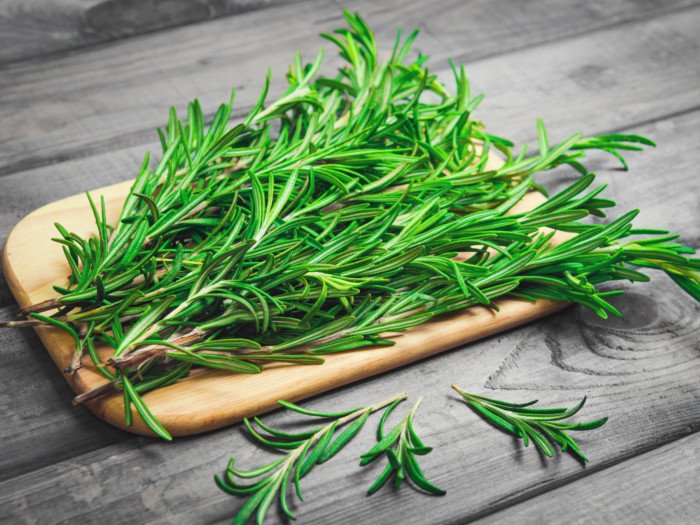
Rosemary is a member of the mint family with a piney, savory sweet flavor. It is a powerful antioxidant. Rosemary stimulates the appetite, aids digestion and circulation. Its strong antioxidant actions make it an excellent food preservative, too; mix the crushed leaves with food that spoils easily. Rosemary is used to treat nasal and chest congestion. Used externally, it helps soothe sprains and bruises and disinfects wounds. For a healing tea, mix 1 teaspoon of rosemary in 1 cup of boiling water; steep for ten minutes, then strain and drink. (I am on my feet all day at work and make an all natural pain salve with rosemary, peppermint and eucalyptus essential oils that is wonderful for my knees! I also make a goat’s milk soap with rosemary and peppermint that is wonderful to use as a shower soap when congested.) Rosemary’s strong assertive flavor makes it difficult to pair with other herbs. Use its leaves sparingly with vegetables, grains, soups and stews. Or add it to olive oil for an Italian-style bread dip. Rosemary is good with root vegetables, such as potatoes and onions, and is often used to season lamb. Key nutrients in rosemary include calcium iron, magnesium, phosphorus, potassium, zinc, copper, manganese, vitamin C, vitamin B, vitamin A, vitamin E, folate and fiber. Phytochemicals include carvone, tannin, pectin, beta-carotene, thymol.
Saffron comes from the crocus family and is by far, the most expensive of the spices. The stigma, or top part of the flower that receives pollen, is powdered to add a bright yellow color and exotic taste to food. It takes more than 70,000 flowers to produce just one pound of saffron. WOW! Hence its high price tag. The flavor is pleasantly spicy and slightly bitter. Saffron acts as an antioxidant to the circulatory system. It is also used as an expectorant and to relieve pain and digestion. To make a tea, use twelve stigmas or 2 teaspoons of saffron powder per cup of boiling water; steep for ten minutes, then strain and drink. Saffron is used in rice dishes, sauces, soups, cakes, breads, dressings, and seafood. Usually just a pinch of saffron will do–dissolve it in warm water before adding it to the dish. Key nutrients in saffron include calcium, iron, magnesium, phosphorus, potassium, zinc, selenium, vitamin A, vitamin B, vitamin C, vitamin E, folate, fiber, beta-carotene, and lycopene.
Sage has a flavor that is intense, earthy, warm, and slightly bitter. It is known to have antioxidant properties. Sage tea is used as a gargle to treat sore throats, canker sores, and bleeding gums. This herb contains a volatile oil, tannin, and can be bitter. Sage oil is composed of pinene, camphor, salveve, and cineol. To make sage tea, use 1 to 2 teaspoons of dried sage per cup of boiling water, steep for 10 minutes, then strain and drink. Best known for as a seasoning for stuffing, sage leaves, whole or crushed, also go well with fish. Use it in eggplant and cheese dishes, and in beans, potatoes, vegetables, salads, chowders, biscuits, and cornbread. Key nutrients in sage include calcium, iron, magnesium, phosphorus, potassium, zinc, selenium, vitamin C, vitamin B, vitamin A, vitamin E, folate, fiber, camphor, cineol, tannin, and salveve.
Tarragon belong to the dandelion and daisy family and a prominent seasoning in French cooking. It has a sweet flavor, with a hint of licorice. Traditionally, tarragon has been used as an appetite stimulant, to ease digestion and toothache pain. Tarragon has anti-inflammatory, antioxidant, and antiviral properties. Tarragon is excellent with fish and adds a lively flavor to pasta dishes, tomatoes, chicken, red peppers, and potatoes. It also makes a tasty vinaigrette. Key nutrients include calcium, iron, magnesium, phosphorus, potassium, zinc, vitamin C, vitamin E, vitamin E, vitamin B, carvone, limonene, beta-carotene, caffeic acid, rutin, linalol.
RECIPES:
Rosemary Sweet Potatoes. Take 5 large sweet potatoes, 1 tablespoon olive oil, 2 tablespoons of chopped fresh rosemary or 1 tablespoon of dried rosemary crumbled, 1 teaspoon of sea salt, 1 teaspoon of ground pepper. Preheat oven to 350 degrees. Line a rimmed baking sheet with foil. Peel potatoes and cut into large chunks about 1 1/2 inches. Place in a very large bowl. Drizzle with oil. Chop rosemary, then sprinkle overtop along with salt and pepper. Toss until well-coated. Spread out on baking sheet. Roast, uncovered, in center of preheated oven. Roast until potatoes are very tender, stirring occasionally, about an hour.
Serrano and Rosemary Guacamole. Take 1 1/2 tablespoon loosely chopped fresh rosemary, 1/2 small serrano pepper (stem, seeds, and white part removed), 1 clove of garlic peeled, 2 large ripe avocadoes, 1 1/2 teaspoon of lime juice, 1/4-1/2 teaspoon of sea salt. Mince the garlic, serrano pepper, and rosemary finely. Next, add the ripe avocadoes and mash until fluffy and light, being sure to fully combine them with the garlic, serrano, and rosemary. Lastly, add lime (start small and work your way up as to avoid overpowering the avocado flavor) and salt to taste. Taste and adjust the flavor as needed, adding more lime juice for acidity or sea salt to taste. Serve immediately with chips or tortillas of choice. This also makes an excellent sandwich or sauce for tacos and more. Store well-sealed in the fridge for up to 24 hours. This is NOT freezer friendly. It is best when fresh.
Broiled Rosemary Honey Salmon. Take 4 4-ounces each of salmon fillets, skinless, 2 tablespoons of honey, 1 shallot minced, 1 tablespoon of minced fresh rosemary, 1 teaspoon of white wine vinegar, 1/2 teaspoon of sea salt, 1/8 teaspoon of cayenne pepper. Preheat the broiler and place the upper rack about 6 inches from the top element. Line a baking sheet with foil and lightly coat with cooking spray. Alternatively, coat a large glass baking dish with cooking spray. Pat dry the salmon fillets, and arrange on the baking sheet. In a small bowl, stir together the honey, shallot, rosemary, white wine vinegar, salt and cayenne pepper. Brush the honey mixture over the salmon fillets. Broil until the salmon is just cooked through, 5 to 7 minutes (more time if the fillets are thicker). Take care not to overcook so that the fish is not dry. Serve!
Have a wonderful week! Next week we will finish up this series with the final installment all about savory, turmeric, vanilla and thyme.
“We need to accept that we won’t always make the right decisions, that we’ll screw up royally sometimes – understanding that failure is not the opposite of success, it’s part of success.”
 Lemon and Rosemary
Another informative post. My favorite herb is rosemary and I make baked white potatoes all the time. But next time I will use your suggestion – sweet potatoes. Also, where I come from rosemary is for remembrance. When my son died, I gave everyone a small rosemary plant to take home and plant in remembrance of him.
LikeLiked by 1 person
I have been gone but am back catching up on messages and read your comments. I am so very sorry to read the sentence about the passing of your son. My deepest sympathies. What a special way to use rosemary!!!! That really touched me.
LikeLike
I am so sorry if I made you sad. I am ok and thought maybe if I shared what I did, it might help someone else who is planning a service for their loved one.
LikeLiked by 1 person
I would love to pass this along to other readers!!! It is such a powerful idea!
LikeLiked by 1 person
Elaine, thank you that would be wonderful. I have had so many people who attended his memorial service say to me that every time they pick some rosemary from the plant they think of Andrew. How comforting it always is to hear that he is not forgotten.
LikeLike