Hi again everyone and happy Daylight Savings! Do you have your coffee on standby? Last week it was 70 degrees when I wrote on this blog, now we are under a winter storm warning for potentially up to 2 feet, 5 feet in higher elevations. Thanks for being back. Tonight we will finish our mushroom series with some other types of mushrooms that have various health benefits.
The ABM mushroom grows in Brazil. Studies show the ABM has an effect on the human immune system. When compared to other powerful medicinal mushrooms, including reishi and shiitake, ABM had the highest level of beta-glucan.
The button mushroom is the most commonly cultivated mushroom. It contains protein, carbohydrates, fiber, B vitamins, vitamin C, ergosterol, vitamin E, calcium, iron, magnesium, manganese, phosphorus, potassium, selenium and zinc. Word of caution: raw button mushrooms contain potentially carcinogenic compounds related to a class of chemicals called hydrazines. Cooking destroys them. You would have to consume extremely large quantities of raw button mushrooms over a long period of time for there to be a significant risk from this. However, it is wise to eat only moderate amounts no more than three times a week. Button mushrooms also contain hemagglutinins, which studies indicate can interfere with protein absorption and produce lesions in the small intestine.
Chanterelle mushrooms grow on the ground and like cool, damp climates. Chanterelles have a meaty texture and flavor and are prized as a culinary mushroom. They contain eight essential amino acids and vitamin A. Traditionally, these mushrooms have been used to treat night blindness and dry skin. Chanterelles are available by mail order and in gourmet grocery stores. They pair well in soups and stews and complement rice dishes very well.
Crimini mushrooms are related to button mushrooms. They are light tan to medium brown in color and have a meatier, earthier taste. Crimini mushrooms contain protein, carbohydrates, vitamin A, vitamin C, calcium, phosphorus and iron.
Morels resemble brown sponges on a thick stem. Morels contain the following amino acids: isoleucine, leucine, lysine, methionine, phenylalanine, threonine, and valine.
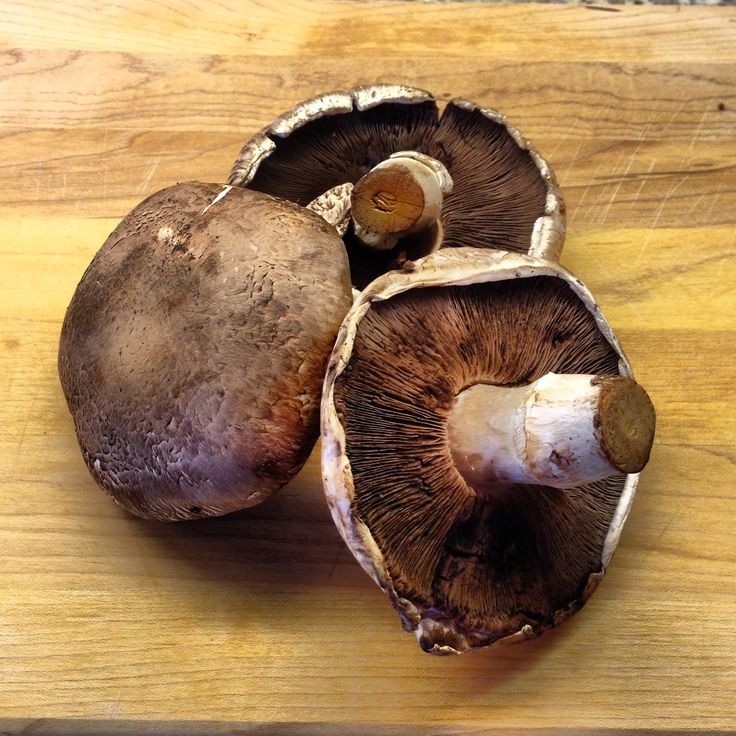
Portobello mushrooms are related to the button mushroom. They are quite large in size and can have caps up to six to eight inches in diameter. Portobello mushrooms contain protein, carbohydrates, fiber, vitamin A, vitamin C, calcium, phosphorus, and iron. They are a chef’s favorite due to their delicate flavor and meaty texture. (I love them with pasta!!)
RECIPES
Pasta with Portobello Mushrooms. Take 8 ounces of portobello mushrooms, 3 cloves of garlic, 2 or 3 thyme sprigs, 1/2 cup of extra virgin olive oil, sea salt and pepper to taste, 1/4 cup of dried porcini mushrooms (optional), 3 cups of tomatoes, peeled, seeded and chopped (canned are fine), 1 pound penne or other cut pasta, freshly grated Parmesan cheese. Trim hard parts from mushrooms and discard. Rinse mushrooms quickly to remove grit; cut caps into slices and stems into small chunks. Combine in a medium skillet with 1 clove of garlic (crushes and peeled), thyme, olive oil and some salt and pepper. Cook over sufficiently low heat so that the mixture bubbles but mushrooms do not brown. Continue to cook, stirring frequently until they are quite shrunken in size and appear firm about 30 minutes. If you are going to use porcinis, soak them in hot water and cover for just a few minutes so that they soften. Set a large pot of water to boil for the pasta and salt it. Mince the remaining garlic. Turn heat under oil to medium and add garlic to the portobellos along with the drained porcinis. Cook, stirring occasionally, until garlic begins to color. Add tomatoes and raise heat to medium high. Cook, stirring occasionally until they break up and become saucy about 15 minutes. Meanwhile cook pasta until it is tender but not mushy. Taste sauce and adjust seasoning if necessary. When pasta is done, toss with sauce, top with Parmesan and serve.
Crispy Portobello Mushrooms. Take 1/2 cup of balsamic vinegar. 2 tablespoons of reduced-sodium soy sauce, 3/4 teaspoon of dry sage, 4 tablespoons of extra virgin olive oil, 1/4 cup of breadcrumbs, 8 portobello mushroom caps (3-4 inches in diameter). Combine vinegar, soy and sage in a small bowl. Place mushroom caps, gill side up, in a large shallow dish, and pour the vinegar mixture into them. Let them marinate for about 10 minutes. Preheat oven to 250 degrees. Place breadcrumbs on a large plate. Make sure the mushrooms are coated on both sides with marinate, dredge them in the breadcrumbs. Heat 1 tablespoon of oil in a large non stick skillet over medium heat. Add 4 mushrooms, gill side down. Place a heavy heatproof plate on top and cook until breadcrumbs are crispy, pressing on the plate periodically to flatten the mushrooms about 4 minutes. Remove the plate and add 1 tablespoon of oil to the pan and turn the mushrooms over. Replace the plate and cook. Pressing once or twice until the breadcrumbs are golden brown and the mushrooms are tender about 4 minutes more. Transfer to a baking sheet and keep warm in the oven. Wipe out the pan and repeat with the remaining 4 mushrooms.
If you want a great twist on baked potatoes….take 4 large potatoes, prick with a fork and bake as you would regularly. In a skillet over medium heat, melt a butter of your choice and in the butter fry some chanterelle mushrooms. (If you do not have fresh ones, you can use dried just soak them in hot water to soften.) Take a couple of scallions and dice them up. Once the chanterelle mushrooms are cooked, open the baked potatoes in half and fill with the mushrooms and scallions and top with low fat sour cream and sea salt and pepper!
Have a wonderful week! Stay safe if you are in snowstorm warning territory! Next week’s post will be “Yummy Yogurt!”
“You become a champion by fighting one more round. When things are tough, you fight one more round.”
 Lemon and Rosemary