Hello Everyone! Thank you for being back and visiting my blog! I do hope the month of May is going well for all of you as we head into the last week and prepare to celebrate Memorial Day! For our house, spring cleaning, garage cleaning, yardwork and flowers are in full swing! Tonight’s post will be part two of our Good Fats discussion.
Omega 3 fatty acids: The essential omega 3 fatty acid, alpha linolenic acid, promotes brain and eye development, is good for arthritis, helps to prevent abnormal heart rhythms, improves immune function, and reduces blood clotting. In addition to alpha linolenic acid, there are two other common omega 3 fatty acids, docosahexanoic acid (DHA) and eicosapentaenoic acid (EPA). Fish are generally considered to be the richest sources of these fatty acids, but the content varies depending upon the species of fish. Cold-water marine (ocean) fish have a higher fat content and thus contain the largest amounts of DHA and EPA. All dark-green leafy vegetables also contain omega 3 fatty acids, as do some plant-derived oils. The vegetable oils that contain the highest amount of omega 3 EFAs include: pumpkinseed oil, flaxseed oil, canola oil, soybean oil, walnut oil. Omega 3 EFAs help to keep blood clots from forming in the arteries and can lower cholesterol levels, reducing the chance of heart problems. They are also known to reduce joint inflammation in people with arthritis, and are good for female disorders and breast disease. The beneficial attributes of these “good” fats are numerous, among them are the following:
They are helpful for all forms of arthritis, including rheumatoid arthritis.
They help to control viral infections.
They reduce blood cholesterol and triglyceride levels.
They lower the risk of heart attack, stroke and hardening of the arteries.
They improve psoriasis.
They improve immune response.
They lower harmful effects of body chemicals called prostaglandins.
They can also reduce the severity of migraine headaches.
They improve brain function.
They improve the functioning of the glandular system.
To add the essential fatty acid ALA to your diet, consume canola, walnut or flaxseed oil daily. It is best to purchase unrefined oils. Keep them in the refrigerator. Do not heat these oils, as heating destroys the nutrients. Instead, use them in salad dressings. Also consume at least one serving of dark-green leafy vegetables daily to meet your omega 3 requirements. Fish and fish oil are probably the best source of DHA and EPA. Fish from cold, deep waters have the highest content of these oils, with Atlantic mackerel, Atlantic herring, salmon, and albacore tuna being among the highest. Rather than using fish oil supplements, consume more fish! 🙂 Marine fish from cold, deep waters are less likely to contain undesirable contaminants than area lake fish. In general, a 4-ounce serving of fish supplies about 1,400 milligrams of omega 3 oils. Three 500-milligram capsules of fish oil supply a total of 1,500 milligrams. Avoid using high doses of cod liver oil as a source of fish oil, since it high content of vitamins A and D can be toxic. Take only 1 teaspoon daily. Do not consume alcoholic beverages if you are taking cod liver oil. If you are a vegetarian and do not want to consume fish or fish oil, add flaxseed oil to your diet. Flaxseed oil has the highest content of the omega 3 ALA (58 percent), about twice as much as fish oil. Flaxseed oil is also less expensive and more stable than fish oil. Adding about 2 tablespoons of flaxseed oil or ground flaxseeds to your diet each day will give you a generous supply of the essential omega 3 fatty acids. Both flaxseeds and flaxseed oil (sometimes also called linseed oil) can be found in health food stores. Keep flaxseeds in a tightly sealed container and grind them just before you use them, as ground flaxseeds become rancid quickly. Omega-Life, Inc, markets a fortified flaxseed product that is very rich in the omega 3s. NOTE: If you are taking blood-thinning medication whether prescription drug or an over the counter agent like aspirin, avoid taking large amounts of omega 3 in supplement form. It may be better to take supplemental EFAs and avoid aspirin, as too much aspirin can have negative side effects. Always discuss any change in medication with your physician first, however.
Omega 6 Fatty Acids. The essential omega 6 fatty acid linoleic acid lowers total blood cholesterol levels as well as levels of low-density lipoprotein (LDL, or “bad”) cholesterol. Omega 6s are obtained from many vegetable oils and they are important, but many scientists feel that the ratio of omega 6 to omega 3 fatty acids is also significant. The human brain and brain tissues of other mammals contain an omega 6 to omega 3 ratio of 1 to 1. In other cells of the body, the ratio is between 3 to 1 of 1 to 1. Because omega 3s are lacking, comparatively, in the fats and oils most commonly used in this country, the typical American consumes these fats in a ratio of 20 to 1 or more. Increasing omega 3 consumption while controlling intake of omega 6s (and also eliminating saturated fat and transfats) is one of the most overlooked steps to optimal health. (Sources of Omega 6: walnuts, safflower oil, tofu, hemp seeds, avocado oil, almonds and cashews).
RECIPES:
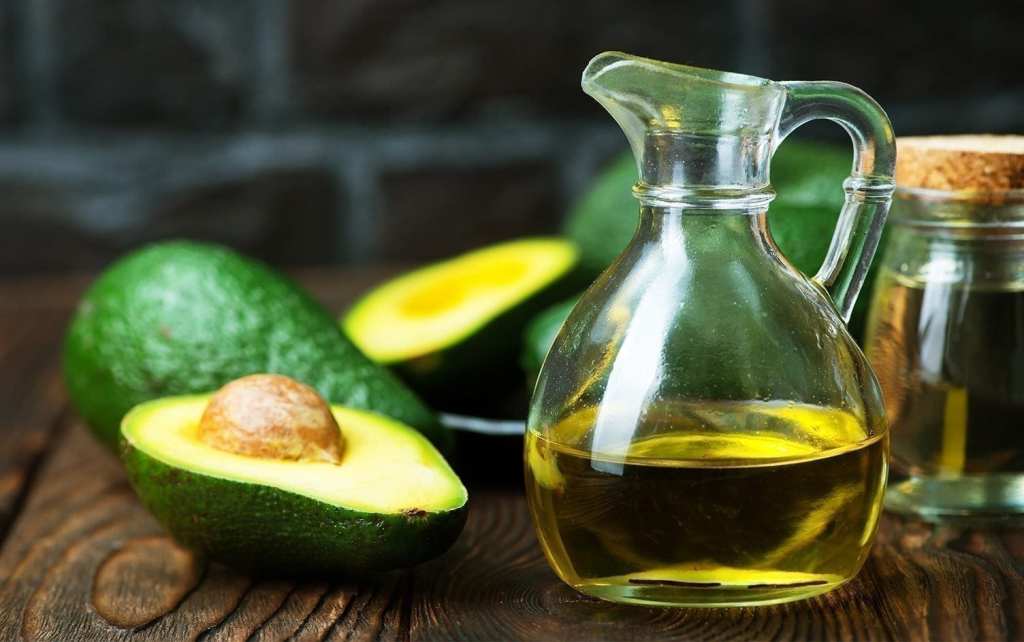
Easy Avocado Oil Mayonnaise Recipe. Take 2 large egg yolks at room temperature, 1 teaspoon lemon juice, 1 teaspoon white wine vinegar, 1/4 teaspoon sea salt, 1/4 teaspoon Dijon mustard, 1 cup of avocado oil. Place the egg yolks, lemon juice, vinegar, salt and mustard in a jar and blend using an immersion blender until combined and slightly thick. This takes about 30 seconds. SLOWLY stream in the avocado oil into the mixture a little at a time while blending continuously using the immersion blender. You may have to move the blender up and down within the jar to incorporate the oil. It should start to thicken immediately. Keep going until you’ve added 1 cup of oil and then give it a good stir with a spatula. It should be VERY thick. Transfer to a lidded container and refrigerate.
Simple Mediterranean Olive Oil Pasta. Take 1 pound thin spaghetti, 1/2 cup of extra virgin olive oil, 4 garlic cloves, crushed, sea salt, 1 cup of chopped fresh parsley, 12 ounce grape tomatoes, halved, 3 scallions (green onions) top trimmed, both whites and greens chopped, 1 teaspoon black pepper, 6 ounces of marinated artichoke hearts, drained, 1/4 cup of pitted olives, halved, 1/4 cup of crumbled feta cheese, more if you like, 10-15 fresh basil leaves, torn, zest of 1 lemon, crushed red pepper flakes optional. Follow package instructions to cook thin spaghetti pasta to al dente. When pasta is almost cooked, heat the extra virgin olive oil in a large cast iron skillet over medium heat. Lower the heat and add garlic and a pinch of sea salt. Cook for 10 seconds, stirring regularly. Stir in the parsley, tomatoes, and chopped scallions. Cook over low heat until just warmed through about 30 seconds or so. When the pasta is ready, remove from heat, drain cooking water and return to its cooking pot. Pour the warmed olive oil sauce in and toss to coat thoroughly. Add black pepper and toss again to coat. Add the remaining ingredients and toss one more time. Serve immediately in pasta bowls. Enjoy!
Have a great weekend everyone! Next week we will go to Part Three of this series. We will discuss sensible alternatives, suggestions for reducing the amount of fat in your diet, and oil do’s and don’ts.
“A calm sea does not make a skilled sailor.”
 Lemon and Rosemary