Greetings everyone! I hope this post finds you enjoying this final week of May. For many, this is the last week of school, some of celebrating the accomplishment of graduation, and we are all looking forward to Memorial Day and the official start of summer! Tonight’s post will be the final installment and Part Three of our discussion about Dietary Fats.
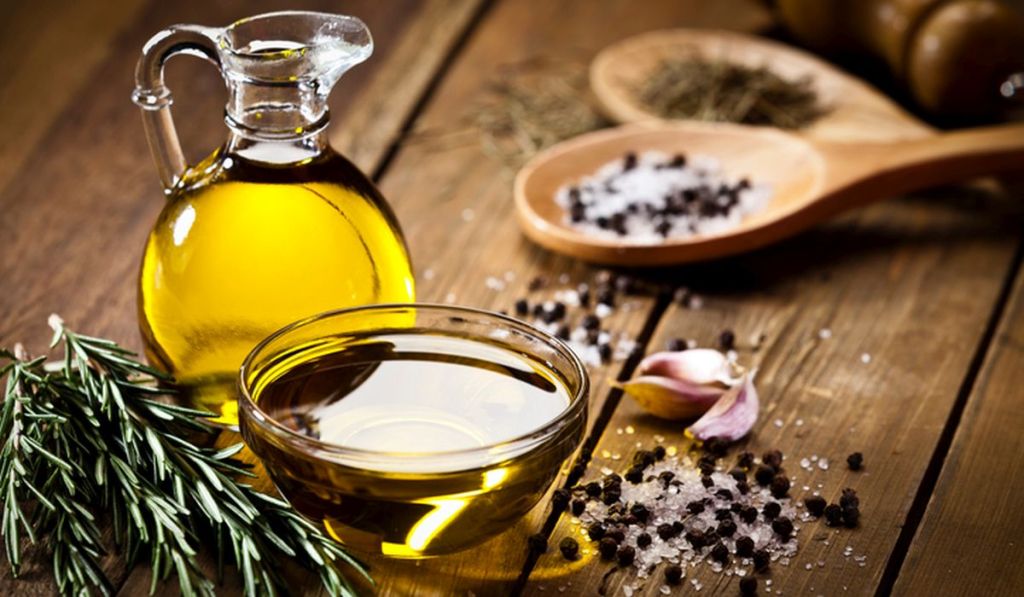
THE BEST OILS: Considering all the information available, and all of the choices we have, which type of oil is the best single source of dietary fat? Virgin olive oil. Olive oil has cholesterol-lowering benefits and helps to control blood pressure and diabetes. Olive oil contains a whopping 74 percent monounsaturated fat, 14 percent saturated fat, and 8 percent polyunsaturated fat. Unrefined olive oil should be kept refrigerated. Olive oil is especially good for salad dressing and herb/oil mixtures, but is not the best oil to dry food with. A study reported in the American Journal of Clinical Nutrition said that eating olive oil lowered levels of harmful LDL’s even more than eating a low-fat diet, without changing the level of beneficial HDL’s. A tablespoon of olive oil contains an average of almost 10 grams of monounsaturated fat. The same amount of monounsaturates can be derived from the following nutritious alternatives:
4 teaspoons unrefined canola oil
1 1/2 tablespoons raw almond butter
1/2 fresh avocado
1/2 cup raw almonds
3 tablespoons raw hazelnuts
2 tablespoons of raw macadamia nuts
1/4 cup of raw pecans
1/2 cup of raw pistachios
Canola is very low in saturated fat and high in monounsaturated fat, which experts believe are superior to polyunsaturated fats for lowering cholesterol. Canola contains 70 percent monounsaturated fat, 30 percent polyunsaturated fat, and 7 percent saturated fat. It contains up to 10 percent of the essential omega-3 fat alpha-linolenic acid, which is important to cell membrane structures and in the synthesis of metabolically active substances like prostaglandins. Prostaglandins are hormonelike substances that regulate some body processes, including blood pressure, immune function and response to allergies.
OIL DO’S AND DON’TS: When choosing and using any types of fats and oils, keep the following tips in mind:
Purchase only unrefined cold or expeller pressed oils.
Avoid hardened (hydrogenated) oils.
Never reuse oil that has been used for frying.
Before opening, store all oils in a cool, dark cupboard.
Refrigerate all oils after opening.
Never consume any oil that smells rancid.
Olive oil maintains a longer shelf life than most oils.
Do not let oils heat to the smoking point.
OTHER SUGGESTIONS FOR REDUCING THE AMOUNT OF FAT IN YOUR DIET:
Use raw apple cider vinegar and oil in place of creamy salad dressings.
Add flavor without fat to baked potatoes using plain yogurt and chives. Or mash tofu with a little low-fat (egg-free) mayonnaise, and add herbs for seasoning.
Replace the oil in most recipes with plain low-fat yogurt.
Substitute turkey for chicken. Skinless turkey contains about one-third less fat than skinless chicken.
For low fat sauces, puree vegetables or use potato flakes as the thickening base. Arrowroot is also a good thickener.
In sauces that call for cream, substitute nonfat dry milk or plain low-fat yogurt. Yogurt can be substituted for sour cream in most recipes.
When making muffins, cornbread, biscuits, etc, use low fat plain yogurt in place of butter or oil. (A tip I use regularly now!)
Use walnuts in place of peanuts.
A final tip we have adopted: use crackers made without oil!
RECIPE:
Apple Cider Vinegar Dressing. Take 1/4 cup of apple cider vinegar. 1 teaspoon of maple syrup. 1 garlic clove, grated. 1/4 teaspoon Dijon mustard. 1/4 teaspoon sea salt. Freshly ground black pepper. 1/4 cup of extra-virgin olive oil. In a small bowl, whisk together the apple cider vinegar, maple syrup, garlic, mustard, salt, and several grinds of pepper. Drizzle in the olive oil while whisking and continue to whisk until the dressing is emulsified. Alternatively, combine everything in a jar with a tight-fitting lid and shake to continue.
Have a safe and healthy and happy Memorial Day! Next week’s post will be all about cholesterol (this was a very interesting one to read about and research!)
“People may hear your words, but they feel your attitude.”
 Lemon and Rosemary
Another very informative and well written post.
LikeLiked by 1 person
Thank you! In doing the reading and prep for this one, it was amazing what I learned and how easy it is to make simple changes! Happy Memorial Day!
LikeLiked by 1 person