Are you stuck in self-doubt? This power-packed video gives practical tools to stop negative self-talk, keep small promises, focus on progress over perfection, and reclaim confidence—fast. Learn how to challenge your inner critic, use past wins as proof, and take consistent micro-actions that build unshakable momentum. Perfect for anyone facing hesitation at work, presentations, interviews, or career growth. Watch, apply one tactic today, and share this with a friend who needs it. If this helped, please like and share the video to support others on their confidence journey.
The glare of the television lights felt hotter than the Seattle summer sun. Patrick Carlisle, his face pale under the harsh illumination, adjusted his tie, the silk a stark contrast to the rough texture of his anxiety. He’d spent weeks preparing for this – the inevitable onslaught of media interviews following the arrests, the public dissection of his involvement in bringing down the Syndicate. But preparation didn’t diminish the tremor in his hands as he faced the camera, the bright lens a cold, judging eye.
The interviewer, a sharp woman with a piercing gaze, began with softball questions, carefully crafted to ease him into the interview. He answered smoothly, his carefully rehearsed responses flowing effortlessly. He spoke of justice, of the importance of accountability, of his unwavering commitment to the city of Seattle. He spoke in measured tones, projecting an image of calm confidence, a steady hand guiding the city through a crisis. But the practiced composure was a thin veneer, barely concealing the turmoil churning beneath the surface.
The questions slowly shifted, becoming more pointed, more probing. The interviewer pressed him on his past actions, the choices he’d made, the moral dilemmas he’d faced in the dark days leading up to the arrests. He’d expected this, prepared for it, yet the reality was far more intense. Each question was a tiny jab, a relentless assault on his carefully constructed image. He felt himself sweating, the collar of his shirt suddenly feeling too tight.
He deflected some questions with carefully worded answers, evading direct responses with practiced diplomacy. He spoke vaguely of “difficult choices” and “moral compromises,” carefully avoiding specifics that could potentially unravel his carefully crafted narrative. He knew the public was hungry for details, for the juicy gossip that would satisfy their appetite for scandal. But he couldn’t afford to give them more ammunition than necessary. The truth, he knew, was far more complex and far more damaging than any carefully constructed narrative could ever hope to encompass. Revealing it all, he felt, would be self-destructive, potentially jeopardizing the delicate balance he’d worked so hard to achieve.
The interview ended, but the scrutiny continued. Newspapers and online forums buzzed with speculation and opinion. Some lauded him as a hero, a man who’d risked everything to expose the truth. Others were more skeptical, questioning his motivations, suggesting his actions were self-serving, fueled by ambition or perhaps even self-preservation. The barrage of accusations stung, each one a poisoned dart piercing his carefully constructed shield of public approval.
The next few days were a blur of public appearances, town hall meetings, and community forums. He stood before throngs of people, their faces a mixture of hope, suspicion, and anger. He answered questions relentlessly, each response carefully weighed, each word chosen with precision. He felt like a marionette, his strings pulled by the demands of public opinion, his words carefully scripted to appease a restless and demanding audience.
One evening, after a particularly grueling town hall meeting, he found himself alone in his sparsely furnished apartment, the city lights a distant, blurry glow through his window. The silence was deafening, amplifying the inner turmoil that had been simmering beneath the surface for weeks. He looked at his reflection in the glass, hardly recognizing the weary, haunted man staring back at him. The public saw a hero, a champion of justice, but he saw a man wrestling with his demons, struggling to reconcile his public persona with the reality of his past actions.
The weight of his secret, the knowledge of the compromises he’d made, threatened to crush him. He’d played a dangerous game, walking a tightrope between morality and ambition, and he had almost fallen. The victory over the Syndicate was bittersweet, achieved at a considerable personal cost. The public saw only the triumph, but he bore the scars of the battle, hidden beneath the veneer of his carefully constructed image.
He spent sleepless nights wrestling with his conscience, haunted by the ghosts of his past decisions. He replayed conversations in his mind, scrutinizing his choices, questioning his motives. He’d made difficult decisions, choices that tested his morals and challenged his integrity. He’d walked a perilous path, balancing the risk of exposure with the desire to bring down the Syndicate. The relief of victory had been quickly replaced by a profound sense of exhaustion, the heavy weight of his secret pressing down on him.
He’d considered confessing everything – revealing the full extent of his involvement, the compromises he’d made, the deals he’d struck in his desperation. He envisioned the headlines, the public outcry, the potential collapse of his career. The thought filled him with dread, yet simultaneously, a sense of liberation. The truth, he realized, was a heavy burden to carry. It weighed him down, affecting his sleep, his appetite, and his overall well-being.
He found himself spending more time alone, avoiding the public eye, seeking solace in the quiet solitude of his apartment. He read books, wrote in a journal, desperately trying to come to terms with his experiences and to find a sense of peace. He knew the scrutiny would continue, that the public’s attention would remain fixed upon him. But he also knew that he couldn’t live with the burden of his secret any longer. The weight of it was threatening to consume him, to tear him apart from the inside out. One rainy afternoon, sitting in a quiet coffee shop, he noticed a young woman watching him, her eyes filled with a mixture of admiration and suspicion. He’d become a public figure, a symbol of hope in a city grappling with corruption. But he wasn’t a hero; he was just a man who’d made some difficult choices, who’d walked a dangerous path in the name of justice. He was a man burdened by secrets, a man struggling to come to terms with his past.
The realization struck him with the force of a physical blow. He couldn’t keep running; he couldn’t keep hiding behind the facade he’d created. He needed to find a way to reconcile his public persona with the reality of his past actions, to find a way to accept himself, scars and all. The road ahead wouldn’t be easy, but he knew, finally, that he needed to start walking it, one uncertain step at a time. The public’s scrutiny was relentless, but perhaps, he thought, with honesty and accountability, he might find a path to redemption.
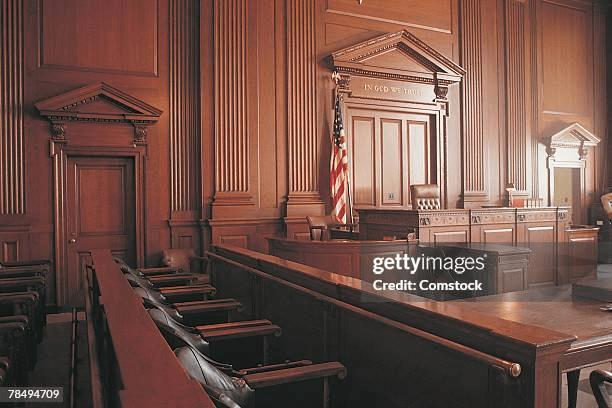
The crisp, sterile air of the courtroom hung heavy, a stark contrast to the humid Seattle air Patrick had grown accustomed to. The mahogany gleamed under the fluorescent lights, reflecting the nervous energy that thrummed through the room. He sat at the defendant’s table, the polished wood a cold, unforgiving surface beneath his hands. His lawyer, Ms. Eleanor Vance, a formidable woman with eyes that missed nothing, leaned in, her whispered reassurances barely audible above the low hum of the courtroom. The charges were serious: obstruction of justice, conspiracy, and abuse of power. The prosecution, led by the ambitious and ruthless District Attorney, Mr. Harold Finch, was determined to make an example of him.
Finch, a man whose ambition far outweighed his scruples, had built his career on prosecuting corrupt officials. This case, however, was different. The Syndicate’s downfall had shaken the foundations of Seattle’s political landscape, and Finch saw Patrick as the key to unlocking further truths, a stepping stone to even greater power. He wasn’t interested in justice; he was interested in headlines and reelection. His opening statement was a masterpiece of calculated aggression, a carefully constructed narrative designed to paint Patrick as a manipulative, power-hungry politician who’d traded his constituents’ safety for personal gain.
The weeks that followed were a blur of legal maneuvering, a relentless chess match between Vance’s defense and Finch’s relentless pursuit of conviction. Each day brought new challenges, new witnesses, new revelations. Vance skillfully dissected Finch’s arguments, exposing inconsistencies, challenging testimony, and presenting a carefully constructed defense that highlighted Patrick’s role in exposing the Syndicate. She portrayed him not as a corrupt official, but as a courageous whistleblower, a man who’d risked everything to bring down a powerful criminal organization. Yet, the prosecution’s evidence, cleverly presented, chipped away at the carefully constructed facade.
The courtroom became a battleground, each session a brutal confrontation of competing narratives. Finch presented evidence of Patrick’s questionable financial dealings, his ambiguous relationships with certain business figures linked to the Syndicate, and the seemingly impossible timeline of his sudden change of heart. He painted a picture of a man drowning in debt, desperately seeking a way out, a man who’d made a Faustian bargain, sacrificing his integrity and the safety of his constituents for the promise of political power and financial security.
Vance countered with testimonies from reformed Syndicate members, individuals who’d cooperated with the investigation, offering a counter-narrative that validated Patrick’s claim of being a reluctant participant. They spoke of Patrick’s initial reluctance, his internal struggles, and the subtle threats and intimidation tactics used by the Syndicate. Their testimonies were crucial, providing crucial context and mitigating Patrick’s actions.
The legal wrangling extended beyond the courtroom, spilling into the backrooms of legal offices. Documents were scrutinized, phone records analyzed, and financial transactions dissected. Each piece of evidence was a potential landmine, a detail that could either strengthen or weaken Patrick’s position. Vance worked tirelessly, poring over documents, interviewing witnesses, strategizing counterarguments, and trying to maintain a semblance of calm amidst the storm. The pressure was immense, the stakes impossibly high.
The case hinged on the interpretation of events, on the subtle nuances of motive and intent. Patrick’s past actions, his financial struggles, and the ambiguous nature of his dealings with the Syndicate members cast a long shadow over his defense. Finch exploited these vulnerabilities, relentlessly attacking his credibility and using the ambiguities against him.
The trial dragged on, each day a testament to the complexities of the legal system and the inherent limitations of justice. The media frenzy intensified, with newspapers and television channels offering daily updates, their narratives varying wildly. Some portrayed Patrick as a hero, a champion of justice, while others painted him as a villain, a corrupt politician who’d narrowly escaped a well-deserved punishment. The public was captivated, divided, and largely unable to ascertain the truth amidst the conflicting information.
The most critical aspect of the case, the potential for leniency or harsher punishment, rested on the concept of ‘substantial assistance’ to the prosecution. Patrick had undeniably played a role in the takedown of the Syndicate, providing valuable information and facilitating arrests. But Finch argued that his cooperation was self-serving, a desperate attempt to mitigate his own culpability. Vance, however, presented a compelling counter-argument, highlighting the risks Patrick had taken, the moral dilemmas he had faced, and the crucial information he’d provided that led to the downfall of the criminal organization. The judge, a stern and impartial woman named Judge Evelyn Reed, wrestled with the complexities of the case, the conflicting testimonies, and the subtle legal distinctions.
The courtroom became a microcosm of the city itself: divided, conflicted, grappling with the truth, and struggling to find a sense of justice in the face of ambiguity. Patrick’s fate hung precariously in the balance, his future and his very freedom uncertain. The weight of the legal proceedings began to wear him down. The constant scrutiny of the media, the harsh glare of the courtroom lights, the relentless attacks from Finch all took their toll. His nights were sleepless, his days filled with a heavy sense of dread.
The final day arrived. The atmosphere in the courtroom was thick with anticipation. Judge Reed delivered her verdict, a measured and considered judgment that seemed to weigh the enormity of the situation. While the charges were serious, the judge recognized Patrick’s substantial contribution to the takedown of the Syndicate. The sentence was less severe than expected, a reflection of his cooperation and the mitigating circumstances. Patrick was found guilty on several lesser charges but was spared a lengthy prison sentence. While a conviction remained on his record, casting a shadow on his political career, the verdict was not the crushing defeat that Finch had hoped for. It was a compromise, a reflection of the ambiguities and complexities of the situation. Patrick walked out of the courtroom, a free man, but irrevocably changed. The legal battles were over, but the personal ones were yet to be won. He faced a long road to redemption, his political career in tatters and his reputation forever tarnished. Yet, as he stepped out into the sunlight, he felt a flicker of hope, a chance for healing and a path toward finding his place once more. The city of Seattle, however, remained divided in its opinion of their former councilman, and his path to redemption was still a long and uncertain one.
This weekend my daughter has asked me to help her sort through a stack of boxes that remained after we moved two years ago and make them go away. There will be no wandering the mall this weekend!
I grew up in a small town in Western New York outside of Buffalo. I remember when it was time to pack up and drive to Pensacola for my first day of college. My mom paid a friend to drive us there. The farthest away from home I had been up to that point in time was a summer camp about two hours away. I will always remember the awe I felt going through the Blue Ridge Mountains, stopping to buy a treat from the Amish near the New York/Pennsylvania border, and seeing palm trees for the first time.










 Lemon and Rosemary