“HIGH FIBER FOODS” (Think of them as a broom for your body!)

Happy Thanksgiving everyone! I do hope this new post finds all of you well and enjoying a special day celebrating the blessings in your life! Due to our family’s hectic work and school schedules, it is not very often we can all gather together at the table and enjoy each other’s company. So today was a special one indeed. Tonight’s post will be about high fiber foods and the importance of having them in our diets, especially entering the holiday season where staying committed to healthy eating can be HARD!

Adding the right type of fiber to the diet can reduce the risks of diabetes, heart disease, and some bowel disorders such as irritable bowel syndrome. Fiber help to lower high blood cholesterol and stabilizes blood sugar levels. It also helps to prevent constipation and hemorrhoids and can assist weight loss by suppressing appetite.

Found only in foods such as whole grains, fruits, vegetables, nuts, seeds and legumes, fiber makes up the components of plant cell walls. There are two basic categories of dietary fiber: soluble and insoluble.

Good sources of soluble fiber include barley, beans and peas, lentils, oat bran, fruits and vegetables.

Good sources of insoluble fiber include whole grains, brown rice, nuts, vegetables and fruits.

Most plants contain some of each form. Both soluble and insoluble fiber are needed in the diet, as they have different health effects. Fiber is further classified as six distinct types: cellulose, hemicellulose, lignin, gums, mucilages, and pectins. All except lignin are complex carbohydrates. Cellulose, lignin, and pectin are further considered to be phytochemicals, substances manufactures in plants that have numerous health benefits.

Humans lack the enzymes and digestive juices needed to break down fiber, so much of it passes through the body without adding energy or calories. Some plant fibers , however, are fermented in the colon by “friendly” bacteria. Fermentation byproducts include certain fatty acids that have anticancer activity and produce energy for the liver and colon. IMPORTANT NOTE: Fiber’s main job is to help the bowels function more efficiently by cleaning the intestines and adding more bulk to stool. ***Without correct bowel movements, toxins can build up and be carried through the body, resulting in a variety of illnesses.

Among foods that will add the greatest amount of useful fiber to your diet are whole grain cereals, and flours, brown rice, all types of bran, apricots, dried prunes, apples and most other fruits. Be careful of oranges! They are highly acidic and can aggravate arthritis. Nuts, seeds, beans, lentils, peas and vegetables (especially beets, broccoli, cabbage, carrots, cauliflower, and dark green leafy vegetables) are also some good sources of fiber. Another great group includes bananas, blueberries, parsnips, raisins, raspberries, spinach, strawberries, and sweet potatoes. A simple way to get more fiber from your food is to increase your intake of raw foods. Eating the skin and membranes of vegetables and fruits ensures that you get every bit of fiber. Cooking may reduce the fiber content of foods by breaking down some fiber into its carbohydrate components. When you do cook vegetables, steam them only until they are tender but firm to the bite.

“An apple a day”….One apple, eaten whole with the skin, has about 3.6 grams of fiber and is a tasty and natural way to assist proper bowel function. Apple pectin can now be purchased in tablet or capsule form and is beneficial for many disorders!

Fiber and probiotics. Fiber can help keep the colon and bowels healthy by stripping them of harmful bacteria. At the same time, however, it removes some of the friendly bacteria in the colon that are necessary for good health. When consuming high fiber foods, add to your diet a source of friendly bacteria or probiotics. They can be found in cultured dairy products, especially yogurt.

RECIPES:

Lentil Soup. (This is very hearty, a great winter dish that is delicious with a wheat or rye bread!) Take 1 onion chopped, 1/4 olive oil, 2 carrots, diced, 2 stalks of celery chopped, 2 gloves of garlic minced, 1 teaspoon dried oregano, 1 bay leaf, 1 teaspoon dried basil, 1 (14.5 ounce) can of crushed tomatoes, 2 cups of dry lentils, 8 cups of water, 1/2 cup of spinach, rinsed and thinly sliced, 2 tablespoons of vinegar, sea salt to taste and ground black pepper to taste. In a large soup pot, heat oil over medium heat. Add the onions, carrots, and celery. Cook and stir until onion is tender. Stir in garlic, bay lead, oregano and basil. Cook for 2 minutes. Stir in lentils, and add water and tomatoes. Bring to a boil. Reduce heat and simmer for at least 1 hour. When ready to serve stir in spinach and cook until it wilts. Stir in vinegar, and season to taste with salt and pepper and more vinegar if desired.

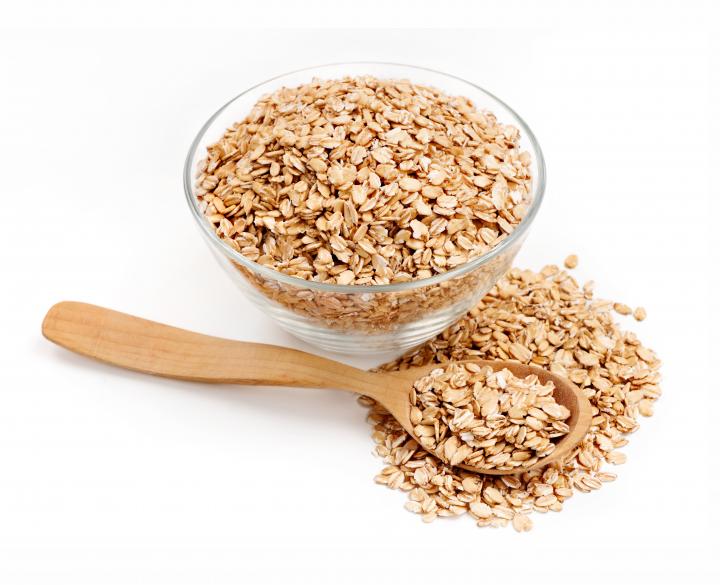
High Fiber Blueberry Oatmeal Breakfast. Take 2 cups of old fashioned rolled oats, 2 cups of water, 1 cup of blueberries, fresh or frozen, 1/2 cup of ground flaxseed, 2 teaspoons of cinnamon, and 1 banana, mashed. Boil water, add rolled oats and turn down heat to low. Mix a few times as the water cooks out and is absorbed. No need to overcook the oats. On a plate, mash up a banana and add your flaxseed and blueberries. Add your oatmeal to your dish and mix in the cinnamon.

Baked Cranberry Oatmeal (Cranberries are one of my FAVORITE items to add to oatmeal. And at this time of year, it gives oatmeal such a holiday feel!) Take 1 1/2 cups of milk, 3 tablespoons of brown sugar, 1 teaspoon of ground cinnamon, 1/4 teaspoon of ground nutmeg, 1/4 teaspoon of ground cloves, 3/4 cup of rolled oats, 1/4 cup of chopped apples, 1/3 cup of dried cranberries, 1/3 cup of chopped walnuts or nuts that you prefer. Preheat oven to 350 degrees. Spray an 8 x 8 baking dish with non-stick spray. Bring milk, brown sugar, cinnamon, nutmeg and cloves to a boil in a saucepan. Remove from heat. Combine oats, apples, dried cranberries, and walnuts in a bowl. Transfer to a prepared baking dish. Pour milk mixture over the oat mixture. Bake in the preheated oven until lightly browned. Approximately 30-35 minutes.

Have a wonderful rest of your Thanksgiving day and a great weekend ahead. Stay safe and I will see you back next time for a 5-part series about Spices and Herbs (Just in time for holiday cooking and baking!!)

“Wonderful Water” and Infused Water Recipes

Happy Friday everyone and welcome to the start of a new weekend! I hope your July 4th was a safe and fun time celebrating our great country!

Tonight’s post will be about “Wonderful Water.” 19th Century writer Henry David Thoreau said that “Water is the only drink for a wise man.” (Coffee may be the exception? 🙂 ) All kidding aside, humans can go without food for thirty to forty days, but without water, life would end in three to five days. Quality water is the best frontline treatment for every physical disorder of any living organism. It is so important to consider where water comes from and its vital contributions to health. I have learned SO MUCH in preparing for this post!

The human body is composed of approximately 70 percent water, with content varying considerably from person to person and from one body part to another. The body’s water supply is responsible for and involved in nearly every physical process, including digestion, absorption, circulation and excretion.

A drop in the body’s water content is reflected as a decline in blood volume. The lowering of the water content in the blood triggers hypothalamus, the brain’s thirst center, to send out the need for water. Some interesting facts: This causes a slight rise in the concentration of sodium in the blood, which quickly triggers a sensation of thirst. People often consume only enough liquid to quench a dry or parched throat but not enough to cover normal water loss. Adults can become dehydrated quickly, as the percentage of water the body reserves drops with age. As we age, our sense of thirst dulls.

It is beneficial to always drink more water than the body craves or needs. You should try to make it a habit to drink water even when you are not feeling thirsty. It is, in fact, vital to health to drink eight or more glasses of quality water each and every day. If this is not a habit for you now, build up slowly. Drink two glasses a day, and increase your intake to help you get up to the habit of eight daily!!

Drinking enough water could probably eliminate many bowel and bladder problems and even the common headache. Toxins builds up in the system, which can cause headaches if not enough water is consumed to flush them out. The bladder also functions better with plenty of water. Drinking a full glass of water has been known to relieve anxiety attacks, heartburn, acid stomach, muscle pain, hot flashes, etc. Flushing the body’s systems with quality can help maintain, heal, rejuvenate, and rehabilitate!

Another interesting read is that chronic fatigue syndrome (CFS), which is on the rise in this country, is just one of the disorders that is believed to be helped by drinking at least eight glasses of water daily. Toxins and chemicals that cause symptoms of muscle aches, headaches, and extreme fatigue, which are very common complaints, can be flushed out by water. Without water, these metabolic waste products and toxins would poison the body.

Excess body fat, poor muscle tone, digestive problems, organ malfunction, joint and muscle soreness, and water retention all may be related to not taking in enough fluids. In fact, in many cases, the way to eliminate fluid retention is to drink more water, as it is a natural diuretic. Proper water intake assists weight loss. If not enough water is consumed, the body cannot metabolize fat, which leads to water retention and weight gain.

There are even more benefits from hydrating the body with water. Consuming water can slow down the aging process. Arthritis, kidney stones, constipation and many other ailments can be prevented and/or improved by consuming quality water. Drinking eight to ten glasses of water daily can make a noticeable difference in a person’s health and quality of life!

****Helpful hint: Grapefruit seed extract is ideal as a safe and simple way to disinfect drinking water when camping, backpacking, traveling to foreign countries or in any emergency situation where safe drinking water is not obtainable and boiling is not possible. Available water should first be filtered (at the least, let suspended water particles settle.) Retain the clear water and add 10 drops of grapefruit seed extract per gallon of water. Shake or stir vigorously and let it sit for a few minutes. You may notice a slightly bitter taste, but this is just the inherent taste of the grapefruit seed extract. It is not harmful. Safe and easy to carry with you, grapefruit seed extract is actually a first-aid remedy with many uses as well!!

INFUSED WATER RECIPES. (I love infused waters, and I especially love mixing one and taking it to work and having it midmorning as I am on my feet and on the go all day.) Personal tip: Amazon is my favorite place to get dried flowers. Here are some favorite blends:

Lemon and Thyme (great for digestion and lemon is very good for the kidneys)

Cucumber, Lime, Strawberry and Mint Leaves

Orange, Star Anise, and Hibiscus (hibiscus is one of my favorite flowers to use in infused water. Tart and refreshing! Combined with orange, this one is a great energy pick me up.)

Watermelon, Honeydew, and Mint

Lime, Ginger Root, and Basil

Cucumber, Mint, and Jalapeno

Lemon, Raspberry, Rosemary

Orange, Blueberry, Basil

Tips: Gather loose herbs and flowers in a tea infuser. Crush ginger and leafy herbs to release flavors and cube fruit!

Have a great start to your weekend!

“EVERY ACCOMPLISHMENT STARTS WITH THE DECISION TO TRY.”

“Fish Tales” (swimming in favorable fats!)

Hello everyone! Happy last week of October and Halloween week. Welcome back. It is good to “see” you here! Tonight we will have a special one blog post all about fish!

In preparing for tonight’s post, I came across several interesting studies and facts. The Inuit people in Greenland, whose diets consist mainly of fatty fish, have less arteriosclerosis and fewer deaths from heart disease than people in the United States. Japanese women, who consume more fish than their American counterparts, have a lower incidence of both heart disease and breast cancer. At the University of Leidi in Holland, researchers studied 852 men who ate 7 to 11 ounces of fish weekly. There was a 50 percent lower death rate from heart disease among those who ate fish compared with those who did not consume any fish. And The Journal of the American Medical Association reported on a study by Brigham and Women’s Hospital that found that eating at least one meal of fish weekly can cut the risk of sudden cardiac death in men in half. Clearly, fish can make a vital contribution to dietary wellness.

There are many different types of fish, some with greater potential health benefits than others. The primary health effects are linked to the level of omega-3 essential fatty acids the fish contain. In general, fish are divided into two categories: saltwater (or marine) fish and freshwater fish.

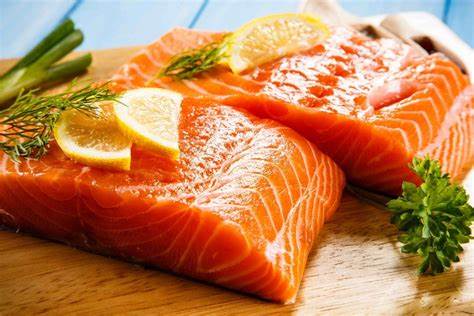
Saltwater fish are caught in marine environments, typically oceans. They are often divided into three categories, depending on fat content. Fatty fish include sardines, mackerel, salmon, smelt, anchovies, mullet and herring. Medium-fat fish include halibut, ocean perch, red snapper, sea trout, and albacore tuna. Low-fat saltwater fish include flounder, haddock, swordfish, cod, shellfish and whiting. All of these fish are among the best to consume, as they contain good fats.

Freshwater fish are caught in lakes, rivers, and streams. They too are divided into groups according to fat content. Fatty fish include lake trout, mullet, smelt, catfish and rainbow trout (my number two favorite next to salmon!!) Medium-fat fish include carp. Low-fat fish include bass, bream, pike, and lake perch.

One concern about freshwater fish is that they may be more subject to certain types of contamination, especially high levels of mercury, depending on where they are caught. If you consume freshwater fish, it is wise to know where it came from and to find about any advisories concerning fish from that area. ****TIP: You can eliminate some of any mercury that may be present by broiling the fish on a rack so that it remains above the juices that run. (Having lived in Minnesota for 20 years, this is how we always cooked fresh fish we caught!)

Some helpful tips for selecting fish: buy only from reputable sources. Be wary of vendors selling fish out of the backs of pickup trucks. Buy only fresh seafood that is refrigerated or properly iced. Don’t buy cooked seafood, such as shrimp, crabs or smoked fish, if they are displayed in the same case as raw fish. Cross-contamination can occur. Don’t buy frozen seafood if the packages are open, torn, or crushed on the edges. Avoid packages that are above the frost line in the store’s freezer. If the package cover is transparent, look for signs of frost or ice crystals. This could mean that the fish has either been stored for a long time or thawed and refrozen. Put seafood on ice, in the fridge, or in the freezer immediately after buying it. When eating fish caught recreationally, follow state and local government advisories about fishing areas and warnings about eating fish from certain areas.

The length of time raw fish can be stored safely depends on the type of fish. Lean fish, such as cod, flounder, and haddock, can be kept in the fridge for one to two days or frozen up to six months. Fatty fish, such as blue perch and salmon, can also be kept in the fridge for one to two days but should be frozen for only two to three months.

RECIPES:

Easy Halibut. Take 4-5 pounds of halibut steaks, sea salt to taste, juice of one lemon, 1 1/2 cups of chopped celery, 1 large onion, chopped, 1 can of tomato soup, 1 cup of plain yogurt, 1 dash of cayenne pepper, slice of thick tomato for each serving, 1 tablespoon of dried chopped parsley (or fresh), 1 dash of garlic powder for each serving. Preheat the oven to 350 degrees. Season steaks with sea salt and lemon juice and place in a shallow baking dish. Mix together the celery, onion, tomato soup, yogurt, and cayenne pepper and pour over the fish. Top each steak with a slice of tomato, a sprinkle of parsley and a dash of garlic powder. Bake until the fish flakes easily when probed with a fork, approximately twenty-five to thirty-five minutes. Do not overcook or the fish will become tough. Serve immediately.

Breaded fish. Take 4-6 fish fillets of your choice (perch, haddock and whitefish are good choices), 1 fresh lemon, cut in half, 1 dash of garlic powder for each serving, 1 dash of sea salt for each serving, 1 – 1 1/2 cups of bread crumbs, 1 sprinkle of dried parsley. Preheat the oven to 350 degrees. Wash the fillets and pat dry. Place them on a platter, squeeze lemon over them, and sprinkle with garlic powder and sea salt. Allow them to sit for a few minutes. Pour bread crumbs into a large plastic bag. Shake the fillets one at a time in the bag until evenly coated. Place the breaded fillets in a well – oiled baking dish and sprinkle them with the dried parsley. Bake for twenty-five minutes to thirty-five minutes, just until the fish flakes easily and the fish looks solid white. Serve immediately as a main dish or this recipe works awesome in a fish sandwich! (I love it with a wheat bun, lettuce, sliced tomato and a little low-fat ranch sauce)

Easy Broiled Fish. Any number of servings of the fish of your choice. 1 dash of garlic powder for each serving, 1 dash of sea salt for each serving, 1 dash of cayenne pepper for each serving, 1/2 teaspoon of olive or vegetable oil for each serving, 1 lemon cut in half, 1 tablespoon tamari for each serving, 1 teaspoon fresh or 1/2 teaspoon dried parsley for each serving. Preheat the broiler. Place the fish on a oiled baking dish. Season with garlic powder, sea salt, and cayenne pepper. Dot with the oil. Squeeze lemon juice over the fish and sprinkle the tamari on top. Broil for ten minutes. Baste the fish with juices from the bottom of the baking dish. Broil another five minutes or until the fish is solid white and flakes easily with a fork. Baste once. Sprinkle with parsley and serve immediately. This broiled fish recipe is wonderful over a steamed rice of your choice or with steamed vegetables of your choice!

I hope you all have a great Friday and weekend. Please continue to stay safe and well! Enjoy tonight’s post. Next week we will chat about water!

“EVERY ACCOMPLISHMENT STARTS WITH THE DECISION TO TRY.”

“All About Nuts & Seeds” Part Three (Pistachios, Pumpkin Seeds, Sesame and Sunflower)

Hello Everyone! Lo and behold, it is Wednesday once again! I hope the week has been safe, healthy and productive so far! Some of you may have seen snow already! It is forecast here this weekend and will be a welcome sight to put out the wildfires that have troubled our beautiful state.

Thanks for being back. Tonight we are on the final installment of our “All About Nuts and Seeds” series. I have a bonus recipe added to the post tonight as well!

Pistachios have a sweet, mild flavor. Foreign pistachios are often dyed red to make them more appealing and to hide imperfections created during the roasting process. Pistachios from the United States, introduced in 1976, and now primarily from California, are most often undyed and sold in their natural tan shell. One of the highest sources of potassium of all nuts, pistachios are a great snack and a welcome addition to ice cream and other desserts. Key nutrients in pistachios include protein, fiber, calcium, iron, magnesium, phosphorus, potassium, sodium, zinc, copper, manganese, selenium, vitamin C, vitamin B, folate and vitamin E.

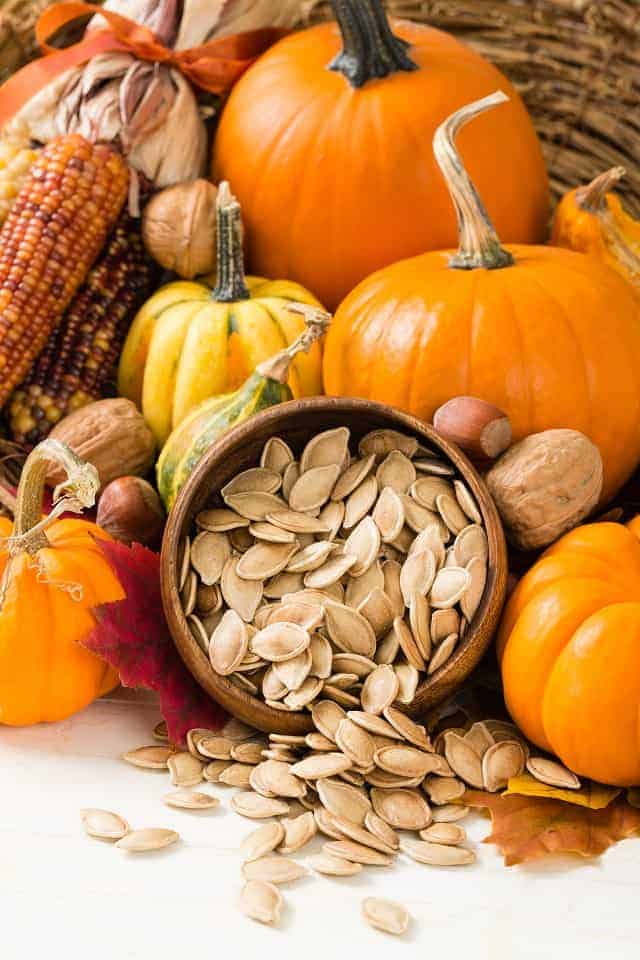
Pumpkin seeds actually contain more iron that liver by weight! Pumpkin seeds are an excellent source of essential fatty acids that promote good prostaglandin production. Pumpkin seeds are also a popular herbal remedy that can be used as a mild laxative with additional diuretic action. Key nutrients in pumpkin seeds include protein, fiber, calcium, iron, magnesium, phosphorus, potassium, sodium, zinc, copper, manganese, selenium, vitamin C, folate, vitamin A, and vitamin E.

Sesame seeds are tiny oval seeds and grow on a tall annual plant. They are basic to many of the world’s cuisines, including those of Africa, China and India. They can be purchased hulled or unhulled. The unhulled ones are darker in color, have the bran intact and are a good source of calcium, iron, and phosphorus. Sesame seeds are often used on breads and buns. By weight, sesame seeds actually have a higher iron content than liver. Key nutrients include protein, fiber, calcium, iron, magnesium, phosphorus, potassium, sodium, zinc, copper, selenium, vitamin C, vitamin B, folate, vitamin A, and vitamin E. They are high in monounsaturated fatty acids and contain both essential and nonessential amino acids.

An interesting fact I came upon in my reading for this post….historical references dating back to 1744, thirty two years before the American Revolution, indicate that sunflower seeds had already been discovered as a tasty treat in Colonial times. Originally thought of as a delicacy for the wealthy, sunflower seeds today enjoy a universal appeal and are widely accepted as a delicious nutritious snack food. The crisp, crunchy kernel brings an extra spark of interest to any dish and is a trendy addition to salads, breakfast cereals, and baked goods. Sunflower kernels have a unique flavor, somewhat nutty. Sunflower kernels are higher than any other nut or seed products in the antioxidant phytochemical tocopherol, which may help to protect against cardiovascular disease. Sunflower kernel oil is a healthy alternative to cooking oil or salad oil. Key nutrients in sunflower seeds include protein, fiber, calcium, iron, magnesium, phosphorus, potassium, sodium, zinc, copper, selenium, vitamin C, folate, vitamin A, and vitamin E. They are high in polyunsaturated fatty acids, and contain essential and nonessential amino acids. Phytochemicals include choline, betaine, lignan and phenolic acids.

RECIPES:

Vegan Pistachio Pesto. Take 2 cups fresh basil, 1/3 cup of pistachios, shelled, 1/2 cup extra virgin olive oil, 3 cloves garlic, 1 teaspoon lemon juice, and sea salt and pepper to taste. Add all ingredients, except the salt and pepper, to a food processor and blend to desired consistency. Add sea salt and pepper to taste. (This is wonderful mixed with hot pasta, as a spread on sandwiches, or a dip for breads)

Vegan “Cheesy” Pumpkin Seeds. Take 2 tablespoons of extra virgin olive oil, 2 teaspoons nutritional yeast, 1 teaspoon onion powder, 1/2 teaspoon sea salt, and 2 cups of fresh pumpkin seeds. Preheat the oven to 300 degrees. Combine oil, nutritional yeast, onion powder, and salt in a medium bowl. Add pumpkin seeds and toss to coat. Spread evenly on a rimmed baking sheet. Bake the seeds stirring occasionally, until dry and toasted, 40 minutes to 1 hour. (Notes: this is a timely recipe as pumpkin-carving season begins…the seeds work well for this recipe. Also, butternut squash seeds work great too. To get the seeds recipe ready, place them in a bowl of warm water. The seeds float to the top, making them easier to separate from the threads. Drain and pat with a towel to dry well.) After making this recipe, store the seeds in an airtight container for up to 3 days.

Green Lentil Salad. Take 1 1/2 cups of green lentils, rinsed, 3/4 teaspoon of kosher salt, divided plus more, 1 1/3 cups of plain Greek yogurt, 2 garlic cloves finely chopped, 1/2 teaspoon ground turmeric, freshly ground black pepper, 1 cup of unsalted roasted sunflower seeds, 1 tablespoon, plus 1 1/2 teaspoon of lemon juice, 3 tablespoons of extra virgin olive oil, plus more for drizzling, 1 ripe avocado, cut into cubes, 1 cup of baby arugula, and 1 cup of basil leaves, torn up if large. Cook lentils in a large saucepan of simmering salted water until they are tender but still retain their shape about 20-30 minutes. Drain and rinse under cold water, and drain well again. Mix yogurt, garlic, turmeric, 1/4 teaspoon salt, and a generous grind of black pepper in a small bowl to combine. Set aside. Toss lentils, sunflower seeds, lemon juice, 3 tablespoons of oil, and remaining 1/2 teaspoon of salt in a large bowl. Gently fold in avocado, arugula and basil. Spread reserved yogurt sauce across a platter and spoon lentil mixture on top. Drizzle with oil.

Pumpkin Spice Maple Sunflower Seeds. Take 1 tablespoon of maple syrup, 1 teaspoon of pumpkin spice, 1 teaspoon of ground cinnamon, 1 teaspoon of melted coconut oil, pinch of sea salt, and 1 cup of roasted sunflower seeds. Preheat the oven to 400 degrees. In a bowl, combine the maple syrup, pumpkin spice, ground cinnamon, melted coconut oil, and pinch of salt. Add 1 cup of sunflower seeds and stir well. Place foil on the baking sheet and spray lightly with coconut oil. Add the sunflower seeds and spread out into a thin layer. Bake for 5 minutes. Allow to cool completely before enjoying!!

Have a great rest of your week everyone! Next week we will start a new series “Fish Tales.” 🙂 exploring the health benefits and favorable fats in fish!

“NEVER LOOK DOWN ON ANYBODY UNLESS YOU ARE HELPING THEM UP.”

“All About Nuts & Seeds” Part Two (Flaxseeds, peanuts, pecans, walnuts)

Welcome back everyone to another Wednesday post! Whew! Is it just me or is your October flying by quickly too? It has been a beautiful, windy, crisp fall day here and it is nice to have the smell of changing leaves and burning wood in the air! Thanks for being here tonight. We are on to Part Two of our Nuts and Seeds series and we feature 4 different ones!

Flaxseeds are a nutty-flavored seed and taste great sprinkled on cereal, yogurt, in soups and on salads. Flaxseed flour and ground flaxseed can be added to breads, muffins, cookies, and other baked goods. The oil of flaxseed is the richest source of omega-3 linolenic acid, the type of essential fatty acid most deficient in the American diet. Flaxseeds can also be brewed into tea and have also been used as a poultice to treat abscesses and other skin sores. People also use flaxseed oil to their diet to lower cholesterol. Key nutrients in flaxseeds include protein, fiber, calcium, iron, magnesium, phosphorus, potassium, sodium, zinc, copper, selenium, vitamin C, vitamin B, folate and vitamin E. They are one of the richest sources of polyunsaturated fatty acids and also contain essential amino acids.

Peanuts, though technically a legume, are usually thought of as nuts! They are a complete protein and have been recently found to contain resveratrol (a phytonutrient found in red wine thought to help reduce heart disease). Key nutrients include protein, fiber, calcium, iron, magnesium, phosphorus, potassium, sodium, zinc, copper, selenium, vitamin C, vitamin B, folate and vitamin E. They are high in monounsaturated and polyunsaturated fatty acids and contain essential amino acids and the nonessential amino acids glutamic acid and serine. Word of caution: many people are allergic to peanuts and peanut allergies can be quite severe and even life-threatening. Studies now show that the incidence of peanut allergies and sensitivities is higher among people who were given peanut butter before the age of three. For that reason, it is considered wise to avoid giving any peanut products to a child younger than three.

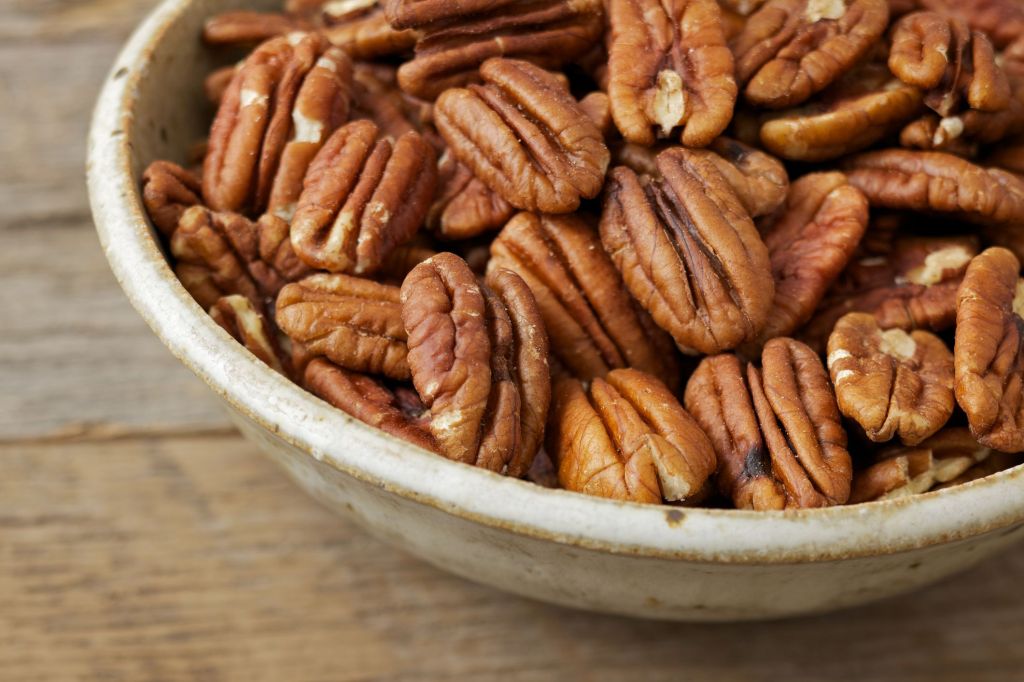
Pecans are a native North American member of the hickory family and are high in potassium and vitamin A. (My personal second favorite nut behind cashews! 🙂 ) Rich in essential fats, pecans are good for baking and are a popular ingredient in candy. Studies have shown that pecans can help to lower LDL or “bad” cholesterol. Key nutrients in pecans include protein, fiber, calcium, iron, magnesium, phosphorus, potassium, sodium, zinc, copper, manganese, selenium, vitamin C, vitamin B, pantothenic acid, folate and vitamin E. They contain essential amino acids and phytochemicals including beta-carotene.

Shelled walnuts are absolutely delicious in baked goods, sprinkled on salads, and as a topping on many desserts. The oil from walnuts is high in polyunsaturated fatty acids and tends to lower blood cholesterol. Walnut oil is used in cooking and is high in potassium, phosphorus, magnesium, and vitamin A. Key nutrients in walnuts include protein, fiber, calcium, iron, magnesium, potassium, sodium, zinc, copper, selenium, vitamin C, vitamin B, vitamin A, folate, vitamin E. They also contain alpha-linolenic acid, gamma-tocopherol, and beta-carotene.

RECIPES:

Currant Nut Dessert. (This dessert is high in the essential fatty acids found in walnuts and pecans!) Take 1 cup of plain yogurt, 1/4 cup of currants or raisins if preferred, 1/4 cup of chopped raw walnuts or pecans, 1 pinch of cinnamon, 1 teaspoon of vanilla and 1 dash of barley malt sweetener (optional). Mix ingredients together in a serving bowl and chill.

Blueberry-Oat Flax Muffins. (These are very freezer friendly when you need an on-the-go breakfast or healthy afternoon snack!) Tale 1/3 cup of mashed bananas, 3/4 cup of pure maple syrup, 3 tablespoons of coconut oil unrefined and melted, 1/2 cup of nut milk of choice (such as almond or cashew), 3 tablespoons of apple cider vinegar, 1 teaspoon of vanilla, 3/4 cup plus 1 tablespoon of oat flour, 3/4 cup of almond flour, 1 cup of tapioca flour, 1 cup of whole ground flaxseed meal, 3 tablespoons of baking powder, 1/4 teaspoon of baking soda, 1/2 teaspoon sea salt, and 1/2 cup of fresh or frozen blueberries. In a medium mixing bowl, mash the banana until smooth and there are no little chunks left. Stir in the maple syrup, coconut oil, nut milk, vinegar and vanilla. Whisk thoroughly to incorporate and create an emulsion. If the coconut oil solidifies, gently warm the mixture 10 seconds at a time in the microwave until melted again. Set aside. Scoop one tablespoon of oat flour and set aside. Into the wet ingredients, add the oat flour, almond flour, tapioca flour, flaxseeds, baking powder, baking soda, and salt. Whisk thoroughly for at least a minute ensuring no clumps remain. The batter will be thin and you’ll notice bubbles right away from the leavening. Lay a dry tea towel over the top of the bowl and rest the mixture at room temperature for 30 minutes (do not skip this part). The batter will thicken as it sets. While the batter is resting, preheat the oven to 375 degrees. Set the oven rack in the center and line a muffin pan with liners. I use the aluminum style sprayed with non stick cooking spray. Just before adding the batter to the muffin cups, in a small bowl, mix the blueberries with one tablespoon of oat flour set aside earlier. Spoon the blueberries and any remaining oat flour into the batter and gently fold the blueberries into the mixture. Scoop batter into each of the muffin cups evenly. Add a few more fresh blueberries each to the tops of the muffins and gently nudge them down into the batter. (A fun extra variation: sprinkle whole rolled oats on the top). Bake at 375 degrees for 30-32 minutes or until golden on top and tops spring back under gentle pressure. Rest in the pan for 10 minutes then remove muffins from pan onto a cooling rack to cool completely. They can be stored in a container for up to 3 days. Or they can be put in a container and frozen for up to two weeks. Thaw at room temperature!

Savory Spiced Pecan Energy Bites. Take 1/2 cup of pecan pieces, 3/4 cup of rolled oats, 1/2 teaspoon sea salt, 1/2 teaspoon of cumin, 1/2 teaspoon of garlic powder, 1/4 teaspoon of paprika, 2 tablespoons of tahini, 1 tablespoon of honey, and 1/2 tablespoon of Dijon mustard. In a food processor, pulse the oats and pecans until it becomes a fine, almost flour-like consistency. Then add the salt, cumin, garlic powder, paprika, tahini. honey and Dijon mustard. Pulse until all ingredients are thoroughly combined. Using a 1 tablespoon measuring spoon scoop out the mixture and shape into a ball. Shaping will avoid having the mixture crumble. Repeat with the remaining mixture. Store in the refrigerator.

Fruit Kabobs with Yogurt and Pecans. (This is a great healthy kid-friendly recipe as well.) Take 1/2 cup of pecans, finely chopped, 8 skewers, 2 cups of watermelon cubed, 2 cups of canteloupe cubed, 2 cups of strawberries, halved, 2 medium kiwis, peeled and cut into slices then crescents, 1 large banana, peeled and cut into 1/2 inch slices, 1 cup of plain low-fat yogurt. Thread the cut fruit onto skewers in whatever color arrangement you like. Place the yogurt and pecans in two small bowls. Dip the kabobs in yogurt and pecans and enjoy! Feel free to mix and match your favorite fruit such as grapes or pineapple and nuts!)

Have a fabulous rest of your week everyone! Be sure to be back next week as we finish up this series with pistachios, pumpkin seeds, sesame and sunflower seeds! Stay safe and well!

“UNEXPECTED KINDNESS IS THE MOST POWERFUL, LEAST COSTLY, AND MOST UNDERRATED AGENT OF HUMAN CHANGE.”

“All About Nuts & Seeds” Part One (Cashews, Chia and Chestnuts!)

Hi everyone! Happy Wednesday and welcome back! I trust you are enjoying the change of seasons and staying safe and well! Tonight we move into Part One of the series “All About Nuts & Seeds”! Before we begin, I wanted to say thank you for the great interest in last week’s post that was the intro to this series! I had some neat conversations with some of you. One I wanted to share comes from a fellow blogger “Optimal Health” about Macadamia Nuts. “I agree that nuts and seeds confer significant health benefits. For instance, macadamia nuts have the highest content of monounsaturated fats when compared to other types of nuts. The high content of monounsaturated fats can be very beneficial when it comes to improving heart health and reducing the risk of developing cardiovascular disease.” Since I will not cover macadamia nuts, I thought this was a wonderful tidbit and they gave me permission to pass onto you all! Take time to stop by their blog at https://optimalhealth62214175.wordpress.com!

Tonight we will feature cashews, chestnuts and chia seeds!

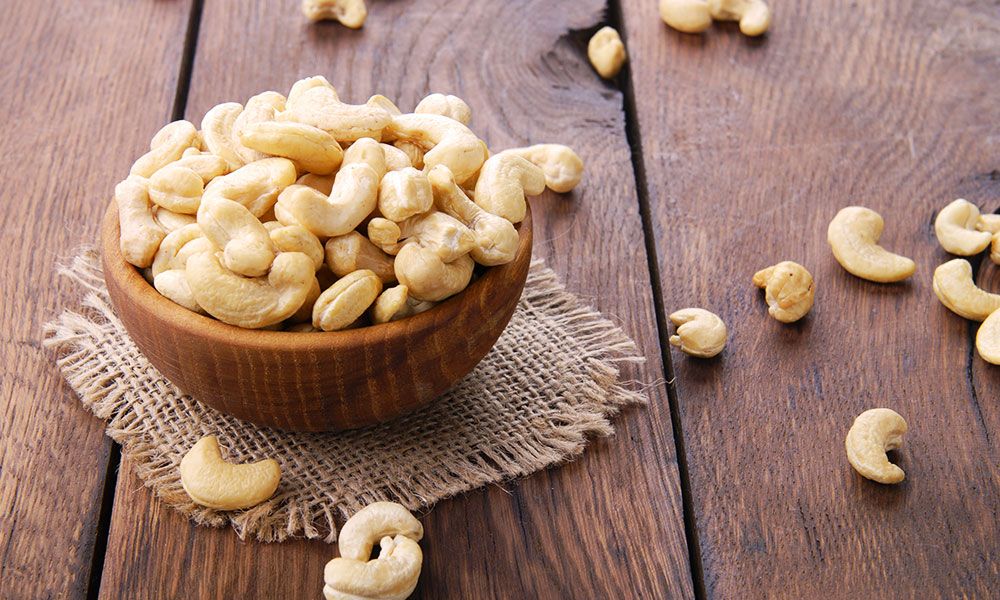
Cashews are grown primarily in India and they are high in iron, potassium, magnesium, vitamin A and fat (and my favorite nut to eat!) Something interesting I learned in my Natural Health Consultant studies is that the shell of this plant, a relative of sumac and poison ivy, contains a caustic, toxic resin that can blister human skin, so cashews are available in the consumer marketplace shelled. A one-ounce serving contains 7.7 grams of monounsaturated fatty acids, 2.2 grams of polyunsaturated fatty acids, and only 2.5 grams of saturated fat. The distinctive flavor of the cashew is a robust addition to main dishes, vegetables, bread and dessert recipes. Key nutrients in cashews include protein, fiber, calcium, iron, magnesium, phosphorus, potassium, sodium, zinc, copper, selenium, vitamin B, niacin, folate and vitamin E. They are high in monounsaturated fatty acids, and contain essential amino acids.

Chestnuts are good raw, boiled, and roasted. The European chestnut is lowest in fat content of any nut. Not to be confused with the Chinese water chestnut, which is a tuber of a marsh plant, chestnuts are a good source of vitamin B, vitamin C, and folate. They are a low-fat nut snack that can provide distinctive flavor and texture in cooking or salad preparation. Flour made from chestnuts is used to make bread in Italy. Key nutrients in chestnuts include protein, fiber, calcium, iron, magnesium, phosphorus, potassium, sodium, zinc, copper, manganese, selenium, vitamin C, riboflavin, niacin, folate, vitamin E, and serine.

Chia seeds have a history as a nutritious flavoring for soups and beverages. They were used by ancient mountain and desert-dwelling Native American civilizations. The Aztecs used carbohydrate-rich chia seeds as an energy booster. The tiny black seeds are also high in protein and may be sprinkled on foods whole or ground in a blender. The two varieties of chia, native to California and Mexico, respectively, add flavor and nutrients to cottage cheese, sandwiches, soups and salads. Adding chia to protein or fiber drinks can help stimulate bowel function. Key nutrients in chia seeds include protein, fiber, calcium, iron, magnesium, phosphorus, sodium, zinc, copper, selenium, vitamin C, vitamin A, folate, vitamin E, amino acids, ferulic acid, serine, vanillic acid.

RECIPES:

Vegan Cashew Alfredo Sauce. Take 1 cup of raw, unsalted cashews, 1 1/2 cups of water, 1 cup of unsweetened almond milk, 1/4 cup of water or as needed, 2 tablespoons minced fresh garlic, 2 tablespoons nutritional yeast, 1 tablespoon of lemon juice, 1 teaspoon of sea salt, and 1 teaspoon ground black pepper. Soak cashews in 1 1/2 cups of water until softened in a bowl, as least 20 minutes. Drain water, add almond milk. Blend mixture in an electric blender or food processor until smooth, 30 seconds to 1 minute. Add water until sauce is slightly thinner than you want it for the final product, as it thickens when heated. Add garlic, nutritional yeast, lemon juice, salt and pepper. Blend until smooth. Pour mixture into a saucepan. Heat on medium-low heat, stirring occasionally until heated through and desired thickness is achieved, about 5 minutes. You can add additional water or almond milk if sauce becomes too thick. (Variation: Soy milk can be used instead of almond milk! )

Coconut Chia Protein Pancakes.

  • 1⁄4 cup gluten free all purpose flour
  • 2 tablespoons coconut flour
  • 3 tablespoons vanilla whey protein powder
  • 1⁄2 teaspoon baking powder
  • pinch of sea salt
  • 1 tablespoon chia seeds
  • 1 tablespoon coconut flakes
  • 1 egg
  • 4 tablespoons almond milk
  1. Combine all the dry ingredients in a bowl. Then add wet ingredients and stir together.
  2. Heat a pan and coat with coconut oil. Pour 2 tbsp of batter to form each pancake.
  3. Cook a few minutes. Once it starts to bubble on top, flip and cook an additional minute or two.

Raspberry Banana Chia Smoothie. Take 1 cup of vanilla or chocolate flavored non-dairy milk, 1 tablespoon of chia seeds, 1/4 cup of frozen raspberries, 1 frozen banana half, and a sugar-free sweetener of choice to taste if desired. Combine milk and chia seeds in a blender. Let sit for 5 minutes. Add raspberries and banana half and blend until smooth. Taste and add sweetener if desired.

Enjoy tonight’s post! Have a safe and wonderful rest of your week. Next Wednesday will be part two of this series all about flax seeds, peanuts, pecans and walnuts!

“CHANGE IS INEVITABLE BUT PERSONAL GROWTH IS A CHOICE.”

“All About Nuts & Seeds” Introduction & More

“Every oak tree started out as a couple of nuts that decided to stand their ground.” -unknown

Hi Everyone! Welcome to fall, the start of a new season and also the start of a brand new month! I hope you are enjoying the change in colors and hopefully cooler evenings! I trust your week is going well. Thanks for being back! Tonight we start a new series “All About Nuts & Seeds.”

Moderate use of nuts and seeds in the diet can add variety and nutrition and supply good plant-derived fats with no cholesterol. The fatty acids nuts contain are high in beneficial monounsaturated and polyunsaturated fats, which form part of the molecules that move cholesterol through the bloodstream. NOTE: they should still be eaten in moderation due to their high caloric content. Butters made from nuts are very close in nutritive value and fat content to whole nuts, so you should use nut butters also in moderation. Nuts and seeds are often thought of as snack foods, to be eaten on handful at a time. It is easier to monitor the amount eaten (and the fat intake) if you use them instead as a food and incorporate them into meals. You can eat nuts and seeds without thawing, cooking, or seasoning and even at times, without silverware!!! A recommended serving of nuts is 1/4 cup. Nuts are an excellent source of protein, fiber, vitamin E, magnesium, zinc, copper, selenium, potassium, phosphorus, riboflavin, biotin, and iron, as well as “good” fat.

Seeds, which also add a concentrated burst of flavor to meals and breads, are making a comeback in trendy restaurants and on vegetarian menus. It is not unusual to see a sprinkling of sunflower, coriander, poppy, fennel, sesame, mustard, pumpkin, or cumin seeds on hot and cold salads, in baked goods, and in main dishes. The oils of the seeds can be used in sauces, salad dressing, and baked goods, and to season meat and fish, although heating, alters the chemical structure and makes it harder for the body to use the nutrition. Raw seeds are most flavorful when simply toasted in a dry skillet, over low heat until they color slightly. Many seeds can also be sprouted, and this live food is a superior form of nutrition.

With SO MANY nuts and seeds to choose from, everyone should be able to find some kinds of either to give a pleasing flavor and texture to just about any meal.

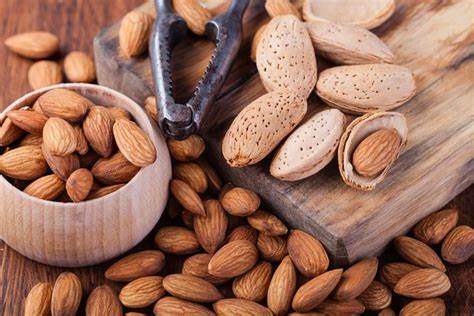
Almonds are called the king of nuts because they are high in calcium, potassium, magnesium, phosphorus, folic acid, and protein. They are higher in calcium and fiber than any other nut. Almond oil is good for the skin and almond butter is nutritious. Key nutrients in almonds include protein, fiber, calcium, iron, magnesium, potassium, sodium, zinc, copper, folate, manganese, selenium, vitamin C, and vitamin E.

Brazil nuts are gathered from trees in the Amazon basin of Brazil, this is the only variety of nut that is not cultivated. Brazil nuts are a good source of calcium, phosphorus, and vitamin B, and are among the riches sources of selenium, a vital mineral lacking in most U.S. soils and therefore in most food grown in this country. A one-ounce serving of Brazil nuts (six to eight kernels) contains over 800 milligrams, more than ten times the recommended dietary allowance (RDA) of selenium, which is 40 to 75 micrograms. These nuts have strong antioxidant properties as well! Key nutrients include protein, fiber, calcium, iron, magnesium, copper, zinc, vitamin C, folate and vitamin E.

RECIPES:

Tamari Roasted Almonds. Take 2 cups of raw almonds, 1/8 cup of low sodium tamari, and 1 splash of toasted sesame oil. Preheat the oven to 300 degrees. Measure out 2 cups of raw almonds. Lay almonds over a baking sheet and place in the oven for 10 minutes. Remove from the oven. turn the almonds over. Place in the oven for another 10 minutes. Stop and check on the almonds every few minutes, especially if your oven runs hot. Cut one or two almonds in half to see if they are still white inside. Return to the oven until golden brown on the inside. Pour almonds into a bowl. Pour tamari over them. It should steam or sizzle as you stir. Continue to stir the almonds until all of the tamari has coated the almonds and the liquid has evaporated. Then drizzle in some toasted sesame oil and stir. Turn off the oven. Distribute the coated almonds on the pan and return to the oven to dry for 10 minutes. Remove when dry. Can be stored in a container for up to 3 days.

Raw Almond Parmesan. Take 1 cup of raw almonds (either with the skins or without). 2 tablespoons of nutritional yeast, 1 teaspoon of garlic powder, 1/2 teaspoon or so of mineral or sea salt. Place all ingredients in food processor or blender and process until your desired consistency. That’s it!!! Sprinkle on soups, pasta, salads, pizzas, etc. (I love it on fish and salmon.)

Homemade Granola. (Dry ingredients) Take 2 cups of old fashioned rolled oats, 1/2 cup of oat flour, 2 tablespoons of flaxseed meal, 2 tablespoons of white sesame seeds, 3/4 cup of sliced raw almonds, 3/4 cup of raw pecans halves, 3/4 cup of raw cashews, 2 teaspoons of ground cinnamon, 1/2 teaspoon of sea salt. (Wet ingredients) 1/4 cup of coconut oil, 1/3 cup of pure maple syrup, 1 teaspoon of vanilla extract, 1/2 cup of packed dates chopped, and 1/2 cup of golden raisins. Preheat the oven to 300 degrees. Line a large baking sheet with parchment paper. In a large bowl, whisk together the oats, oat flour, flaxseed meal, sesame seeds, almonds, pecans, cashews, cinnamon, and salt. Add coconut oil, maple syrup, and vanilla extract to a small saucepan and place over low heat, stirring frequently until coconut oil is completely melted. Pour over dry ingredients and mix well until oats are completed coated. Next spread the granola evenly in the baking pan and bake for 20 minutes. After 20 minutes stir granola, and bake 15-20 minutes or until granola is just slightly golden brown. Remove from the oven and allow the granola to cool completely on the baking sheet so that little clumps stay intact. Once cooled, stir in chopped dates and raisins. Transfer to an airtight container or large glass jar. It can be stored up to 7 days. (This makes about 18 servings.)

Next week it is on to Part One that will feature cashews, chestnuts and chia seeds. Have a fabulous rest of your week everyone! Stay safe and well!

“SOMETIMES WE ARE TESTED NOT TO SHOW OUR WEAKNESSES, BUT TO DISCOVER OUR STRENGTHS.”

“Beautiful Beans” Part Three (Lentils, Lima, Navy, Pinto and Soybeans)

Hi Everyone and welcome to Thanksgiving week! I hope your week has been a good one and you have wonderful plans for the holiday ahead. Tonight’s post will conclude our series on “Beautiful Beans” along with some new recipes as well and features Lentils, Lima, Navy and Soybeans!

The lentil belongs to the pea family. This tiny, disk-shaped legume comes in a rainbow of colors, though, red, brown, and green lentils are the most common in the United States. A principal food during ancient times and a favorite in Middle Eastern, Indian, and North African cooking, lentils have a delicate flavor and creamy texture. They do not need presoaking and cook quickly. Because they become quite soft after cooking, they make excellent bases for purees and soups. Also use them cold in salads or cook them with other vegetables. Lentils are a wonderful crunchy addition to salads when sprouted. Key nutrients in lentils include protein, fiber, potassium, folate, phosphorus, magnesium, manganese, vitamin B, iron, copper, vitamin A, calcium.

Lima beans are flat beans grown in two sizes: baby limas and large limas. Both are wite and creamy-textured. Baby limas are smaller and milder. The starchy, meaty texture of the lima adds substance to soups, casseroles, chowders, salads, and succotash. Key nutrients in lima beans include protein, fiber, potassium, phosphorus, magnesium, calcium, iron, zinc, vitamin C, folate, vitamin B, and small amounts of lipids and beta-carotene.

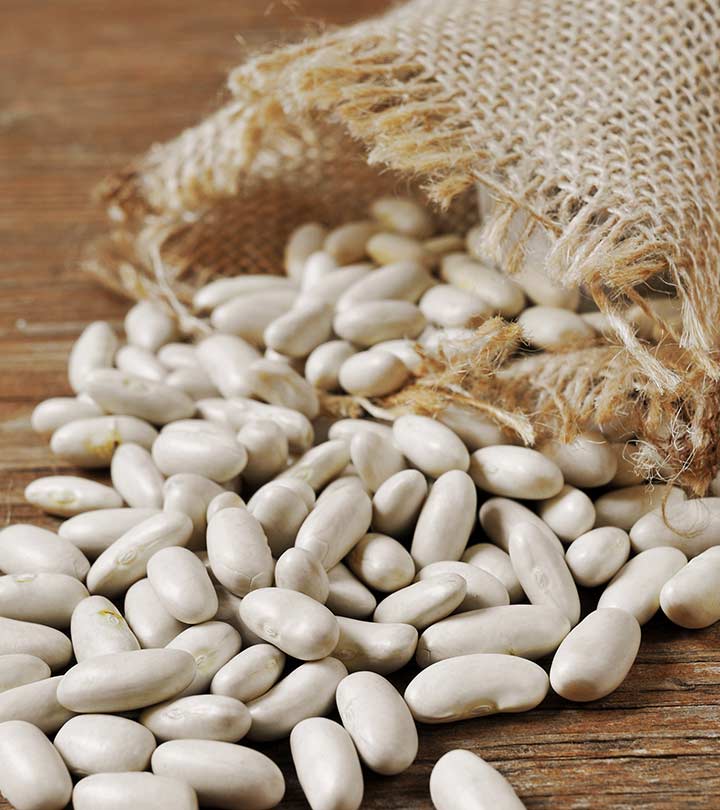
Navy beans are small white beans and are another version of Great Northern beans. So named because of their extensive use in the U.S. Navy’s dietary program, navy beans can be used in any recipe calling for white beans. Oblong and cream-colored, they work especially well in soups, stews, or as a main course with corn bread. Navy beans commonly are the base for Boston baked beans.

In Spanish, pinto means “painted.” These reddish beans are splashed with pink and black speckles that fade during cooking. They are high in calories and are not a complete protein. Highest in fiber of the legumes, pinto beans are a favorite in Southern, Southwestern, Tex-Mex, and Mexican cooking. Use them in chili, soups or as a main dish. Key nutrients in pinto beans include protein, fiber, potassium, phosphorus, magnesium, calcium, iron, zinc, copper, manganese, vitamin C, vitamin B, pantothenic acid, folate and small amounts of lipids.

The ordinary soybean, a staple in Asian cooking, is a major medicinal food. A substantial body of scientific evidence points to the health benefits of soybeans and soy-based products. The soybean’s therapeutic agents are so numerous that later on I will devote a blog post solely to the soybean. They are a complete protein source and provide more protein that any other legume. In addition, soybeans can be made into many different nutritious foods. Other key nutrients are fiber, calcium, iron, phosphorus, potassium, sodium, zinc, copper, vitamin C, folate, lipids, amino acids, genistein, glycitin, lignin, and much more.

RECIPES:

Slow Cooker Pinto Beans. Take 1 pound of dried pinto beans, 1 onion, chopped, 3/4 green bell pepper, diced, 2 stalks of celery, chopped, 3 cloves garlic, chopped, 1 teaspoon ground cumin, 1 tablespoon of dried oregano, 2 bay leaves, 1 tablespoon butter substitute, 5 cups low sodium chicken broth. Cover pinto beans with water in a large bowl. Allow beans to soak overnight. Place onion, green bell pepper, celery, garlic, soaked pinto beans, cumin, oregano, bay leaves and butter in a slow cooker. Pour enough chicken broth into the slow cooker to cover the other ingredients. Cook on high until beans are very tender, 5 to 6 hours.

Soybean Hummus Recipe. Take 4 cups of cooked soybeans, 2 cups of water, 6 tablespoons of juice from a lemon, 4 cloves of garlic (medium size), 2 teaspoons sea salt, herb of your choice for garnish (cilantro is a great one). Place all ingredients, except for the herb for garnish, into a high speed blender. Blend until smooth. Transfer to a storage container, or a serving dish. Decorate with your garnish and enjoy! This hummus keeps refrigerated well for up to a week. Variation: You can add your favorite spices such as cumin or sun-dried tomatoes!

Navy Bean Soup. Take 2 cups of dried navy beans (1 pound) soaked, 14 ounce can of chopped tomatoes, 1 cup of onions, chopped, 4 cloves of garlic chopped, 4 cups of low sodium vegetable broth, sea salt and pepper to taste. Wash and rinse your beans after soaking. Go straight to a large pot. Heat a bit of olive oil or vegan butter. Add garlic and onions (Variation: you can add 1/2 cup of chopped carrots), and fry for about 3 minutes. Remove them from the pot and set aside. Add the beans, vegetable broth, and chopped tomatoes to the pot and bring everything to a boil. Cover with a lid and cook on medium heat for one hour. Stir occasionally. Add the set aside vegetables back to the pot and cook for an extra 30 minutes. Season with a pinch of sea salt and pepper. Serve and enjoy!

Have a wonderful rest of your week! Happy Thanksgiving. Next week we will start a new series “All About Nuts and Seeds!” Stay safe and well!

“USE YOUR VOICE FOR KINDNESS, YOUR EARS FOR COMPASSION, YOUR HANDS FOR CHARITY, YOUR MIND FOR TRUTH, AND YOUR HEART FOR LOVE.”

“Beautiful Beans” Part Two (Chickpeas, Cranberry, Fava & Kidney Beans)

Hello Everyone. I hope your week has gone well. Welcome back. Tonight we feature 4 more beans and some new recipes for you.

Chickpeas are small and compact and actually resemble small hazelnuts or acorns. They are a favorite bean in Indian, Latin, and Middle Eastern dishes. Chickpeas are chewy and nutty and can be cooked with grains, added to salads, vegetable burgers, mixed with pasta and roasted. Hummus, a Middle Eastern dip, is made from mashed chickpeas mixed with oil and tahini, a sesame seed paste. Falafel is made from mashed chickpeas, which are formed into balls, then deep-fried. Also called garbanzo beans and ceci beans, chickpeas take longer to cook than most beans. Key nutrients in chickpeas include protein, fiber, calcium, iron, magnesium, phosphorus, potassium, zinc, copper, manganese, vitamin C, B vitamins, folate, and small amounts of lipids.

Cranberry beans have a speckled, cranberry-colored skin that turns pink when cooked. A small oval bean, their flavor is somewhat nutty and similar to pinto beans. Use them in chili, salads, soups, stews and casseroles. Key nutrients in cranberry beans include protein, fiber, calcium, iron, magnesium, phosphorus, potassium, zinc, copper, manganese, folate, niacin, beta-carotene, and pantothenic acid.

These large, lima-shaped beans have a granular texture and robust, slightly bitter flavor. Also called broad beans, they have tough skins and need to be peeled before eating. They go well with zesty herbs and other pungent ingredients. Use in soups, stews, or casseroles. Key nutrients in fava beans include protein, fiber, calcium, potassium, vitamin C, vitamin B, zinc, copper, amino acids and beta-carotene.

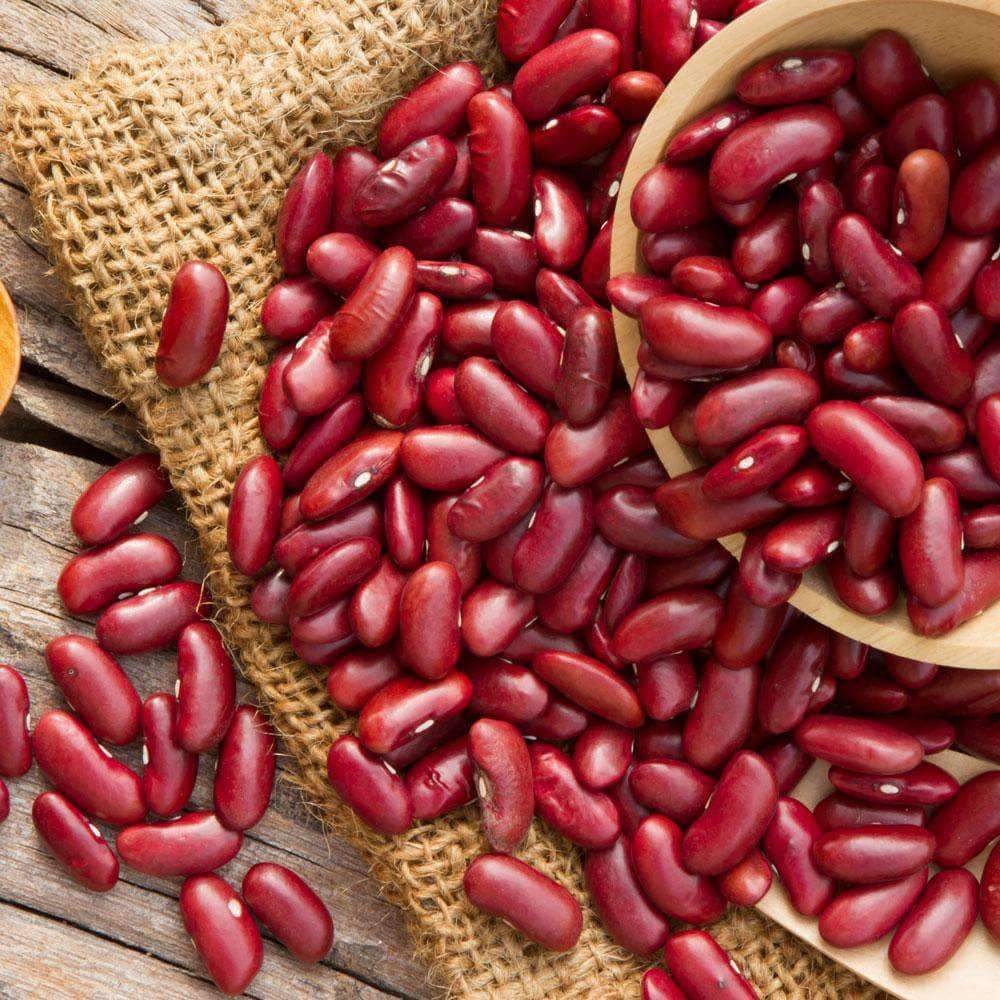
Kidney beans are so-called because of their shape. They are most familiar as the large red type, but they are grown in a variety of colors, shapes and sizes. Great Northern, black beans, and navy beans all belong to the kidney bean family. Red kidney beans are popular in chili, soups, and salads and dishes such as red beans and rice and jambalaya. Key nutrients in kidney beans include protein, fiber, potassium, phosphorus, calcium, magnesium, iron, zinc, copper, vitamin C, pantothenic acid, folate, lipids and beta-carotene.

RECIPES

Tortilla and Bean Salad. Take 1 tablespoon of oil, 1 can of sweet corn, washed and drained, 1 can of kidney beans, washed and drained, 1 bag of mixed salad greens, plain tortilla chips, low fat sour cream or plain low-fat or fat-free yogurt, pinch of sugar substitute, zest and juice of 1/2 a lime. Heat the oil in a frying pan and when hot, stir in the sweet corn. Cook for 3 minutes , stirring often until the corn is browned, then remove and leave to cool. Toss together sweetcorn, kidney beans, salad greens, and tortilla chips. Mix together the sour cream or yogurt, sugar substitute, lime zest and juice. Drizzle over the salad and serve.

Make Ahead Lunch Wraps. Take 2 cups uncooked brown rice, 4 cups of water, 4 (15 ounce ) cans black beans, 2 (15.5 ounce) cans pinto beans, 1 (10 ounce) can of whole kernel no salt corn, 1 (10 ounce ) can diced tomatoes and green chiles (or just diced tomatoes if someone does not like green chiles), 16 (10 inch) whole wheat flour tortillas, 1 pound of fat-free shredded cheese (any flavor you prefer – I like Colby Jack). Combine rice and water in a saucepan, and bring to a boil. Reduce heat to low, cover, and simmer for 35 to 40 minutes, or until tender. Remove from heat and cool. Place black beans and pinto beans into a colander or strainer, and rinse. Add corn and diced tomatoes with green chiles or plain, and toss to mix. Transfer to a large bowl, and mix in rice and cheese. Divide the mixture evenly among the tortillas and roll up. Wrap individually in plastic wrap. Place into a large freezer bag, and freeze. Reheat as needed in the microwave for lunch or snacks.

Savory Kidney Beans. (These are kidney beans in an Indian-style tomato sauce. These can be prepared ahead and reheated. They are great served with Basmati rice!!!) Take 1 (14 ounce) can of kidney beans, rinsed and drained, 2 tablespoons of oil, 1 1/2 teaspoons of cumin seeds, whole, 1 cup of onion, minced, 1 1/2 tablespoons of fresh ginger, minced, 1/4 teaspoon dried thyme, 1 cup tomatoes, diced, 1 tablespoon tomato paste, 1/8 teaspoon sea salt, 1/4 teaspoon pepper, FOR GARNISH 1/4 cup of fresh cilantro or 1/4 parsley, minced, 1 green onion diced, 1- 1 1/2 tablespoon of fresh green chile, minced. Heat oil in a pot over medium high heat. Add cumin and onions and cook, stirring occasionally, untils onions are almost browned. About 7 minutes. Add ginger and cook 1 minute more. Add tomatoes, beans, tomato paste, thyme, salt and pepper. Stir to mix, reduce heat to low, cover and let flavors blend, 13 minutes. (NOTE: You can prepare the recipe until this step and keep in the fridge up to 3 days.) Remove cover and reduce liquid on high heat, stirring frequently, until beans are covered by thick sauce 1-2 minutes. Adjust seasonings. Stir half of the cilantro or parsley into the beans, serve sprinkled with green onion and rest of herbs. Serve chili on the side, so that everyone can add heat as they like.

Have a wonderful weekend! We will meet again next week for Lentils, Lima Beans, Navy Beans, Pinto and Soybeans!

“Attitude is a choice. Happiness is a choice. Optimism is a choice. Kindness is a choice. Giving is a choice. Respect is a choice. Whatever choice you make makes you. Choose wisely.”

“Beautiful Beans” Part One

Happy Saturday Everyone! I hope you all are having a safe weekend and a productive start to the new month of November. (Don’t forget to set your clocks back!) We here in Colorado are enjoying our first snowfall this week!

Today we are onto Part One of the Beautiful Beans series. The inexpensive cost and wide variety of beans and legumes available make them perfect foods to introduce to your diet. We all recognize the standard: pinto, lima, navy and red beans. There is a new generation now that offer variety as well as a complete protein!

Adzuki beans are also called azuki or aduki. These are small tender red beans and are native to the Orient. They are often added to brown rice dishes. Their delicate, sweet flavor goes well with soups (they are especially delicious in barley soup), casseroles, salads, stir fry dishes, bean cakes, and pasta dishes. The adzuki bean is a popular staple in the macrobiotic diet. In traditional Japanese medicine, this bean is also used to treat kidney ailments. Key nutrients in adzuki beans include protein, fiber, calcium, iron, magnesium, phosphorus, potassium, zinc, copper, manganese, B vitamins, folate, beta-carotene and small amounts of lipids. ***Note: They are the highest in nutrients of all beans.)

Originally cultivated by the Anasazi Indians in Colorado, anasazi beans are grown in the Southwest. Similar to the pinto bean, the anasazi has a full flavor and is generally sweeter and meatier than other types of beans. You can use them in chili, stews, succotash, and a variety of Mexican dishes, such as refried beans, burritos, and bean dips. Key nutrients in anasazi beans include protein, fiber, iron, phosphorus and vitamin B.

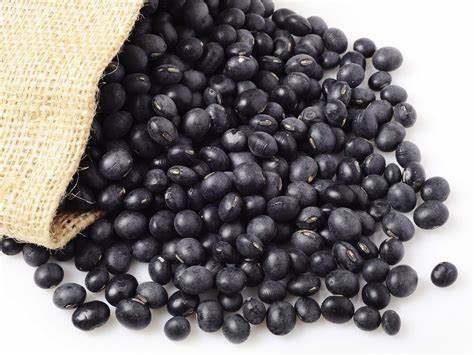
Black beans are a favorite in Latin American, Caribbean, and Oriental cooking. Black beans are also called turtle beans and frijoles negros. They are deep black and have an earthy flavor. They are easy to puree for black bean soup, refried beans, and bean dips. They go well with rice and other grains, for a complete protein as well as with tomatoes and corn.

Black-eyed peas are distinguished by a dark spot along their ridge. They are creamy white and have a taste similar to peas. You can add them to stews, soups, and salads. They are sometimes called black-eyed beans or cowpeas! Key nutrients in black-eyed peas include protein, fiber, calcium, potassium, folate, magnesium, phosphorus, iron, copper, zinc and selenium.

RECIPES:

Barley Bean Soup. Take 1/2 pound adzuki or anasazi beans, 1/2 pound of barley, 2 carrots, diced, 1 large onion, diced, 2 stalks of celery, chopped, 2 tablespoons garlic oil or safflower oil, 2 1/2 quarts of water, 6 tablespoons vegetable broth, 1 dash of sea salt, 1 dash of cayenne pepper (optional), 1/2 cup of dried vegetables, 1/4 cup of parsley, chopped or dried. In a large pot, bring the beans and barley to a boil in the water. Reduce the heat and cover. Simmer for 1 1/2 hours. When the beans and barley are done, in a large skillet, saute the carrots, onions, and celery in oil, and add to the beans and barley along with the broth. Barley swells alot, so you may need to add additional water. Stir in sea salt, cayenne pepper (if desired), dried vegetables and parsley. Simmer for fifteen minutes and serve. (Interesting variation: Substitute 1 quart of a Veggie Juice for 1 quart of water for a spicier flavor!)

FAST VEGETABLE SOUP. Take 1 (19 ounce) can of low salt/low sodium minestrone soup, 1 (16 ounce) package of frozen vegetables, 1 (15 ounce) can of no salt whole kernel corn, drained, 1 (15 ounce) can of black beans, rinsed and drained, 1 (14.5 ounce) can of Italian diced tomatoes, undrained. Combine all ingredients in a large pot or crockpot. Cook in a large pot on medium heat for 1 hour. Or in a crockpot on low for 2-4 hours. ***This is one of my family’s favorite soups. I love mine served over a bowl of basmati rice!!!

Lentil Stew with Pumpkin and Greens. (Lentil stew is high in all needed nutrients and for people in need of a highly nutritious meal.)

Take 2 tablespoons of olive or canola oil, 1 large onion, minced, 1 tablespoon of minced fresh ginger, 1 tablespoon of whole cumin seeds, 3/4 teaspoon of ground cinnamon, 1/2 teaspoon ground coriander, 1/4 teaspoon of ground cardamom, 4 1/2 cups of water, 1 1/4 cups of lentils, rinsed, 2 pounds of pumpkin, peeled and cut into 1-inch cubes, 1/2 cup of golden raisins, 1 cup of diced apples, 1/2 pound of fresh cooking greens. Heat oil in a large saucepan. Saute the onions and fresh ginger for about five minutes. Stir in cumin seeds and other spices, 2 1/2 cups of the water and the lentils. Bring to a boil, cover and reduce heat and simmer for thirty minutes. Add the pumpkin, raisins, apples, and the remaining lentils are barely tender about ten minutes. Stir in the greens, cover, cook for a few more minutes, until the lentils are tender. Serve with cooked brown rice. (Variation: If you prefer, you can easily substitute an equal amount of sweet potatoes for the pumpkin!)

Enjoy the remainder of your weekend. Please stay safe and well. Next week’s post will be Part Two of this series about Chickpeas, Cranberry beans, Fava beans and Kidney beans!

“”IF YOU CANNOT DO GREAT THINGS, DO SMALL THINGS IN A GREAT WAY.”

Design a site like this with WordPress.com
Get started