“Beautiful Beans and Legumes” Introduction

Hi Everyone! Happy Saturday! We are almost to the new month of November. I hope you are having a great weekend. Tonight’s post will be the introduction to a new series called “Beautiful Beans and Legumes.” Julia Child said “You don’t have to cook fancy or complicated masterpieces – just good food from fresh ingredients.” Beans are one of those versatile ingredients that can do just that: make really good food!!

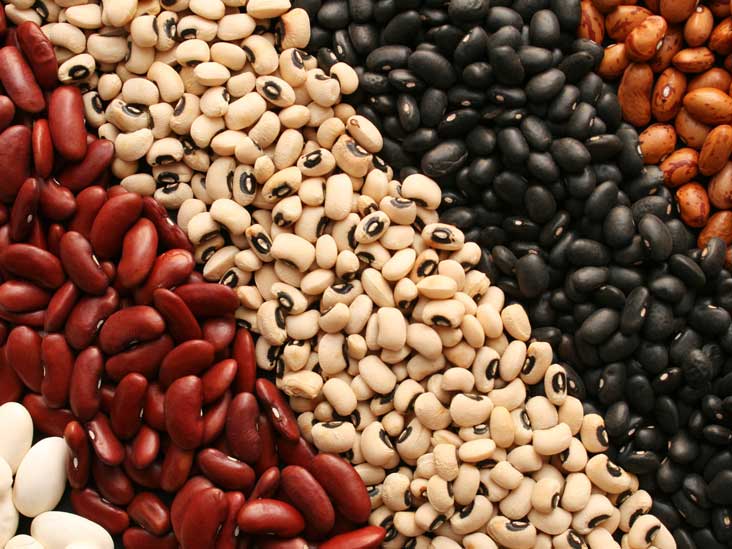
Worldwide, legumes are grown in thousands of varieties. Some are plants, others are vines, trees, and shrubs. Their shared characteristic is the production of edible seeds inside of pods. Beans, dried peas, and lentils are all considered legumes. Peanuts, clover, alfalfa, and fenugreek are legumes as well, though not usually classified as such. Among the oldest agricultural crop, beans, peas, and lentils may even predate grain cultivation. Legumes are important in crop rotation programs, as they replenish the soil with nitrogen, a vital nutrient that grain crops deplete. Since they readily absorb the flavors of other foods, herbs, and spices, legumes work well in a range of dishes, from casseroles, and soups, to stews, salads, vegetables and pasta. They also make nutritious, filling side dishes.

Legumes have more protein than any other plant-derived food. Their protein is not considered complete, as they are missing one or more of the essential amino acids. The deficiency can be corrected by serving legumes with rice, grains or nuts, which provides the amino acids necessary for complete protein. The soybean, higher in protein than any other legume, is the exception. Its protein is complete. Legumes are loaded with energizing complex carbohydrates, calcium, iron, folic acid, B vitamins, zinc, potassium, and magnesium. They contain large amounts of both soluble and insoluble dietary fiber, more than any other plant source except wheat. Soluble fiber helps to reduce blood cholesterol levels and normalizes blood sugar. Insoluble fiber helps regulate bowel function. Ample amounts of legumes can help people with diabetes to keep blood sugar levels under control. Legumes are digested slowly and provide a gradual, steady supply of glucose, rather than a quick surge like most simple carbohydrates. Studies show that foods high in fiber, such as legumes, can help lower blood pressure. Dried legumes are naturally low in fat (except for peanuts and soybeans), calories, and sodium and are cholesterol free. A true nutritional bargain, legumes are an inexpensive protein source and have a long shelf life. NOTE: though legumes are high in iron, it is not the type the body absorbs well. This can be remedied by eating vitamin C rich foods with legumes, which will boost iron absorption!

Select legumes that are uniform in size and color and not broken or cracked. Look for small marks which could indicate insect infestation. If stored in a cool dry place in tightly sealed containers to keep out moisture and humidity (both increase the cooking time), legumes will keep for as long as a year. If using clear storage containers, be sure to keep them out of direct sunlight to prevent loss of color, which can alter the taste of legumes. Mixing new legumes with stored legumes will cause them to cook unevenly. Refrigerate cooked leftovers in sealed containers and they will keep for several days.

Beans, lentils, and peas contain certain compounds such as lectins, tannins and enzyme inhibitors, which potentially can be toxic if not cooked thoroughly. These substances interfere with the action and absorption of some vitamins and minerals. However, proper preparation of dried legumes, soaking and cooking, makes them harmless. Beans are infamous for causing intestinal distress (bloating and flatulence, etc). When sugars, starches and fiber reach the large intestine without being digested or absorbed, friendly bacteria in the bowel consume them. Gas is a byproduct of this bacterial action. Bloating and gas are more likely if beans are not eaten regularly. Build up a tolerance for beans by eating small amounts at first, then gradually increase intake, which gives the body time to adjust. Rinse beans thoroughly before cooking. TIP: Adding 1/2 cup of uncooked brown rice or 1 teaspoon of fennel seeds to beans while cooking will help reduce gas and bloating. Products like Beano, Say Yes to Beans (from Nature’s Plus) or Be Sure (from Wakunaga of America) also help to prevent gas and bloating. These products can also be effective in preventing the gas and bloating caused by eating certain vegetables such as cabbage and cauliflower.

RECIPES:

Bean Burritos with Sweet Potatoes. Take 1 large onion, finely chopped, 1 tablespoon of olive or canola oil, 4 cloves of garlic, finely minced, 1/2 green pepper, chopped, 6 cups of cooked adzuki, kidney or garbanzo beans (or you can use a mixture), 2 cups of the bean liquid and set aside after cooking the beans, 2 tablespoons of chili powder, 2 teaspoons of ground cumin, 1/2 tablespoon of prepared mustard, 1 dash of cayenne pepper (optional), 2 to 3 tablespoons tamari sauce, 8 large whole wheat tortilla, 3 cups of cooked mashed sweet potatoes, 1 medium tomato diced, 1 tablespoon prepared salsa or to taste, 1 cup of plain yogurt, 1 avocado, thinly sliced, 1/2 cup of Romaine lettuce, 1 tablespoon chopped scallion (optional). Preheat the oven to 375 degrees. Saute the onion in the oil until almost transparent, then add the garlic and green pepper. Mix in the beans, bean liquid, chili powder, onion, mustard and cayenne pepper if desired. Bring to a boil, then reduce the heat, cover, and simmer for twenty minutes. Stir in the tamari. Using a potato masher, mash the drained beans in the cooking pot. Continue to simmer and cook uncovered until excess liquid is gone and it is the consistency of mashed potatoes. Remove from the heat. Spread approximately 2/3 cup of the bean mixture down the middle of each tortilla and top with approximately 1/2 cup of the sweet potatoes. Roll the tortillas and place them seam side down in a casserole dish, keeping them close together. Bake for 5 to 10 minutes. While the burritos are in the oven, mix the tomato, salsa and plain yogurt. When the burritos are done, remove them from the oven and top them with the avocado slices, lettuce and tomato mixture. Sprinkle with the chopped scallions if desired. (Variation: You can substitute cooked brown rice instead of sweet potatoes!!)

Fiesta Bean Dip. Take 1 1/2 cups of cooked, mashed beans of your choice, 1/2 cup of plain yogurt or sour cream mixed with taco seasoning to taste, 1 dash of cayenne pepper (optional), 1/2 cup of chopped olives, 1/4 cup of chopped green onions, 1/2 cup of guacamole, 1/2 cup of grated soy cheese, 1/2 cup of fresh diced tomatoes, and 3 tablespoons of salsa. On a plate, layer the ingredients in the order listed, beginning with the beans. Serve with corn chips!

Tasty Veggie Chili (NOTE: This dish freezes well in individual dishes. Pop one in the oven or microwave for a tasty meal. I love this served over warm, cooked basmati rice!!). Take 3 pounds red kidney beans, 2 quarts chopped tomatoes, 2 cans of tomato puree or tomato sauce, 3 large onions chopped, 3 stalks of celery finely chopped, 1 garlic clove, finely chopped, 3 green peppers, chopped, 2 1/2 tablespoons of cumin, 2 tablespoons of tamari sauce, 2 tablespoons of chili powder, 1 tablespoon of sea salt, 1/2 teaspoon of onion powder, 1/4 cayenne pepper, 1/4 teaspoon garlic powder, 2 tablespoons of vegetable or chicken boullion. Soak red kidney beans overnight, then cook until tender usually about 45 to 60 minutes. Do not overcook. Add tomatoes and tomato puree or sauce. In a large skillet, saute the onions, celery, green peppers, and garlic in garlic oil or safflower oil until tender. Add sauteed vegetables to the cooked beans. Mix the cumin, tamari, chili powder, sea salt, onion powder, cayenne pepper, and garlic powder into the bean mixture. Add vegetable or chicken bouillon. Simmer over very low heat for one to two hours. Serve over brown rice and top with grated cheese and fresh avocado slices.

Please enjoy the remainder of your weekend! Next week’s post will be the first installment of our “Beautiful Beans” series. We will feature Adzuki beans, Anasazi Beans, Black Beans, and Black-eyes peas! Stay safe and well!

“IT TAKES 20 YEARS TO BUILD A REPUTATION AND FIVE MINUTES TO RUIN IT. IF YOU THINK ABOUT THAT, YOU’LL DO THINGS DIFFERENTLY.”
“The Goodness of Grains” Part Three (Rice, Soy, Wheat, and Sunflower)

Hi again and welcome to another fall Friday! I trust your week has been a good one and you are ready for a new week that begins the final one of October! Tonight’s post will finish up our series on “The Goodness of Grains.”

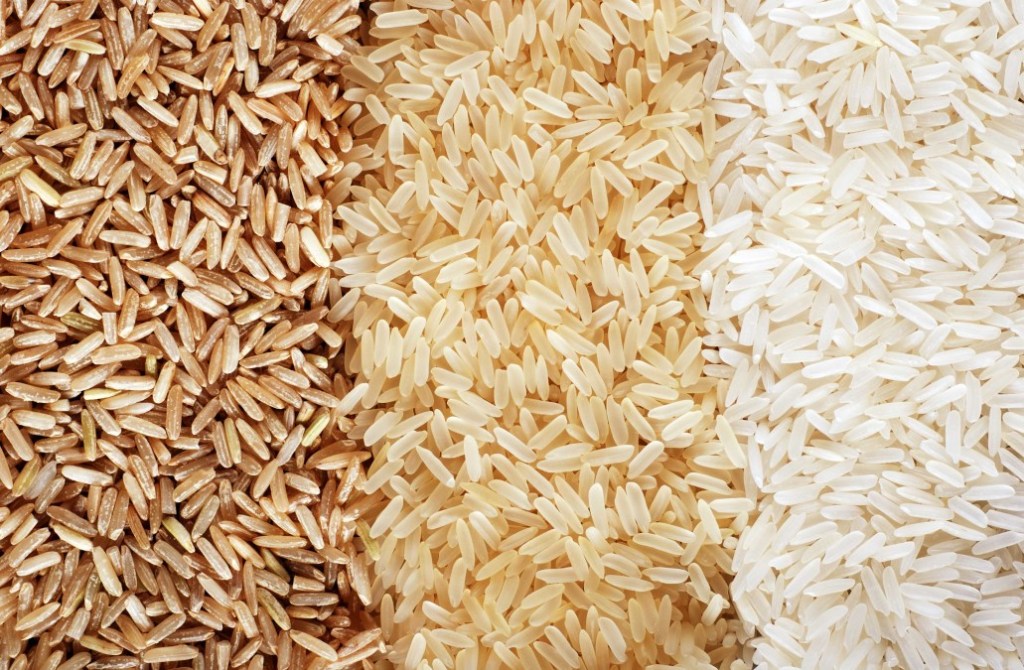
Last week we did a lengthy installment about rice. Tonight will conclude that segment. There are a number of different types of rice that are more or less commonly available. These include the following: brown rice (more nutritious than any other type of rice and the only form that contains vitamin E); black rice (a great rice in risotto or rice-based desserts); white rice; instant rice; wild rice (this is actually not a type of rice but an aquatic grass seed native to North America and contains more protein than any other rice). Side note: wild rice grows in abundance in Minnesota where we are from originally. We LOVED mixing wild rice half and half with white rice in casserole dishes. GREAT FLAVOR! For a different taste experience, or to prepare ethnic dishes, look for specialty rices. They have a nutty flavor and delicate fragrance. Some available specialty rices include the following: arborio rice (grown in Italy and great in rice pudding); basmati rice (highly fragrant and can be substituted for regular rice in most recipes. I LOVE using basmati rice and spooning homemade chili over a bowl of basmati rice for an elegant flair!); black japonica rice (great in stuffing!); jasmine rice (this rice is very good in stir fry and Asian dishes); mochi rice.

Roasted soybeans are ground into a fine powder to make high-protein flour that is more nutritious than grain flour. Soy flour comes in two types: natural, which contains all of the soybean’s oils; and defatted, which has the oils removed during processing. Of the two, defatted has more concentrated protein. Soy flour can be used as it is, or toasted in a dry skillet over moderate heat to bring out its nutty flavor. To use soy flour in baking, substitute it for one quarter of the recipe’s primary flour. Soy flour can be added to almost any recipe for hot cereals, soups, stews, breads, and pancakes. TIP: to reduce cholesterol in baking recipes, replace eggs with 1 tablespoon of soy flour and 2 tablespoons of water per egg. Key nutrients in soy flour include protein, B vitamins, vitamin E, lecithin, phosphorus, potassium, calcium, iron and zinc.

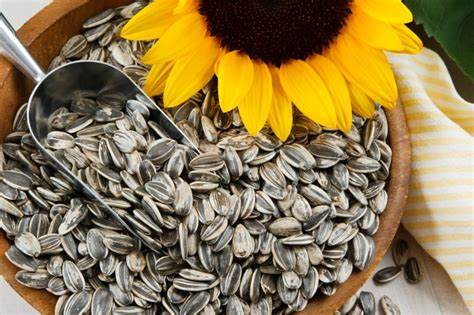
The seed of the sunflower plant can be used to make a flour that can add alot of nutrients to baked goods and is especially good in cookies. Use it to replace a portion of the flour in your favorite recipe. If you grind your own sunflower seed flour at home, make sure the seeds are fresh. Select packages that contain few off-color or dark seeds. For best results, grind the seeds just before using them as they can become rancid once exposed to air. Key nutrients in sunflower seed flour include protein, fiber, potassium, calcium, iron, vitamin B, folic acid, phosphorus and zinc and copper.

Wheat is one of the oldest cultivated grains and the world’s most important cereal crop. Nearly 2 billion people regularly use wheat in their diets. Wow! Whole wheat, in which the bran and germ remain intact, is considered a nutritional powerhouse! Wheat bran, for instance, is packed with 12 grams of fiber per ounce!! The thousands of varieties of wheat are known by planting season, grain hardness, and kernel color. The most common categories are hard red winter, hard red spring, soft red winter, hard white, soft white, and durum. Soft and hard white wheat are milled into flour used mainly for baking. Soft wheat flour is higher in carbohydrates and is good for making pastries. crackers and cookies. Flour made from hard wheat is higher in protein and is good for breads because of its higher gluten content. Cracked wheat, made from wheat berries, is good for hot cereals and can be sprouted. Rolled wheat, similar to rolled oats, can be used in granola and cookies. Durum, the hardest type of wheat, is primarily processed into semolina flour to make pasta. Key nutrients in whole wheat include protein, fiber, B vitamins, vitamin E, iron, folate, magnesium. (Word of caution: wheat is high in gluten which makes bread rise. However, many people are unable to tolerate gluten. Celiac disease, an intestinal disorder caused by gluten intolerance, is a condition in which this intolerance leads to irritation and damage of the intestinal lining, which in turns caused poor absorption of nutrients and water. And wheat can cause allergic reactions in some people.)

RECIPES:

Peanut Butter Delight Milk Shake. Take 1 1/4 cup of cold milk or almond, soy or coconut milk, 1 ripe large banana, peeled and sliced, 2 1/2 tablespoons of old-fashioned rolled oats, 1 tablespoon flaxseed oil, 1 tablespoon unsalted peanut butter, 1 teaspoon honey and 10 small ice cubes. Combine all ingredients in a blender and puree until smooth. Drink and enjoy!

Rice Stir Fry. Take 1 cup of chopped broccoli, 1 cup of sliced mushrooms, 1/2 cup of chopped celery, 1 onion sliced, 1 red pepper, chopped, 1/2 cup of sliced carrots, 1/2 cup of cauliflower pieces, 3 cloves of garlic, minced, 1/2 cup of sliced almonds, 1/4 of sunflower seeds, 2 tablespoons of sesame oil, 2 tablespoons of teriyaki sauce, 1 teaspoon of seasoning of choice, and 2 cups of cooked rice. Saute the vegetables, garlic, almonds, and sunflower seeds in sesame oil until vegetables are crisp, not soft. Add the teriyaki sauce, seasoning. Stir until mixed and warmed through and serve over the cooked rice. Serve immediately.

Spicy Cranberry Cornbread. Take 1 1/2 cups of milk, 1 tablespoon of apple cider vinegar, 1/4 cup of unsweetened applesauce, 2 tablespoons of pure maple syrup, 3 tablespoons of minced scallion, 2 tablespoons of minced jalapeno pepper, 2 tablespoons of dried sweetened cranberries, 1 tablespoon of neutral flavored oil, 1 cup of whole wheat pastry flour, 1/2 cup of corn flour, 1/2 cup plus 2 tablespoons coarsely ground cornmeal, 1 teaspoon of fine sea salt, 1/4 teaspoon ground black pepper, 1 tablespoon of baking powder, and nonstick cooking spray. Put an 8 inch cast-iron skillet in the oven and preheat the oven to 400 degrees. Combine the milk and vinegar in a medium-sized bowl. The mixture will curdle and become like buttermilk. Stir in the applesauce, syrup, scallion, jalapeno, cranberries and oil. Combine the flours, cornmeal, salt and pepper, and baking powder in a second medium sized bowl. Whisk to combine. Pour the wet ingredients into the dry and stir until combined, but do not overmix. If the mixture is too dry, add the additional milk 1 tablespoon at a time as needed. The mixture should be pourable. Carefully take the skillet out of the oven and coat it with cooking spray. Pour the cornbread batter into the skillet and put it back in the oven. Bake for 33 to 38 minutes, until a toothpick inserted into the center comes out clean. Let cool slightly before serving.

I hope you all have enjoyed this series. Next week we begin a new one entitled “Beautiful Beans” (one of my absolute favorite foods, talk about healthy and versatile!) And a great fall staple!! Have a great weekend. Stay safe and well and I will “see” you next week.

“A HEALTHY ATTITUDE IS CONTAGIOUS, BUT DON’T WAIT TO CATCH IT FROM OTHERS. BE A CARRIER.”

“Goodness of Grains” Part Two (Oats, Potato, and Rice)

Hi everyone and happy Wednesday! I hope you are having a good week as we roll through the month of October. Welcome back as we continue our new series about the Goodness of Grains. Tonight we showcase oats, potato, and rice!

Oats are a great source of complex carbohydrates. They are also high in protein and contain twice as much as brown rice and one a half times as much as bulgur wheat. Oats, the only grain almost eaten in its whole form, contain the highest amount of fat of all grains, which warms the body and gives it stamina. Oats and oat flour are capable of normalizing blood glucose, a benefit to people with diabetes and are good for those with a sluggish thyroid. Oat bran and oatmeal lower cholesterol and are high in fiber. The different forms in which oats are available include steel-cut, rolled, bran, groats, flakes, flour, and instant. Oats retain more of their food value through processing than does wheat. Use oat flour in baking; it adds exceptional flavor to any bread recipe. Rolled or flaked oats require longer cooking time, around twenty to thirty minutes. Steel-cut oats, which are sliced, have the most nutrients left in the grain. All types of oats are enjoyable as a hot breakfast cereal or as a cold cereal in granola and muesli. HELPFUL TIP: To make a good thickener in stews, soups, stuffing and pancakes, cook 1 cup of steel-cut oats in 2 cups of water for thirty minutes! Key nutrients in oats include protein, fiber, iron, manganese, phosphorus, calcium, B vitamins, and vitamin E.

Potatoes are not a grain, but flour can be made from steamed and dried potatoes. One pound of potato flour equals five pounds of whole potatoes. Potato flour is used in baking and a thickener and flavoring for soups. It is good in gravies, sauces, stews, muffins, and breads. For instant mashed potatoes, try the flour in flake form! Key nutrients in potatoes include protein, fiber, vitamin B, vitamin C, potassium, copper, iron, magnesium, manganese, and vitamin B.

Rice is rich in complex carbohydrates yet low in fat and calories. Its protein is good quality, as it contains fairly high levels of the amino acid lysine. Like grain, when rice is milled, it loses important nutrients. In the United States, most white rice has been refined and then enriched with vitamin B, niacin and iron. In fact, all rice starts out brown, the milling process makes it white. Rice is truly versatile. It can be used as a side dish, as hot and cold breakfast cereal, and in salads, soups and stews. Rice bran is a good bulking agent for baked foods. Rice aids digestion and help to reinstate normal bowel function after a bout with diarrhea. It also helps regulate glucose metabolism in people with diabetes. Rice bran helps to lower cholesterol. And researchers have found that children with health and behavior issues caused by food sensitivities have found relief after switching to a rice-based diet. Grain size and shape dictate the texture rice will have when cooked. Short grain rice, which is oval, is sticky. Medium grain is moist and tender. Long grain is dry and the grains tend to stay separate. Brown rice comes in short or long grain. Short grain is best in recipes that need to hold together as it gets stickier. Long grain stays separate better and is best as a side dish, in fried rice, or with vegetables. Both are great in salads! Key nutrients in brown rice include protein, fiber, calcium, magnesium, manganese, phosphorus, potassium, iron, B vitamins, and vitamin E. Nutrients in enriched white rice include protein, calcium, magnesium, phosphorus, potassium, folate, iron, vitamin B and manganese.

RECIPES.

Fill You Up Oat Flapjacks. Take 3/4 cup of milk. 1 tablespoon of apple cider vinegar, 3 tablespoons of plain or vanilla flavored yogurt, 1 teaspoon of pure vanilla extract, 2 tablespoons Sucanat, 1/2 cup of oat flour, 1/4 cup of white whole wheat flour, 1 tablespoon of baking powder, 1/2 teaspoon ground cinnamon, 1/4 teaspoon fine sea salt. In a medium-size bowl, combine the milk and vinegar. The mixture will curdle and become like buttermilk. Stir in the yogurt, vanilla, and Sucanat. Whisk together the flours, baking powder, cinnamon, and salt in a second bowl. Pour the wet ingredients into the dry ingredients and whisk together. A few lumps may remain, and that is okay. Preheat the oven to 350 degrees. Heat a cast iron skillet over medium heat. Lightly coat with cooking spray. Working in batches, scoop 1/3 cup batter into the skillet. You will probably only be able to cook 2 pancakes at a time. If you have a griddle, you will be able to cook more at a time. Cook for 4 to 5 minutes until the top has bubbles and the edges look dry. The bottom should be golden. Turn the flapjacks over to cook the second side for 4 to 5 minutes or until golden. Place the flapjacks on an oven safe platter and keep warm in the oven while cooking the remaining flapjacks. Serve with butter and maple syrup.

More Than Maple Granola. Take 2 cups of old-fashioned rolled oats, 3 tablespoons of slivered almonds, 2 tablespoons of flax meal, 1 tablespoon of sunflower seeds, 1 teaspoon of ground cinnamon, 1/2 teaspoon of garam masala, 1/4 teaspoon of fine sea salt, 1/3 unsweetened applesauce, 3 tablespoons of pure maple syrup, 2 tablespoons of neutral flavored oil, 2 tablespoons of Sucanat, 1 teaspoon pure vanilla extract, and 1/2 cup of dried sweetened tart cherries, chopped. Preheat the oven to 300 degrees. Line a 12 x 17 inch rimmed baking sheet with parchment paper. Combine the oats, almonds, flax meal, sunflower seeds, cinnamon, garam masala, and salt in a large bowl. Combine the applesauce, maple syrup, oil, Sucanat, and vanilla in a small bowl. Whisk together. Pour into the oat mixture and stir to coat. Spread the mixture out on the baking sheet. Leave some space between the clumps, but try to get a fairly even depth so that the granola can bake evenly. Bake for 20 minutes. Remove from the oven and using a spatula, turn the granola over similar to flipping pancakes. Bake for 15 to 20 minutes more until golden. Remove from the oven and let cool on the sheet. The granola crisps as it cools. When cool, break the clusters apart as desired and stir in the cherries. The granola can be stored covered at room temperature for 2 weeks.

Raspberry Chia Smoothie. Take 1 1/2 cups of frozen or fresh raspberries. 1/2 cup of apple juice, 1/2 medium ripe banana, peeled and sliced. 1/4 cup of old-fashioned rolled oats, 3 tablespoons of vanilla yogurt, 1 tablespoons of chia seeds, soaked in water for 5 minutes, 1/4 teaspoon of ground cinnamon, 10 small ice cubes. Combine all ingredients in a blender and puree until smooth. Enjoy.

Have a great rest of your week. Please continue to stay safe and well. Next week we will continue on. There will be another section on rice, soy and wheat!

“TODAY WILL NEVER COME AGAIN. BE A BLESSING. BE A FRIEND. ENCOURAGE SOMEONE. TAKE TIME TO CARE. LET YOUR WORDS HEAL AND NOT WOUND.”

“Goodness of Grains” Part One (Barley, Buckwheat and Corn)

Hi again everyone and happy Saturday! I do hope that your week has been a good one and that you are all well and staying healthy! I hope you are seeing the beautiful colors of fall in your area! Thanks for being back as we dive into Part One of the “Goodness of Grains” series. Tonight we showcase barley, buckwheat and corn.’

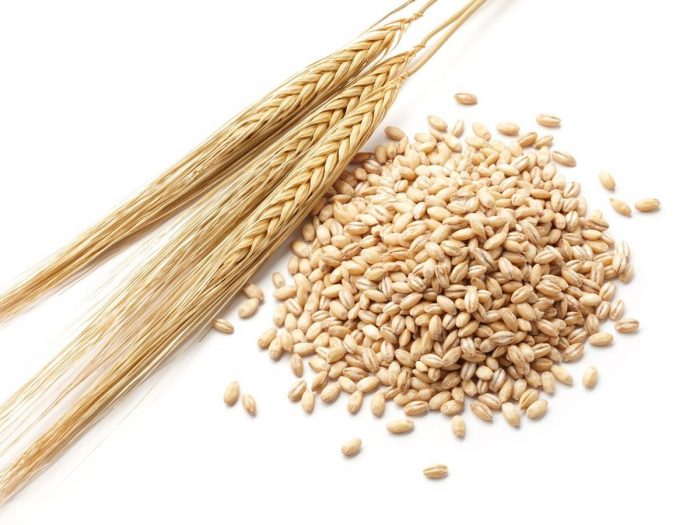
Barley has quite a place in history as it has been used as far back as the Stone Age for everything from a form of currency to an ingredient in medicines! Add it to vegetable soups and stews, or use it in cereals and breads. Whole hulled barley, with only the outer husk removed, it the most nutritious!

Barley stimulates the liver and lymphatic system, enhancing the body’s discharge of toxic waste. It also helps to suppress cholesterol in the liver. The beta-glucans in barley work with other soluble fibers to help prevent intestinal absorption of dietary fats and cholesterol. Containing both soluble and insoluble fiber, this grain aids bowel regularity. Barley broth is excellent for those who are ill. Potassium is abundant in unrefined barley. Other key nutrients in barley include fiber, magnesium, vitamin E, the B-complex vitamins, zinc, copper, iron, calcium, protein, potassium, sulfur, and phosphorus. Phytochemicals include lignin and beta-glucans.

Buckwheat is made from the seeds of a plant related to rhubarb. Kasha, or hulled, toasted buckwheat has a nutty flavor and is popular as either whole groats or cracked. Used extensively in Slavic cooking, buckwheat can be enjoyed in pilafs, as a cereal side dish, or as fillings or in the very familiar pancake mix!! Its high rutin content makes buckwheat good for people with arteriosclerosis and for strengthening capillaries and reducing the risk of hemorrhage. (Interesting note: Rutin can also be purchased in pill form.) Buckwheat is a good blood builder and neutralizes acidic waste. It is also beneficial for the kidneys and lowering blood pressure. Buckwheat is an excellent source of protein (which is missing in most grains except millet), fiber, B vitamins, potassium, lysine, phosphorus, vitamin E, calcium, and iron. Phytochemicals include rutin.

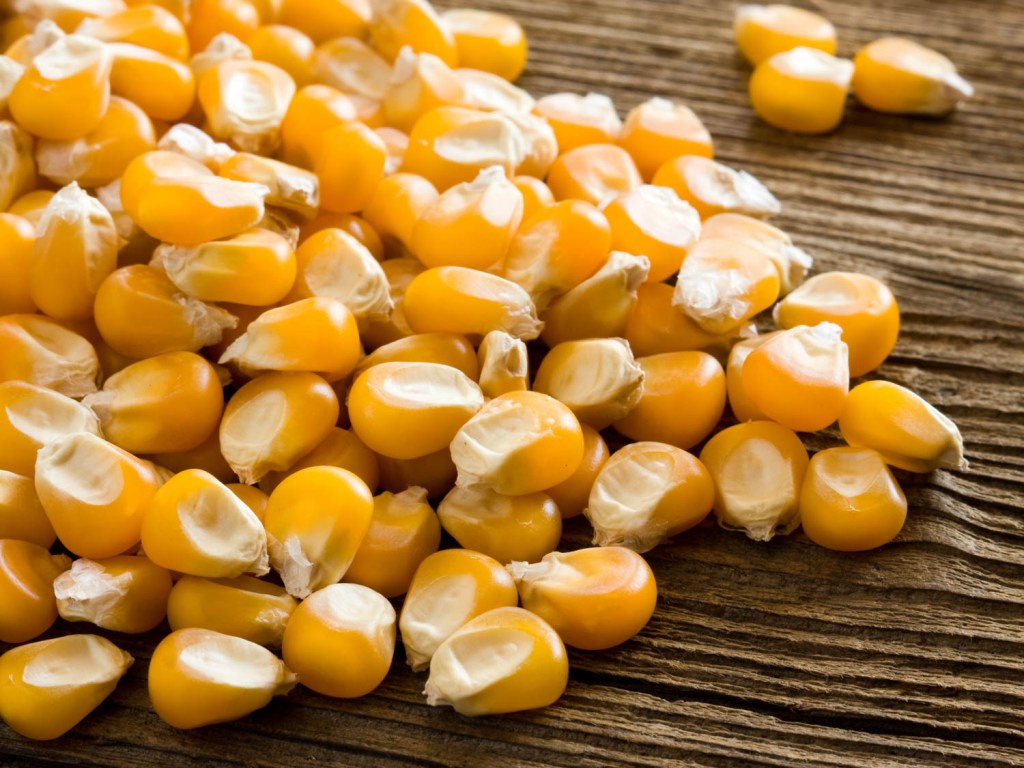
Corn is a Northern Hemisphere “original” and is high in carbohydrates. Corn has been a nourishing mainstay for centuries. Though usually thought of as a vegetable, the corn plant is in fact a grass and the kernels themselves are the grain. Cornmeal flour is the basis for traditional Southern breads, such as cornbread and corn pone. It can also be used as breading for baked fish and chicken (my two favorite meal choices that I could literally eat everyday!!!). Corn germ makes a great breading for chicken or dish and is also good added to cereals and toppings. Nutrient-rich, it contains ten times more zinc than wheat germ and has a longer shelf life. Though high in protein, corn itself is not an adequate protein source. It lacks two essential amino acids required to be a complete protein, which is why some food manufacturers fortify corn products with lysine and tryptophan. Replace these missing nutrients by eating corn with legumes or rice. Key nutrients in corn in include protein, fiber, vitamin A, B vitamins, vitamin C, calcium, folate, magnesium, phosphorus, potassium, and iron. Phytochemicals include alpha-carotene, phytosterols, phytic acid.

RECIPES:

Sweet Potato Waffles. Take 10 ounces of 1 inch peeled sweet potato cubes, 1 3/4 cups of refrigerated coconut milk, 1/4 cup of neutral flavored oil, 1/4 cup of pure maple syrup, 2 cups of whole wheat pastry flour, 1/2 cup of barley flour, 1/2 cup of corn flour, 1 tablespoon plus 1 teaspoon of baking powder, 1 teaspoon fine sea salt, 1 1/2 teaspoons ground cinnamon, 1/2 teaspoon ground cloves. Fill a medium-size saucepan halfway with water and bring to a boil over high heat. Add the sweet potato, and decrease the heat to a simmer. Simmer for 10 minutes or until fork-tender. Drain and let cool until the cubes can be handled. Put the potato, milk, oil, and maple syrup in a blender. Process until smooth. Combine the flours, baking powder, salt, cinnamon, and cloves in a medium size bowl. Stir together. Pour the potato mixture into the dry ingredients and stir to combine. The mixture will be thick but should be spreadable. If not stir an additional tablespoon or two of milk. Preheat a waffle iron to high heat. Lightly coat with non stick cooking spray. Spoon 2/3 cup batter onto the waffle iron and cook according to the manufacturer’s instructions. Yield 6 standard waffles.

Sweet Corn and Blueberry Pancakes. Take 3/4 cup plus 1 tablespoon refrigerated coconut milk, 2 tablespoons of vanilla flavored yogurt, 1 tablespoon neutral flavored oil, 1 tablespoon Sucanat, 1 teaspoon pure vanilla extract, 1 cup of whole wheat pastry flour, 2 tablespoons corn flour, 1 tablespoon of baking powder, 1/2 teaspoon ground cinnamon, 1/2 teaspoon fine sea salt, 1/2 cup fresh or frozen blueberries. Whisk together the coconut milk, yogurt, oil, Sucanat, and vanilla in a medium size bowl. Whisk together the flours, baking powder, cinnamon, and salt in a medium size bowl. Add the blueberries and pour the wet ingredients into the dry ingredients. Stir gently to combine. Preheat the oven to 350 degrees. Heat a cast iron skillet over medium heat. Lightly coat with cooking spray. Working in batches, scoop 1/2 cup of batter into the skillet. You will probably only be able to cook 2 pancakes at a time. If you have a griddle, you should be able to cook more. Cook for 4 to 5 minutes until the top bubbles and looks dry on the edges. The bottom should be golden. Turn the pancake over to cook the second side for 4 to 5 minutes or until golden. Place the pancakes on an oven safe platter and keep warm in the oven while cooking the remaining pancakes.

WHOLE GRAIN EXTRAVAGANZA SMOOTHIE. This makes 2 smoothies (12 ounce size). Take 1 1/4 cups of unsweetened almond milk or coconut milk, 1 Gala apple, peeled cored and sliced, 1 ripe banana, peeled sliced and frozen, 3/4 cup of old-fashioned rolled oats, 4 tablespoons nonfat vanilla yogurt, 1 tablespoon flaxseed oil and 6 small ice cubes. Combine all ingredients in a blender and puree until smooth. ENJOY!

Have a fabulous weekend! Stay safe and well. Next week we will have a post about oats, potatoes, and rice and some great new recipes.

“SUCCESS IS NOT FINAL, FAILURE IS NOT FATAL. IT IS THE COURAGE TO CONTINUE THAT COUNTS.”

“The Goodness of Grains” Introduction

Hello everyone! Happy Tuesday and welcome to a brand new series all about the Goodness of Grains! Thanks for stopping by and I hope you enjoy this introduction!

Grains have been the staple food of many cultures for thousands of years for a good reason. Grains are loaded with protein, fiber, vitamins and minerals. They are extremely versatile, relatively inexpensive, and easy to cook. Use them in soups, salads, side dishes, main dishes and now, even desserts. Their nutty flavor and hearty texture make them a perfect base for breakfast cereals, pasta, and baked goods. Grains should be whole, and flours should be made from whole grains. The risk of diabetes, heart disease, and stroke can be reduced through the simple practice of substituting whole grains for refined grains. Refined foods such as white flour and white rice are stripped of the fiber and nutrients that whole grains still possess. The first word on the label needs to be “whole”. Do not be fooled by artificial brown or caramel coloring. And now, some uniquely different and interesting grain varieties including amaranth, quinoa, and spelt have joined the familiar wheat, corn, and oats in health food store bins.

Grains are not all in the same botanical family. True grains, which include wheat, rice, oats, rye, millet, corn, triticale, and barley, belong in the grass family. Amaranth, quinoa, buckwheat and others are in different families; however, all grain kernels have a similar makeup. Another thing grains have in common is the types of nutrients they supply. Chief among them are fiber and complex carbohydrates.

Whole grains provide both soluble and insoluble fiber. Insoluble fiber, concentrated in the bran, is typically removed in the milling process. Soluble fiber, in all grains, lowers blood cholesterol and is though to reduce hearth disease risk. Insoluble fiber prevents constipation. It can also aid in weight loss by giving the dieter a sense of being full with less food.

Grains are an excellent source of complex carbohydrates which can help curb the appetite. Carbohydrates are fuel for the body’s vital energy needs. They provide energy in a time-release fashion to ensure a steady blood sugar level. High-carbohydrate foods are not fattening. Carbohydrates have less than half the calories found in fat. Research shows that women who eat carbohydrates recover more quickly than those who do not, and that carbohydrates, due to complex chemical reactions in the brain, act as a tranquilizer and are beneficial for people with seasonal adaptive disorder and depression.

In addition to fiber, carbohydrates and high concentrations of protein, whole grains contain essential vitamins and minerals, including B vitamins, vitamin E, folate, calcium, selenium, iron, magnesium, and zinc. Combined with legumes and vegetables, whole grains provide complete nourishment!!

Grains are available already boxed, in cellophane bags, or in bulk from bins. When buying prepackaged grains, make sure the package is tightly sealed. Check the freshness date also. When buying bulk grains it is a good idea to shop at stores that have a high turnover to ensure the freshest supply. Rather than stocking up, buy small amounts often. It is important that the bins be emptied before new stock is added, Grains should be dry, clean of debris and chaff and fresh smelling. It is best to buy grains that have been refrigerated. Though they have a comparatively long shelf life, whole grains can spoil. Their natural oils become rancid. Insects and mold can attack them also. Keep them in containers that can be closed tightly. If stored in a cool dry place, they will keep for about a month. Grains stored in the fridge in moisture proof containers have a longer life, up to five months. Most grains that are frozen will keep almost forever. The two exceptions would be oats and oat bran, whose high fat content make them more susceptible to turn rancid after two to three months.

RECIPES:

FRUIT OATMEAL COOKIES. Take 8 cups oats, 6 cups of whole wheat flour, 2 1/2 cups date sugar or other dry sweetener, 1 1/2 teaspoons ginger, 1 teaspoon baking powder, 1 teaspoon cinnamon, 4 eggs or egg replacement, 3 cups honey or maple syrup, 2 cups of Canola oil, 1 1/2 cup of frozen apple juice concentrate, 2 teaspoons pure vanilla extract, 1 cup of chopped dried fruit of choice (apples, apricots), 2 cups of chopped nuts of choice (optional). Preheat the oven to 350 degrees. In a large mixing bowl, combine the dry ingredients. In a separate bowl, mix together the wet ingredients. Fold the dry mixture into the wet. Fold in fruit and nuts, if desired. Drop by full tablespoons on an oiled cookie sheet and press down slightly with the bottom of a drinking glass. Bake for twelve to eighteen minutes. VARIATIONS: Apple cider juice from a health food store is good to use in place of the apple juice concentrate. Or substitute any favorite fruit juice. This recipe is fun to play with! Add nuts, carob chips, peanut butter chips or any kind of chopped dried fruit. A good idea for the holidays: Divide the dough into half or thirds and mix in different ingredients for an assortment of cookies!

DOUBLE CRANBERRY SCONES. Take 1 1/2 cups of whole wheat pastry flour, 1 cup of oat flour, 2 teaspoons of baking powder, 1 teaspoon ground cinnamon, 1/2 teaspoon sea salt, 3 tablespoons sweetened dried cranberries, 1/2 cup of fresh or frozen cranberries, 1/2 cup of refrigerated coconut milk, 1 teaspoon of apple cider vinegar, 1/2 cup of sucanat, 3 tablespoons plain yogurt, 2 tablespoons neutral flavored oil, 1 tablespoon of orange zest, and 1 teaspoon pure vanilla extract. Preheat the oven to 375 degrees. Line a baking sheet with parchment paper or silicone baking mat. Whisk together the flours, baking powder, cinnamon, and salt. Stir in the dried and fresh cranberries. Whisk together the milk, vinegar, Sucanat, yogurt, oil, zest, and vanilla in a small bowl. Pour the wet ingredients into the dry ingredients and stir to combine. Do not overmix. Spoon a scant 1/2 cup of dough onto the baking sheet. Repeat with the remaining dough placing the scones 3 inches apart. Bake for 15 to 18 minutes, until golden. Cool on a wire rack.

COCONUT SPICE GRANOLA. This spicy granola will make your whole house smell like pumpkin pie! Take 3 cups of old-fashioned rolled oats, 1 cup of walnut halves, 1 1/2 cups of unsweetened flaked coconut, 1 teaspoon of cinnamon, 1/2 teaspoon ginger, 1/4 teaspoon allspice, 1/8 teaspoon ground nutmeg, pinch of ground cloves, 2 tablespoons of molasses, 1/2 cup of brown rice syrup, 1/4 cup of water, pinch of sea salt, 2 tablespoons of melted coconut oil, 1/3 cup of chopped dates (optional). Preheat the oven to 325 degrees. Line a 12 x 17 inch rimmed baking sheet with parchment paper. Combine the oats, walnuts, coconut, and spices in a large bowl. Combine the molasses, brown rice syrup, water and salt and oil in a medium size bowl. Pour the molasses mixture over the oat mixture and stir to coat. Transfer to the prepared sheet. Make sure the preparation is spread evenly so that it bakes evenly. Bake for 10 minutes remove from the oven and stir. Bake for another 10 minutes, until deep golden brown. Remove from the oven and let cool on the sheet, stirring occasionally. Stir the dates into the granola if using. Let cool completely before stirring! This granola will keep for up to 2 weeks stored in an airtight container, at room temperature or in the fridge. Variation: Pecan halves make a great substitute if you are not fond of walnuts.

Have a wonderful rest of the week! Stay safe and well. If you are like me, you are looking forward to fall temps! Next week I will have Part One of our Goodness of Grains Series and I will feature barley, buckwheat and corn!

“Life is like a camera. You focus on what’s important, capture the good times, develop from the negative, and if things don’t work out take another shot.”

“Fabulous Fruits” Final Installment

Hello again everyone and Happy Sunday! It is hard to believe we are entering the final week of July! Where has the summer gone? Welcome back as tonight’s post will finish up our fun series on fruits! The final three will be plums, tangerines and watermelon! And I have included a couple of bonus recipes as well!

Plums can help to lower blood cholesterol levels, relieve constipation, and eliminate parasites from the body. Plums contain benzoic acid, which is very useful in the treatment of liver disease and kidney disorders. Plums are a fruit the also contain salicylates, the same compounds which we have learned are used to make aspirin! Researchers believe that these compounds may discourage the formation of unwanted blood clots. IMPORTANT NOTE: Avoid eating plum pits. They contain amygdalin, a compound that is converted into cyanide in the stomach. Key nutrients in plums contain vitamin C, vitamin B, potassium, fiber, vitamin E, vitamin K, calcium, iron, magnesium, phosphorus, fructose, sucrose, zinc, copper, beta-carotene, lipids, amino acids, and lutein. Choose plums that are fairly firm to soft, plump, and well colored for their variety. Ripe plums are slightly soft at the stem and tip. Avoid plums with shriveled skins, mushy spots, breaks in the skin, or brownish discolorations. Also avoid plums that are extremely hard. Ripe plums stored in the fridge in a plastic bag will keep for up to three days. Wash plums under cool water before eating.

Tangerines can help cleanse the body, boost the immune system, prevent heart disease, lower blood cholesterol levels, combat fevers, dissolve gallstones, and lower high blood pressure. IMPORTANT FACT: Tangerines contain more beta-carotene than any other type of citrus fruit. Key nutrients in tangerines include vitamin C, folate, vitamin B, potassium, phosphorus, magnesium, sulfur, calcium, iron, fiber, sodium, fructose, glucose, sucrose, zinc, copper, vitamin B, vitamin E, lipids, amino acids, beta-carotene, pectin, limonene, and catechins. Select tangerines that have a deep orange color and feel heavy for their size. Skins should be loose but not shriveled. Avoid pale yellow or greenish fruits; however, small green areas on deeply colored fruit will not affect quality. Pass on fruit with cuts or punctures. Tangerines should be kept in the fridge, and will keep for three to five days. Wash tangerines under cool water, peel off the skin and separate the fruit into segments when you are ready to eat them. A word of caution: People who have or are prone to urinary tract infections should avoid citrus fruits, as they produce alkaline urine, which encourages bacterial growth.

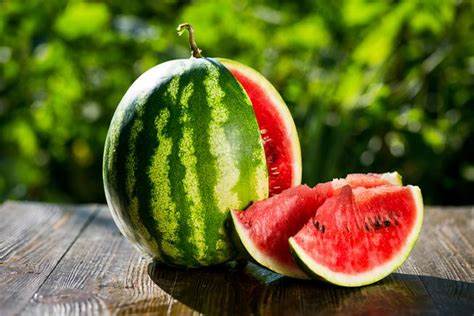
Watermelons are one of my favorite fruits!!!! They are a natural diuretic, which makes it useful for weight loss. Watermelon also helps to cleanse tissues and combat canker sores. They are a great source of lycopene and help to control blood pressure. Key nutrients in watermelon include fiber, calcium, iron, magnesium, phosphorus, potassium, sodium, fructose, glucose, sucrose, zinc, copper, vitamin C, vitamin B, folate, vitamin E, beta-carotene, and lipids and amino acids. Select watermelons that are symmetrically shaped and are free of cracks, soft spots, and bruises. Choose a watermelon whose rind is neither very dull or very shiny. The underside of the melon should be yellowish in color. The stem if attached should be dry and brown in appearance. Uncut watermelon can be kept at room temperature and will keep for up to one week. Cut watermelon should be packaged in an airtight container. Refrigerated, it will keep for up to four days. Wash watermelons under cool water before slicing to cleanse them of any mold or bacteria, which can be carried on the knife from the skin into the fruit.

RECIPES:

Morning Cleanse Smoothie. Take 5 cups of orange juice, freshly squeezed, 1 lime peeled, 1/2 inch ginger root. Put all ingredients in a blender. Blend until you get a smoothie like consistency. Serve chilled.

Berries All-Mighty Smoothie. Take 1 cup of raspberries, fresh or frozen, 1 cup of blueberries, fresh or frozen, 10 strawberries, fresh or frozen, 2 cups of green tea. Put all ingredients in a blender and blend until you get a smoothie like consistency. Serve chilled.

Red Rainbow Smoothie. Take 1 cup of raspberries, fresh or frozen, 10 strawberries, fresh or frozen, 1 cup of cherries, pitted, fresh or frozen, 1 pomegranate, juice of, and 1 cup of white chia flour. Put all ingredients in a blender and blend until you get a smoothie like consistency. Serve chilled.

Sparkling Peach Cranberry Lime Infusion. Take 1/2 cup of cranberries, 1 cup of peach chunks or slices, 1 lime, sliced, 8 cups of sparkling water. Place the cranberries and peaches in a pitcher. Muddle the fruit to release the flavors into your water. Add the lime and water. Chill for 1 to 8 hours before serving.

Tangerine Tossed Salad. Take 1/2 cup of sliced almonds, 3 tablespoons of sugar substitute divided, 2 medium tangerines, 6 cups of torn lettuce, 3 green onions chopped, 2 tablespoons of cider vinegar, 2 tablespoons of olive oil, 1/4 teaspoon of sea salt, 1/4 teaspoon of black pepper. Cook and stir 2 tablespoons of the sugar substitute and almonds in a small skillet for 25-30 minutes over low to medium heat to toast the almonds and melt the sugar. Take away from the heat. Peel the tangerines and section them, save 1 tablespoon of juice. Combine almonds, tangerines, onions and lettuce in a large bowl. Whisk the leftover sugar, reserved juice, pepper, salt, oil and vinegar in a small bowl. Pour the dressing over the salad and toss till coated.

Watermelon and Spinach Salad. Take 1/4 cup of rice vinegar or white wine vinegar, 1 tablespoon grated lime zest, 2 tablespoons of lime juice, 2 tablespoons of canola oil, 4 tablespoons of minced fresh gingerroot, 2 garlic cloves minced, 1/2 teaspoon sea salt, 1/4 teaspoon of sugar substitute, 1/4 teaspoon of pepper, SALAD: 4 cups of fresh baby spinach or arugula, 3 cups of cubed seedless watermelon, 2 cups of cubed canteloupe, 2 cups of cubed cucumber, 1/2 cup chopped fresh cilantro and 2 green onions chopped. Whisk the first nine ingredients in a small bowl. Mix salad ingredients in a large bowl. Pour dressing on salad then toss to coat. Serve right away!

I hope you have enjoyed this series! Please be sure to come back next week as we begin a new journey into the “Goodness of Grains.” Have a fabulous start to your new week! Stay safe and well!

“Be the rainbow in someone else’s cloud.”

“Fabulous Fruits” Part Seven

Hi Everyone! Another week is over and here we are to Sunday again! I hope your week has been a great one, safe, healthy and productive! Welcome back as we dive into Part Seven of our Fabulous Fruits series. Tonight’s post will be all about pomegranates, raspberries and strawberries.

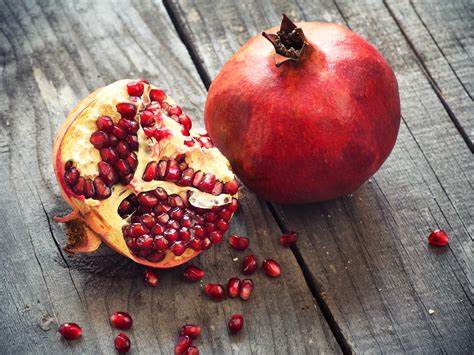
Pomegranates have been used to treat bad breath, sore throats, diarrhea, and fevers. The peel contains about 30 percent tannin, which is an active astringent substance. Pomegranate seeds are edible and are high in fiber. Key nutrients in pomegranates include calcium, phosphorus, iron, sodium, potassium, vitamin C, magnesium, fiber, fructose, glucose, sucrose, zinc, copper, vitamin B, vitamin E, folate, lipids and beta-carotene. Choose pomegranates that are heavy for their size, with a bright color and a blemish-free skin. Ripe pomegranates should be stored in the fridge and will keep for up to one month. The seeds, when packed tightly into an airtight container in the freezer, will keep for up to three months. Wash pomegranates under cool water before cutting them to rid them of any mold or bacteria, which can be carried on the knife from the skin into the fruit. Cut the fruit in half and pry out the seeds, removing any of the light-colored membrane that may adhere to them.

Raspberries are good for the liver, muscles, blood and kidneys and protect against viruses. Raspberries also balance the nervous system. Raspberries have been used to treat diarrhea, frequent urination, nervousness, and depression. The entire fruit is eaten! Key nutrients in raspberries include calcium, folate, phosphorus, iron, manganese, potassium, sodium, silicon, fructose, glucose, sucrose, zinc, vitamin C, vitamin E, fiber, copper, vitamin B, niacin, lipids, beta-carotene, alpha-carotene, tannin and pectin. Select raspberries with a uniform color. They should be plump and tender. Avoid ones that are mushy or bruised. Raspberries should not have stems or caps attached. Pass on berries that are leaky or moldy or are wet or have stained spots on the container. Once home, immediately remove any overripe berries as these will hasten the decaying process of the other berries. Raspberries should be used within two days after purchasing. Frozen, they will keep for up to twelve months. Sort the berries before serving and discard any that have turned bad. Wash them quickly under cold water. Do not wash berries until you are ready to eat them. They are very fragile and should be handled with care.

Strawberries can help prevent night sweats, lower blood cholesterol levels, dissolve tartar deposits on teeth and protect against viruses. Strawberries have been used in the treatment of strep infections, scurvy, anemia, eczema, diarrhea and acne. Strawberries contain salicylates, the same compounds used to make aspirin. Researchers believe these compounds may discourage the formation of unwanted blood clots. The entire fruit is eaten!! Key nutrients in strawberries include vitamin C, folate, potassium, vitamin B, iron, fiber, calcium, magnesium, phosphorus, sodium, fructose, glucose, sucrose, zinc, copper, manganese, lipids, vitamin E, pectin, beta-carotene, and gallic acid. Choose clean and dry berries with a full red color, bright luster, firm flesh and a cap stem still attached. Avoid berries with large colorless or seedy areas or a dull and shrunken appearance, or that are overly soft or have mold. Always open a container of berries upon bringing them home and remove any berries that overripe. Berries that are overripe will hasten the decaying process of the other berries. Strawberries should be used within two days after purchasing. They can be frozen and kept for up to twelve months. Wash strawberries thoroughly. They are at the top of the list of foods that have pesticide residue. Sort the berries before serving and discard ones that have turned bad. Wash the berries quickly under cold water, and remove the caps and stems. Do not wash berries until you are ready to eat them. A couple of words of caution: strawberries contain oxalic acid, which can aggravate kidney and bladder stones in some people. Oxalic acid may interfere with the body’s ability to absorb iron and calcium. If you take supplements of these minerals, do not take them at the same time you eat strawberries!

RECIPES:

Pomegranate Power Boat Smoothie. Take 1 pomegranate, juice of, 1 avocado, peeled and pitted, 10 strawberries, fresh or frozen, 3 teaspoons of Maca powder. Put all ingredients in a blender. Blend until you get a smoothie like consistency. Serve chilled.

Strawberry Citrus Infusion. Take 1 cup of sliced strawberries, 1 grapefruit or orange (or you can use 2 lemons or limes) sliced, 6 cups of water. Put the fruit into a pitcher and muddle for 1 minute if you wish. Add the water and chill for 1 to 8 hours before serving.

Sunny Strawberry and Cantaloupe Salad. Take 1 cup of sliced fresh strawberries, 1 cup of cubed cantaloupe, 1/2 cup of cubed low fat or skim mozzarella cheese, 2 tablespoons of raspberry vinaigrette, 1/2 cup of fresh raspberries, 1 tablespoon of sunflower seeds and thinly sliced fresh mint leaves (optional). Combine the cheese, cantaloupe and strawberries in a large bowl. Drizzle vinaigrette over the mixture and toss until coated. Add raspberries and stir gently; place sunflower seeds on top just before serving. Sprinkle mint on top if preferred.

Strawberry, Cucumber and Honeydew Salad. Take 1 container (16 ounces) of fresh strawberries, halved, 1 cucumber, halved lengthwise and cut into slices, 1 cup of cubed honeydew melon, 3 tablespoons of honey, 2 tablespoons of lime juice and 1 teaspoon of grated lime zest. Combine honeydew, cucumber, and strawberries in a large bowl. Chill till serving. Mix the remaining ingredients in a small bowl. Before serving, spoon over strawberries mixture. Gently toss to coat.

Have a wonderful start to your new week! Thank you for stopping by! Next week’s post will be the last installment of this series. We will showcase plums, tangerines, and watermelon! Then we will begin a journey exploring the world of grains and some great recipes! Stay safe and well!

“Successful and unsuccessful people do not vary greatly in their abilities. They vary in their desires to reach their potential.” John Maxwell

“Fabulous Fruits” Part Six

Hi Everyone! I do hope this post finds you continuing to stay safe, happy and healthy. Thanks for being here again. Tonight we continue on with our Fabulous Fruits. It is amazing how many beautiful fruits there are for us to enjoy and that fit everyone’s tastes and flavor palette! This post will showcase peaches, pears and pineapples!

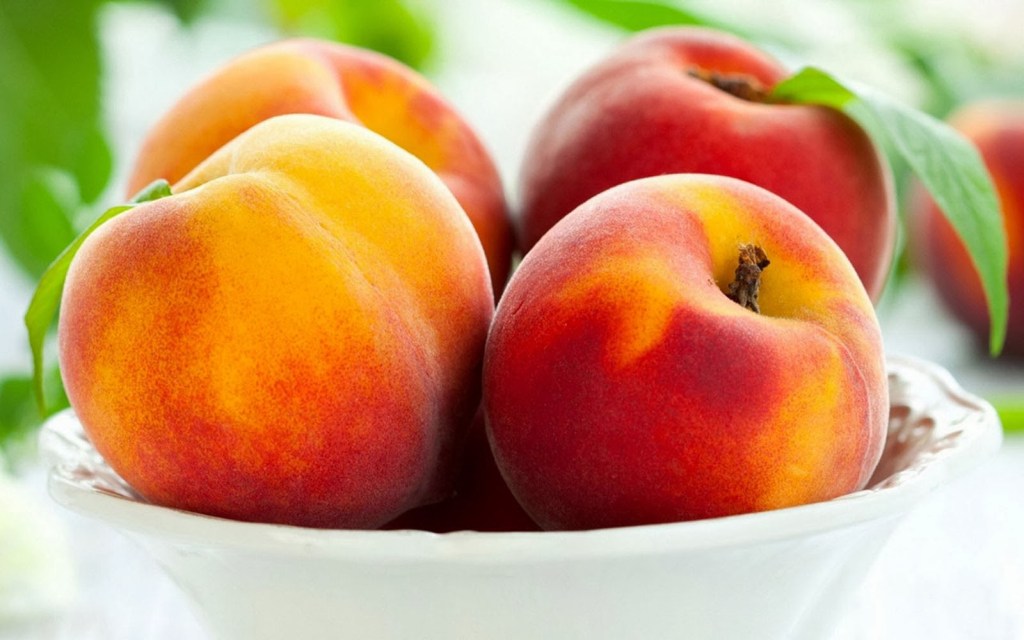
Adding peaches to your diet can aid the bladder, assist elimination, improve digestion, and relieve constipation. An interesting fact I have learned in my nature consultant studies: peaches are good for those suffering from cancer, heart disease and many types of illness because they are easily digested! Peached also contain salicylates, the same compounds used to make aspirin. Researchers suggest these compounds may discourage unwanted blood clots from forming. Key nutrients include vitamin C, potassium, fiber, magnesium, phosphorus, iron, calcium, sodium, manganese, silicon, fructose, glucose, sucrose, zinc, selenium, vitamin B, copper, folate, vitamin K, and small amounts of lipids. Choose mildly fragrant peaches that are firm or just a bit soft. The skin color between the red areas of the fruit should be yellow or creamy and the skins should be unwrinkled. Avoid hard fruit and peaches with green coloring. Avoid very soft fruit with large bruises or any sign of decay. Peaches ripen quickly if placed in a cardboard box and covered with newspaper. Ripe peaches should be stored in the crisper compartment of the fridge and will keep for three to five days. Eat them as soon as they are ripe. They do not store well. Wash peaches under cool water. Peaches can be eaten chilled or at room temperature.

Pears are useful in treating inflammation of mucous membranes, gallbladder disorders, arthritis and gout. Pears can also be beneficial in lowering high blood pressure, controlling blood cholesterol levels, and increasing urine acidity. They are good for the lungs and the stomach. (Side note: pears are very low on the glycemic index and my husband, who is a diabetic, loves these as one of his favorite fruits.) Most of the vitamin C and dietary fiber of the pear are contained within the skin of the fruit! Key nutrients in pears include vitamin C, folate, potassium, iron, fiber, vitamin B, calcium, magnesium, phosphorus, zinc, copper, fructose, glucose, sucrose, vitamin E, and beta-carotene. Choose pears that are well-colored for their variety and have few if any blemishes. Ripe pears will yield to gentle pressure at the stem end. Avoid pears that are soft at the blossom end of the fruit, shriveled at the stem end, or those with surface cuts or dark, soft spots. Pears should be ripened at room temperature and then placed in the fridge. Ripe pears will keep in the fridge for one to two days. Do not store pears in plastic bags as this will cause the fruit to brown at the core. Pears should be washed under cold water and eaten with their skin intact.

Pineapple works to cleanse the body, aid digestion, increase circulation and regulate the glands. Pineapples have a long list of benefits: treating inflammation, influenza, the common cold, sore throat, allergies, bronchitis, pain, diabetes, high blood pressure, arthritis, and liver ailments. Fresh pineapple contains bromelain, an enzyme that reduces inflammation in the body. Key nutrients in pineapple include vitamin C, vitamin B, folate, iron, magnesium, fiber, glucose, sodium, calcium, phosphorus, potassium, fructose, sucrose, zinc, copper, vitamin E, pectin, beta-carotene and lipids. Choose pineapples with a bright, dark green color. Ripe pineapples have a fragrant pineapple aroma and are firm, plump, and heavy when mature. Avoid fruit with a dull yellowish-green color, dried appearance, and soft spots. Do not buy any pineapples that smell sour or fermented. Ripe pineapple can be stored in the fridge in a plastic bag. It will keep for three to five days. Cut up pineapple can be stored in the fridge in an air-tight container and will keep for one week. Wash the pineapple under cool water and remove the leafy crown. Cut the pineapple in quarters and then remove the flesh from the skin!

RECIPES:

Mango Pineapple Salad with Mint. Take 2 cups of peeled, diced ripe mango, 1 cup of chopped fresh pineapple, 1/4 cup of dried cranberries, 1/4 cup of flaked coconut, and 1/4 sprig of chopped fresh mint. Mix coconut, cranberries, pineapple and mango together in a medium bowl. Top with mint for decoration. Cover and place in the fridge until ready to serve.

Fruit Punch Salad. Take 1 cup of green grapes, halved, 8 fresh strawberries, chopped, 1 fresh peach, chopped, 1/2 cup of fresh blueberries, 1/2 Granny smith apple chopped, and 1/2 orange, juiced. In a bowl, mix the apple, blueberries, peach, strawberries, and grapes together. Pour over the fruit salad with the orange juice and stir!

Cinnamon Pear Infusion Water. Take 2 ripe pears, pitted and sliced, 1 cinnamon stick and 8 cups of water. Put the fruit slices in a pitcher and muddle for 1 minute. Add the cinnamon stick and water. Chill for 2 to 12 hours before serving.

Pineapple Blast Smoothie. Take 1/2 pineapple, fresh, peeled and 1 cup of mint, fresh. Put all ingredients in a blender. Blend until you get a smoothie like consistency. Serve chilled.

Have a wonderful rest of your weekend and a smooth start to your new week. I hope it is productive! Next week’s installment will be all about pomegranates, raspberries and strawberries!

“Success seems to be connected with action. Successful people keep moving. They make mistakes, but they don’t quit.”

“Fabulous Fruits” Part Five

Hi Everyone and welcome back! I hope you have had a safe and health and happy start to 2022. Tonight’s post will be installment five of our “Fabulous Fruits” Series. Our stars tonight: nectarines, oranges, and papaya.

Nectarines are a useful fruit for controlling blood cholesterol levels and preventing constipation. Nectarines have powerful antioxidant properties because of their high levels of potassium, beta-carotene and vitamin C…TWICE THAT OF PEACHES! Caution: Avoid eating nectarine pits as they contain amygdalin, which is a compound that converts to cyanide in the stomach. Key nutrients in nectarines include potassium, vitamin C, fiber, calcium, iron, magnesium, phosphorus, sodium, zinc, copper, fructose, glucose, vitamin B, folate, and vitamin E. Select nectarines that have a rich color and a sweet fragrance. They should be plump and soft along the seam. The color should be deep yellow under a red blush. Avoid nectarines that are hard, dull in color, have shriveled or cracked skins or are overly soft. Ripe nectarines should be stored in the crisper compartment of the fridge and will keep for three to five days. Wash nectarines under cold water before eating them. They will taste the best when allowed to warm to room temperature.

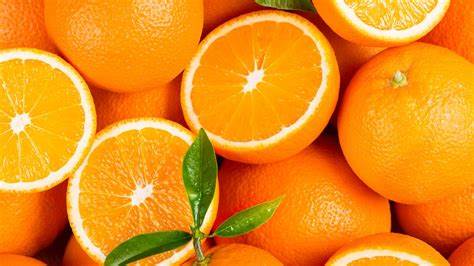
Oranges can help to cleanse the body, boost the immune system, lower blood cholesterol levels, prevent scurvy, combat fevers, dissolve gallstones, and lower high blood pressure. The high calcium in oranges promotes the formation of strong bones and teeth. D-limonene is found in oranges and is a natural cholesterol lowering substance. Key nutrients in oranges include vitamin C, folate, vitamin B, fiber, potassium, sodium, citric acid, fructose, glucose, sucrose, zinc, copper, iron, phosphorus, Sulphur, calcium, alpha-carotene, beta-carotene, pectin, limonene and much more. Oranges should be firm and heavy, with a fresh, bright, smooth skin. Avoid oranges that are lightweight; have a rough skin texture or dull, dry skin, have a spongy texture; have spots and discolorations on the surface of the skin. Interesting note: if picked green, oranges may cause arthritic-like joint pains because the citric acid in green oranges has not had time to be converted into fructose (fruit sugar). Green oranges also have lower vitamin C levels than properly ripened oranges. Oranges can be stored in the fridge or at room temperature for up to two weeks. If oranges are chilled, leave them at room temperature for at least thirty minutes before you juice or eat them. Wash oranges under cool water before slicing or peeling them to rid them of any mold or bacteria, which can be carried on the knife from the skin into the fruit.

Papaya assists digestion, protects mucous membranes from infection, constricts stomach ulcers, helps to ease inflammation, combats diarrhea and constipation. Papayas have two important antioxidants: Vitamin C and Vitamin A. Papaya breaks down unwanted substances, including uric acid and other toxic acids in the body. GREAT TIP: Papaya is good to add to infant formula to aid digestion! Key nutrients in the papaya include vitamin C, vitamin A, potassium, silicon, vitamin B, fiber, sodium, calcium, phosphorus, copper, iron, sulfur, magnesium, fructose, zinc, folate, vitamin E, beta-carotene and lipids. Select papayas that are yellow to orange-yellow in color. They should give slightly under gentle pressure, but they should not be soft or mushy at the stem end. The skin should be smooth, not bruised or shriveled. An uncut papaya should not give off any odor! Wash papayas under cool water before cutting them to rid them of any mold or bacteria, which can be carried on the knife from the skin into the fruit. Another great tip: papaya seeds can be cleaned, dried, and ground like peppercorns. Their peppery flavor makes them a good substitute for pepper. Sprinkle ground seeds over foods to add important digestive enzymes!

RECIPES:

GLAZED RADISH FRUIT SALAD. Take 2 carrots grated, 2 stalks of celery sliced, 2 apples grated, 6 radishes grated, 1 cup of raisins, 1/2 cup chopped dates, 1/2 cup of chopped dried apricot, 1/2 cup sliced almonds, 1 cup of low fat plain yogurt, 1/2 teaspoon salt, 1/2 cup of lemon juice, 1/4 cup of organic honey, 3/4 cup extra virgin olive oil, and 1 dash of sea salt. In a bowl, add all of the dried fruit, apples, vegetables and almonds and mix well. In a second bowl, add the remaining ingredients and mix until well combined. Place the dressing over the salad and toss to coat well. Refrigerate to chill completely. Enjoy chilled.

CARIBBEAN HONEYDEW AND GUAVA SALAD. Take 1/2 honeydew melon, peeled, seeded and sliced; 1/4 watermelon, peeled, seeded and sliced, 2 guavas seeded and sliced, 3 nectarines peeled and sliced, 18 strawberries hulled and sliced, 1 dash of toasted coconut, strained yogurt, syrup (such as a simple syrup with Truvia), 3 tablespoons sugar such as Stevia, 2/3 cup of water, 1 cinnamon stick, 4 cardamom pods crushed, 1 clove, 1 orange, juice, 1 lime, juice. For the syrup: in a bowl, add the water, sugar and cook until boiling. Cook for about 2 minutes mixing continuously. Remove from the heat and stir in the lime and orange juice. In a bowl, add the fruit and mix. Through a strainer, strain the cooked syrup over the fruit. Enjoy with a topping of the coconut alongside the strained yogurt.

ORANGE DATE SMOOTHIE. Take 2 mangoes, peeled and pitted, 1 cup of golden raisins, 1 orange, juice of, 6 dates pitted, 1 1/2 cup of coconut water. Put all ingredients in a blender. Blend until you get a smoothie like consistency.

MORNING DETOX SMOOTHIE. Take 1 grapefruit, juice of, 3 cups of kale fresh, 2 cups of spinach fresh, and 1/2 lime peeled. Put all ingredients in a blender. Blend until you get a smoothie like consistency.

I hope you enjoyed tonight’s post! Have a wonderful week. I look forward to “seeing” you back next week as we continue on with peaches, pears and pineapples!

“PERFECTION IS NOT ATTAINABLE, BUT IF WE CHASE PERFECTION WE CAN CATCH EXCELLENCE.” Vince Lombardi

“Fabulous Fruits” Part Four

Welcome back everyone! I hope the new week is off to a good start for you. Thank you for being here as we dive into part four of the “Fabulous Fruits” Series. Tonight our stars are lemons, limes and mangoes.

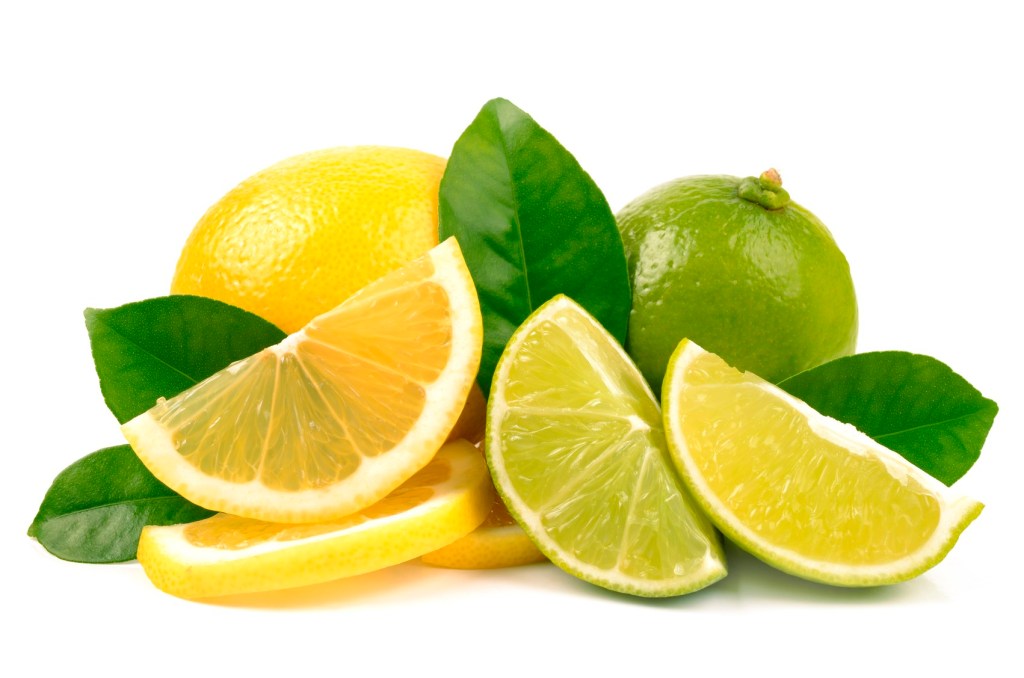
LEMONS. I love lemons. They are one of my favorite fruits. I work many hours a day and my favorite thing to do each day when I get home to rehydrate is to get a large glass of ice water and add the juice of half of a fresh lemon. Lemons cleanse the bloodstream and liver, aid digestion, boost the immune system, lower blood cholesterol levels, stimulate the liver, soothe insect bites and migraines and reduce inflammation. They are also very useful in the treatment of influenza, common cold, sore throat, asthma, diabetes, scurvy, and fevers. Lemons may help to dissolve gallstones. Great tip: the white part of the lemon peel can be rubbed against the gums to prevent bleeding. One handy tip that I like to do: take freshly squeezed lemon juice and put into ice cube trays, freeze and then store the cubes in plastic Ziploc bags in the freezer. The lemon juice cubes are great for adding to herbal teas or ice water or can be defrosted whenever you need fresh lemon juice. Key nutrients in lemons include vitamin C, fiber, fructose, glucose, sucrose, calcium, iron, phosphorus, potassium, citron, sodium, zinc, copper, vitamin B, lipids, pectin, and more. Select firm and heavy fruit with a rich yellow color. The skin should be smooth, with a slight gloss. Avoid lemons that are dark yellow or dull in color, have hardened or shriveled skin, contain soft spots, or have a moldy surface. Lemons can be stored at room temperature for two weeks, or in a plastic bag, in the crisper compartment of the fridge for up to six weeks. They can also be stored in a tightly sealed jar of water in the fridge. If lemons are chilled, leave them at room temperature for at least thirty minutes before juicing or eating them. Wash lemons under cool water before slicing or peeling to get rid of any mold or bacteria. To make it easier to juice them, roll lemons back and forth across the countertop for a few minutes. TIP: Submerge lemons in hot water for 15 minutes and they will yield nearly twice as much juice!! And lemons make a great addition as a marinade for tenderizing meats. Word of caution: People who have or are prone to urinary tract infections should avoid citrus fruits as they product alkaline urine, which encourages bacterial growth.

LIMES. The phytochemicals in limes boost the immune system, can lower blood cholesterol and lower high blood pressure. Limes may help to dissolve gallstones. Key nutrients in limes include vitamin C, fiber, calcium, iron, fructose, glucose, sucrose, magnesium, phosphorus, potassium, citron, sodium, zinc, copper, vitamin B, folate, amino acids, pectin, limonene, and beta-carotene. Select limes with a glossy skin and a heavy weight for their size. Limes should be dark green, without any yellow areas. Avoid limes with a dull, dry skin, soft spots or mold. Limes will turn a yellowish color as they ripen, but the best flavored ones are dark green. Limes should be stored in the fridge in a plastic bag for up to six weeks. If limes are chilled, you will get twice the amount of juice from them if you leave them at room temperature for at least thirty minutes or drop them in hot water for a few minutes before you juice or eat them. For better juicing, roll them back and forth as you would lemons to soften them. Wash limes under cool water before slicing or peeling them to rid them of any mold or bacteria. Limes have the same word of caution as lemons: People who have or are prone to urinary tract infections should avoid citrus fruits as they product alkaline urine, which encourages bacterial growth.

MANGOES. Mangoes aid poor circulation. Mango juice combined with papaya juice helps to ease inflammation, digestive problems, fever and pain. In parts of Asia, mango juice is used to relieve dehydration. Mangoes are one of top fruit sources for beta-carotene, in addition to having a very high vitamin C content. Key nutrients in mangoes include vitamin C, vitamin E, potassium, fructose, glucose, iron, fiber, calcium, copper, vitamin B, folate, and small amounts of lipid acids and amino acids. Select mangoes that yield slightly when gently pressed, and have a flowery fragrance. The skin should be a deep or grass green, and have a blush or either red or orange-yellow. Avoid mangoes that have large black spots or loose or shriveled skin. Mangoes should be juicy when ripe. Ripe mangoes can be stored in the fridge for up to one week. Wash mangoes under cool water before consuming or slicing them. Mangoes are great in sauces and chutneys, when baked in custards, pies, breads, or muffins or used in toppings.

RECIPES.

LEMON VANILLA INFUSION. Take 1 vanilla bean, 3 lemons sliced, and 8 cups of water. Put the vanilla bean in a pitcher and muddler or crush slightly. Add the lemons and water. Chill for 1 to 8 hours before serving.

FIVE SPICE MANGO SALAD. Take 1 medium ripe mango sliced, 1 medium ripe banana, sliced, 3/4 to 1 cup sliced strawberries, 1 medium apple, sliced, 3 tablespoons of sugar substitute such as Splenda, 1/4 teaspoon of Chinese five spice powder, 1/4 teaspoon of vanilla extract and 1 teaspoon of lemon juice. In a bowl, add all of the ingredients and mix well. Cover the bowl and refrigerate for about 2-4 hours. Enjoy chilled.

FRESH START SMOOTHIE. Take 1 grapefruit (juice of), 2 cucumbers fresh, 1 cup of mint, fresh, and 1/2 lime peeled. Put all ingredients in a blender. Blend until you get a smoothie like consistency. Serve chilled.

LIGHT START SMOOTHIE. Take 1/2 watermelon, peeled and pitted, 1 lime peeled and pitted. Put all ingredients in a blender. Blend until you get a smoothie like consistency. Serve chilled.

Have a wonderful second half to your week and please stay safe and well!

Thought for everyone for your new week: “LET THE IMPROVEMENT OF YOURSELF KEEP YOU SO BUSY THAT YOU HAVE NO TIME TO CRITICIZE OTHERS.”

juicy lemons and limes on a white background
Design a site like this with WordPress.com
Get started