“Fabulous Fruits” Part Three

Hi Everyone! Happy Wednesday and “middle of the week” to you all! I hope you are enjoying the Christmas season. Tonight we are onto Part Three of our “Fabulous Fruits” Series and we will showcase grapefruit, grapes and kiwi!

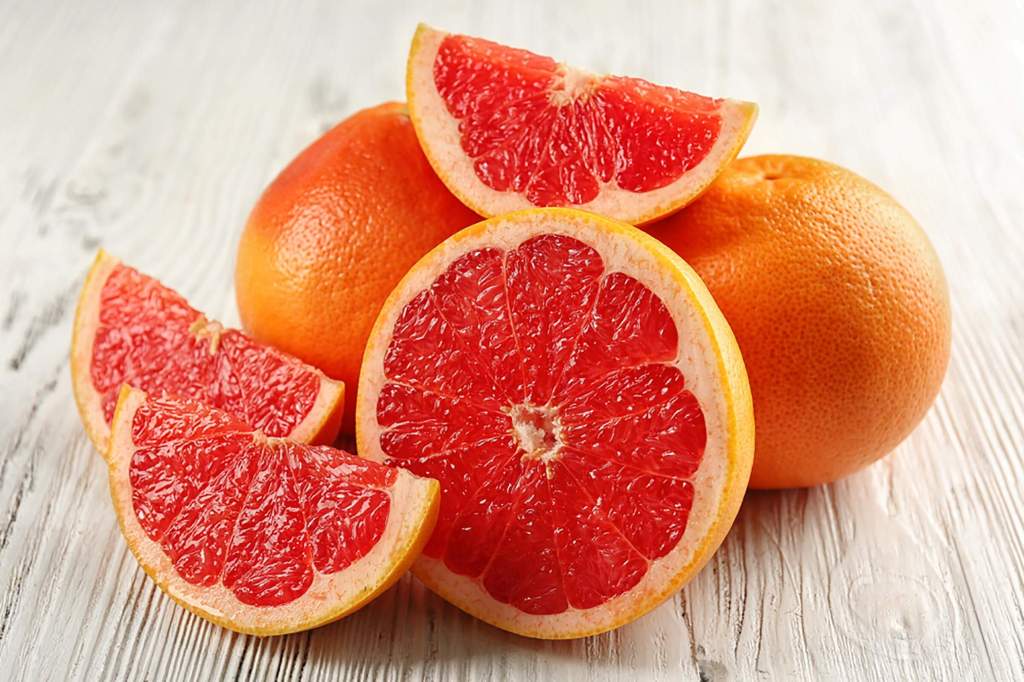
In addition to being delicious, grapefruit is a great fruit for a variety of reasons. Its nutrients work to protect the arteries, the pectin content lowers blood cholesterol and high blood pressure, and it aids digestion, feeds the good bacteria in the intestines, and boosts the immune system. Grapefruit is also a wonderful inflammatory and works to cleanse the liver and gallbladder. Key nutrients in grapefruits include potassium, folate, fiber, iron, fructose, glucose, sucrose, vitamin C, magnesium, sodium, zinc, copper, vitamin B, calcium and small amounts of lipids. Select smooth glossy, round, firm, thin-skinned fruits that are heavy for their size and have slightly flattened ends. Skin defects such as scars and discolorations do not affect the quality of the fruit. Avoid grapefruits that are coarse-skinned, soft, puffy or pointed at one end. Grapefruits can be stored at room temperature for up to a week or in the fridge for six to eight weeks. And grapefruit is juiciest when slightly warm rather than being chilled! Wash grapefruits under cool water before cutting to rid them of any mold or bacteria. ****WORD OF CAUTION! Grapefruit juice can interact with or boost the strength of certain medications. It is recommended that you consult with your doctor concerning any possible complications if you take medicines with grapefruit juice. Interesting fact: grapefruit seeds yield a natural antibiotic that is a good alternative to pharmaceutical antibiotics. Grapefruit seed extract, produced by grinding the seeds, fights bacteria as well as viruses. You can either add liquid extract to fresh juice or take it in capsule form with a full glass of liquid. Be careful to dilute the liquid form before drinking as it is very strong and may burn the mouth or throat.

Another fruit that makes a great snack but packs a powerful punch is the grape! Grapes can help combat toxins in the body, regulate blood cholesterol, and improve circulation. They are also useful in having a cleansing effect on all tissues and glands, and can aid in the treatment of constipation, low blood sugar and edema. Grapes are wonderful for the skin and strengthen the bladder and kidneys. Interesting fact: grapes contain salicylates, the same compounds used to make aspirin! Key nutrients include iron, potassium, phosphorus, calcium, sulfur, sodium, fructose, glucose, vitamin C, fiber, zinc, copper, boron, manganese, vitamin K, folate, pectin, lycopene, and beta-carotene. Select well-colored, plump grapes, that are firmly attached to moist, flexible stems. Avoid soft or wrinkled grapes and grapes with lighter areas around the stem end. Remove any spoiled ones and place unwashed grapes in a plastic bag in the fridge. Fresh grapes can be stored for up to one week in the fridge. Wash grapes under cold water and remove any damaged fruit. Do not wash the grapes until you are ready to eat them.

Kiwi is a slightly tart fruit. It contains pectin, a soluble fiber, which helps to control blood cholesterol levels. Kiwi is also useful for controlling high blood pressure. FUN NUTRITIONAL FACT: One large kiwi has only 46 calories and supplies more than TWICE the recommended dietary allowance of vitamin C. That’s more vitamin C than one medium-sized orange, half of a grapefruit, or a cup of strawberries, and well as vitamin K and potassium. This fruit is considered a powerhouse of nutrients for its size! Key nutrients include vitamin A, vitamin B, vitamin C, vitamin K, calcium, phosphorus, sodium, folate, fructose, sucrose, potassium, magnesium, and pectin and beta-carotene. Select kiwi that is plump, fragrant, and yields to gentle pressure. Avoid ones that are shriveled, pulpy, bruised or have wet spots. Ripe kiwi will keep for two to three weeks and can be stored at room temperature or in the fridge. ***NOTE: do not store kiwi with other fruits will cause kiwi to become overripe. However, if you want to speed up ripening, place kiwis in a paper bag with a banana or an apple for a few days. Wash kiwi under cold water before cutting it to rid it of any mold or bacteria. Kiwi can be peeled and sliced or the inside scooped out with a spoon. Because of its high vitamin C content, kiwi does not discolor when cut and makes a beautiful garnish!

RECIPES:

Mellow Melon Smoothie. Take 1/2 melon, peeled and pitted and 1 lime peeled and pitted. Put all ingredients in a blender. Blend until you get a smoothie like consistency. Serve chilled.

Grapefruit Vanilla Infusion. Take 1 vanilla bean and 1 grapefruit, sliced, and 8 cups of water. Put the vanilla bean in a pitcher and muddle if desired. Add the grapefruit slices and the water. Chill for 2 to 12 hours before serving. (Note: If you need to add sweetness, stevia or honey works well!)

Fruit Salad Manila. Take 1 pound of jicama, peeled and julienned, 2 fresh pears cored and julienned, 20-25 seedless grapes halved, 1 tablespoon of lemon juice, 2 packets of a sugar substitute such as Splenda, and 1/4 cup of fat free half and half and 1/2 teaspoon of cinnamon. In a bowl, add the pears, grapes, and jicama and mix. Add the lemon juice, half and half, sugar substitute and cinnamon and gently stir to combine. Cover the bowl and refrigerate to chill for about 3-4 hours. Stir the salad and enjoy.

California Fruit Salad. Take 2 ripe avocados, peeled and pitted and cubed, 4 tart apples cored and cubed, 2 peaches pitted and cubed, 1 grapefruit peeled and chopped, 1 and 1/2 tablespoons of honey, 1 and 1/2 tablespoons of lemon juice, 1 tablespoon of toasted chopped pecans and lettuce and radicchio leaves. In a bowl, add the avocados, apples, peaches, grapefruit, honey, and lemon juice and gently toss to coat. Divide the lettuce and radicchio leaves onto serving plates and top each with salad. Enjoy with a topping of the pecans.

Have a wonderful start to your new week! May it be productive and may you stay safe and be well. Thanks for stopping by. Next week will be lemons, limes and mangoes!
“Fabulous Fruits” Installment Two

Hello Everyone and welcome back to the next installment of our Fabulous Fruits series. I hope your Thanksgiving was a blessed one, however you chose to spend the day.

Tonight we showcase three more fruits in our series: cantaloupe, cherries and cranberries. Some new recipes are at the end of this post.

CANTELOUPE. Canteloupes, also known as muskmelon, can help to lower blood cholesterol levels and high blood pressure. They can also boost immune health and aid liver health. Canteloupes also have anti-inflammatory properties. Key nutrients in cantaloupe include folate, fiber, vitamin C, potassium, fructose, sucrose, zinc, copper, manganese, vitamin B, vitamin E, and small amounts of lipids. Interesting note: Canteloupes have more beta-carotene than any other type of melon. Choose canteloupes with a thick, coarse corky surface, with veins standing out over a slightly golden colored rind. They should have a fruity aroma and round shape. A good cantaloupe will not have a stem and it will yield slightly to thumb pressure on the nonstem end. Avoid canteloupes with a very yellow or green rind color, irregular shapes, softening over the entire rind and any mold growth. Store canteloupes at room temperature for up to four days, then refrigerate for up to five days. Refrigerate cut up melon in a covered container for up to three days. Wash the cantaloupe under cool water before cutting to cleanse it of any mold or bacteria, which can be carried on the knife from the skin into the fruit. Cut the melon open and remove the seed and strings.

CHERRIES (SWEET). Cherries have shown to be helpful in the treatment of rheumatism, arthritis, and gout. Black cherry juice is excellent for gout, and prevents tooth decay by stopping plaque formation. They can also benefit the glandular system and remove toxic waste from tissue and aid in the function of the gallbladder and liver. Key nutrients in cherries include vitamin C, potassium, calcium, iron, magnesium, phosphorus, fructose, glucose, sucrose, zinc, copper, vitamin B, folate, vitamin E, fiber, and beta-carotene. Choose cherries that have been kept cool and moist. The flavor and texture of cherries suffer at warm temperatures. Select cherries that have a very deep maroon, red or black color. The surfaces should be bright, glossy and plump looking. Stems should look fresh and green. Avoid fruit that is shriveled or has dried stems. Pass on any cherries that have soft looking flesh, brown discolorations, or obvious signs of mold growth. Cherries should be stored dry in the refrigerator loosely packed in plastic bags. Fresh cherries will keep for approximately one week in the fridge. Cherries can be frozen and kept for up to 12 months. Wash cherries under cold water. You can pit cherries by cutting them in half and removing the pit with the tip of a knife.

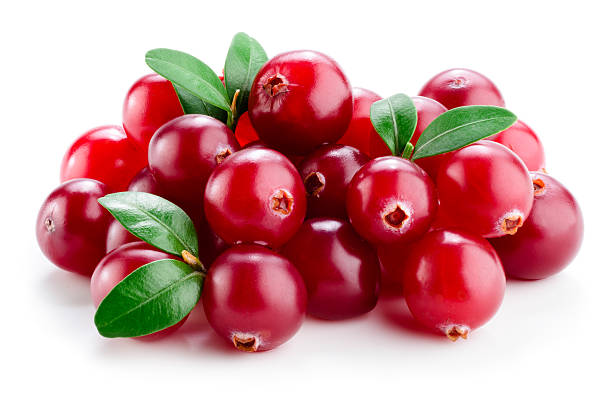
CRANBERRIES. Cranberries are good for the kidneys, bladder, and skin. They are useful for the treatment of asthma, kidney stones and bladder stones. They are also a good intestinal antiseptic. Natural compounds in cranberries keep bacteria from adhering to bladder cells. This activity also the bacteria to be suspended in the bladder and then eventually flushed from the body, thus preventing bladder infections. Interesting fact: Canned cranberry sauce contains up to 86 percent less Vitamin C than an equal amount of fresh cranberries. Key nutrients in cranberries include vitamin C, fiber, citric acid, malic acid, calcium, iron, phosphorus, potassium, sodium, zinc, copper, vitamin E, and lipids. Cranberries are usually sold packaged in plastic bags. Select a bag containing firm, bright red berries. Avoid bags than contain pale berries and debris. At their peak, cranberries will bounce if dropped. Cranberries will keep for up to one month in their original packaging, stored in the fridge. Cranberries can also be frozen, in their original packaging for up to one year. Sort the berries before serving, and discard any berries that have turned bad. To clean cranberries, place them in a basin of cold water. Any twigs, leaves, or unripe berries will float to the surface and can be skimmed off. Do this quickly so that the berries do not become waterlogged. Do not wash berries until you are ready to eat them.

RECIPES

Raw Vegan Fruit Salad. Take 1 (12 ounce) package of romaine lettuce, cleaned and torn. 1 (7 ounce) package baby spinach leaves, cleaned. 3/4 cup of sliced strawberries, 1/2 cup of pineapple, 1/2 cup of mandarin oranges, 1/4 green onion sliced, 1 cup of raw almonds, and 1/3 cup of sugar (I use either Truvia or Monk Fruit). For the glazed almonds, place a heavy skillet over high heat until heated through. Add the almonds and sugar and cook until sugar is melted mixing continuously. Remove from the heat and transfer the glazed almonds onto a plate. Keep aside to cool completely. After cooling, break the glazed almonds into pieces. For the salad, add all the ingredients into a bowl and mix well. Enjoy with a topping of the glazed almond pieces.

Big Backyard Party Melon Salad. Take a 20 pound watermelon, 2 canteloupes, peeled and cubed, 1 honeydew, peeled and cubed, 1 pineapple cut into chunks, 2 pints of strawberries, hulled and quartered, 2 pints of blueberries, 1 pint of raspberries, 1 bunch of red grapes and 1 bunch of green grapes. With a melon carver, cut the top third of the watermelon and make a decorative edge of your choice. With a scooper, scoop the watermelon flesh and transfer into a bowl. In the bowl of watermelon, add the remaining fruit and mix. Transfer the fruit mixture into the watermelon basket and enjoy.

Canteloupe Water. Take 1/2 ripe cantaloupe, peeled and cubed and 8 cups of water. Put the cubed cantaloupe into a pitcher. Muddle the fruit by crushing it slightly with a wooden spoon. Pour in the water and chill for 1 to 12 hours before serving.

Honeydew Orange Basil Infusion. Take 1 orange, 2 cups of honeydew melon flesh, cut into chunks, 3 to 5 large fresh basil leaves, and 8 cups of water. Put the fruits into a pitcher. Muddle with a wooden spoon or muddler, the add the basil and water. Chill for 1 to 12 hours before serving.

Have a wonderful start to your new week! I look forward to next week’s post which will feature grapefruit, kiwi and grapes! Stay safe and well!

‘YOU ARE NEVER TOO OLD TO SET ANOTHER GOAL OR TO DREAM A NEW DREAM.”

Cranberry with leaves isolated on white.

“Fabulous Fruits” Part One

Good evening everyone and happiest of Saturdays to all of you! I hope you are having a wonderful weekend. Tonight is the first official installment of our Fabulous Fruits series. Let’s explore all things fruity! 🙂

APPLES. Studies have shown that one apple, eaten whole with the skin, has about 3.6 grams of fiber, nearly 17 percent of the recommended daily dietary fiber intake. This can contribute substantially to good colon health if eaten daily. Apples can help detoxify metals in the body, protect against heart disease, clean the bladder, lower cholesterol and blood pressure, and stabilize blood sugar. Key nutrients in apples include vitamin B, vitamin C, iron, potassium, sodium, phosphorus, calcium, sulfur, magnesium, fiber, fructose, glucose, zinc, copper, thiamine, riboflavin, niacin, vitamin E, beta carotene, pectin, and much more! Place apples in plastic bags and store them in the crisper drawer of the fridge. Apples purchased in good condition should keep for up to six weeks in the fridge. Wash apples thoroughly before using them. Apples are on the list of produce with heavy pesticide residues. If the fruit has been waxed, peel the skin before consuming. To prevent the flesh from browning if it is not eaten immediately, rub the cut surfaces of the apple with a mixture of lemon juice and water.

BANANAS. Bananas are good for the nerves, muscles, liver, and kidneys and they feed the good bacteria in the colon. They also help to lesson pain, aid sleep, and enhance immune function. Bananas are an excellent food for children and people who are recovering from illness. ***With the exception of avocados (which contain more fat) and dates (which have 60 percent more calories), BANANAS CONTAIN MORE POTASSIUM BY WEIGHT THAN ANY OTHER FRUIT. Key nutrients in bananas are potassium, folate, vitamin C, vitamin B, biotin, vitamin D, vitamin E, sodium, calcium, iron, zinc, copper, fiber and small amounts of lipids and amino acids. Select bananas that are free of bruises or obvious injury and that have intact stem ends and skins. The best eating quality is when the skin is solid yellow and newly speckled with brown spots. Ripe bananas can be stored at room temperature for two to three days or in the fridge for up to two weeks. The skins will darken in the fridge but the flesh will be perfectly edible. Overripe bananas can be peeled, covered in plastic wrap, and frozen to be used later in baking. After peeling the banana, wash your hands with soap and water before eating it. Bananas from some countries are heavily sprayed. Dip the flesh in orange, lemon, or lime juice to prevent browning after peeling.

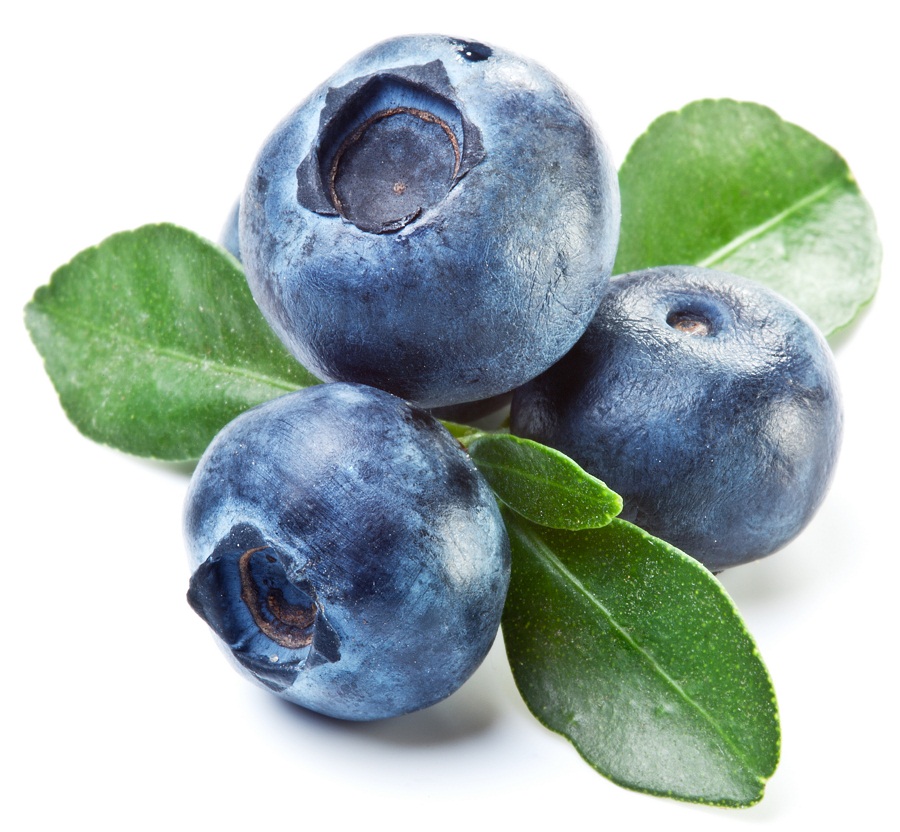
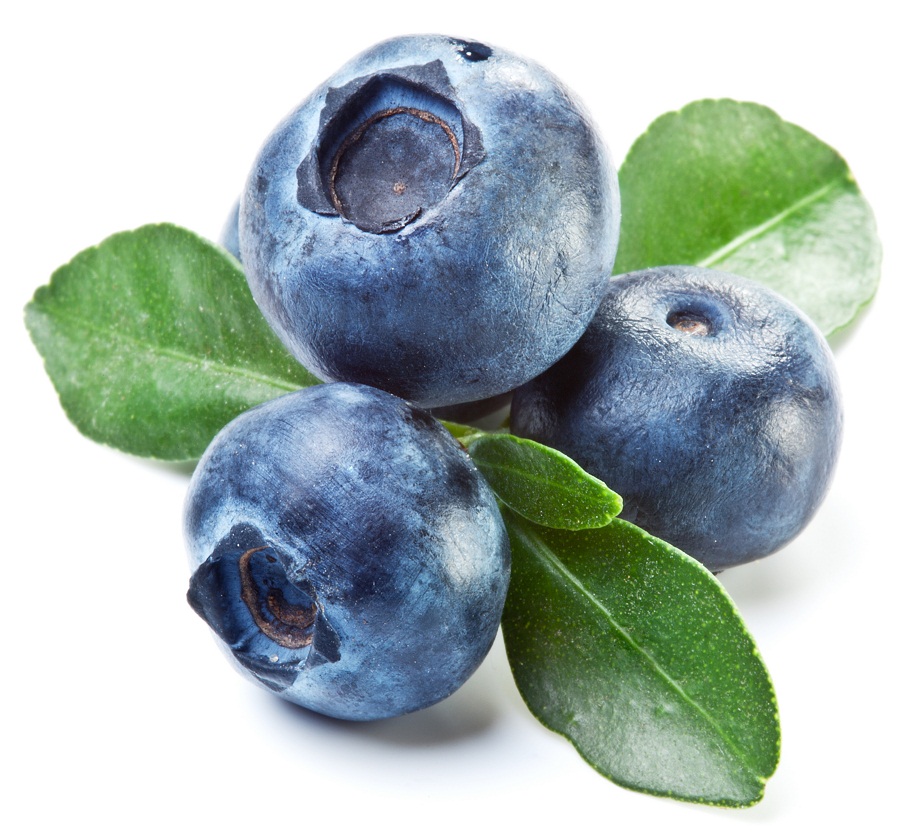
BLUEBERRIES. Blueberries are at the very top of the list for antioxidant-rich foods. They can be beneficial for tinnitus, intestinal upsets, eye disorders, and urinary tract infections. They promote heart health and aid the lymphatic system. The manganese in blueberries aids in keeping bones strong and the high amount of vitamin C makes blueberries a powerful antioxidant and supporter of the immune system. The pigment released from the blueberry’s skin may be the most valuable nutrient in the berry, as it contains powerful antioxidants called anthocyanins. Key nutrients include fiber, vitamin C, folate, iron, potassium, calcium, phosphorus, sodium, zinc, copper, fructose, glucose, sucrose, vitamin B, vitamin E, silicon. Select blueberries with a uniform dark bluish gray color with a silvery bloom. Blueberries should be plump, firm, uniform in size, dry and free from stems, caps and leaves. Avoid moldy, bruised, or green berries. If you cannot find fresh blueberries, buy frozen ones. They are just as nutritious!!!! Note: wild blueberries have more skin than flesh; however, both the wild and cultivated variety contain powerful antioxidants that have the same health benefits. Blueberries can be stored for longer than most other berries, up to ten days in the fridge for fresh, sound blueberries and ten to twelve months for frozen ones. Do not clean blueberries until you are ready to use them. To clean blueberries, place them in a basin of cold water. Any twigs, leaves or unripe berries will float to the surface and can be skimmed off.

RECIPES:

Apple Raisin Crisp. Take 5 cups cored, sliced applies, 1 teaspoon cinnamon, 1 cup pure maple syrup or honey, 1 cup of quick cooking oats, 1/2 cup of expeller pressed vegetable oil, 1/2 cup raisins, and 1 cup of chopped nuts. Preheat the oven to 350 degrees. Lightly oil a shallow baking pan. Place sliced apples over bottom and sprinkle with cinnamon. Mix together the remaining ingredients, except for the nuts. Spread the mixture over the apples. Top with the nuts. Bake for thirty to thirty-five minutes. Serve warm. ***A great variation: instead of the oat topping, you can crumble oatmeal cookies on top and bake as above!

Joplin Berry Salad. Take 2 cups of plain yogurt, 2 tablespoons of good honey, 1/2 teaspoon of pure vanilla extract, 1/2 vanilla bean seeds scraped, 1/2 orange juice, 1 banana sliced, 1/2 pint of fresh blueberries, 1/2 pint of fresh raspberries, 1 pint of fresh strawberries, hulled and halved, and 1 bunch of seedless grapes, halved. In a bowl, add the honey, yogurt, vanilla bean seeds and vanilla extract and mix until well combined. In another bowl, add the banana slices and orange juice and gently stir to combine . Add the grapes and berries and gently stir to combine. Enjoy with a topping of the yogurt mixture.

Happy Fruit Salad. Take 1/2 cup of sour cream, 1/4 cup of frozen orange juice concentrate thawed, 2 teaspoons of honey, 1 cup of strawberries halved, 1 cup of red apples, sliced, 1 cup of seedless grapes, 1 (11 ounce) can of mandarin oranges segments, well drained, and mixed salad greens. In a bowl, add the honey, sour cream, and orange juice, and beat until well combined. In the bottom of a bowl, arrange the salad greens, and top with the fruit. Enjoy with a topping of the dressing.

Have a Happy and Blessed Thanksgiving week! Next week will be installment two: cantaloupe, cherries, and cranberries!

“We can complain because rose bushes have thorns, or rejoice because thorn bushes have roses.”

New Series – “Fabulous Fruits” Intro!

Happy Wednesday Everyone and Happy Veteran’s Day early. Welcome to the new month of November! I do hope you all are safe and well and finding ways to enjoy the start of the Thanksgiving season. Tonight will be the first post is our new series “Fabulous Fruits”, one of my favorite things to eat!

Fresh fruits and berries add variety, color, and wonderful nutrition to any meal. Fruits are considered a superfood because of the vitamins, minerals and phytochemicals they contain. Most fruits are 80 to 95 percent water and are naturally low in calories and fat. All fruits also contain soluble fiber which helps lower blood cholesterol and regulate sugar. Many others contain high amounts of vitamin C, potassium, iron, calcium and magnesium and beta-carotene. Deep-colored fruits are rich in anti-oxidants and berries top the list for foods that aid in the prevention of many physical disorders.

Some Helpful Tips and Guidelines:

Buy certified organic whenever possible as these fruits are grown without synthetic pesticides and fertilizers, so there is little risk of exposure to residues of these chemicals. At first, when I began my natural health quest, I thought the cost of organic was prohibitive. But then I learned that pound for pound, quality fruits and vegetables are still less expensive than most meat products.

When selecting fruit, avoid any with large bruises, visible mold, or soft, mealy or mushy flesh. Watch for any mold or mushiness around fruit stems, etc. This is particularly important with melons.

Most fruits should be firm and well colored. Fruit skins should be smooth, not bruised or shriveled. Do not buy fruit with broken flesh, cuts or punctures. This can affect ripening and can allow bacteria or other germs to enter.

Berries should be high in color, plump, firm and uniform in size.

Once a piece of fruit is cut, exposure to oxygen and light starts to destroy vitamins, especially vitamin C. For optimum nutrition, cut fruits just before serving, preparing only enough for that day. If necessary, leftovers can be frozen for use later in baked goods or juices. Place berries on a baking sheet and separate them. Then place the sheet in the freezer until the berries are frozen. You can then place them in a storage container. This way, they may be taken out as needed per serving with no large clumps.

If you need to ripen fruit quickly, place it in a paper bag. This traps ethylene gas produced by the fruit, which acts as a ripening agent!

Most fruit should be washed in cool water before refrigerating or storing at room temperature, even if you plan to peel it before eating. This is because the blade of the knife you use to peel or cut fruit can pick up pesticide residues, bacteria and other things from the rind and transfer it to the pulp. Sort out stems, caps, twigs, etc while washing fruit.

NOTE: Unlike most fruits, berries should not be washed immediately, as this promotes the growth of mold. Instead, place a paper towel around berries and put them in a container to keep moisture down. Rinse berries quickly in cool water and pick out any stems or leaves just prior to serving.

RECIPES:

HONEY FRUIT BOAT (This is a great recipe that I have used for ladies’ luncheons, Thanksgiving, and my daughter’s graduation party!)

2 cantaloupes or honeydew melons, 2 red sweet grapefruits, 1 cup of honey, 1 cup of finely grated coconut, 3 tablespoons lemon juice, 1 pint fresh strawberries, 2 bananas, sliced, 1 small bunch of seedless grapes, 1 pint of fresh blueberries, 1 cup of creamy yogurt, and 1 cup of chopped nuts (optional). Cut the melons in half and remove the seeds. Peel the grapefruits and pull them apart by segments. Coat the segments in honey, roll in finely grated coconut and set aside. Mix the lemon juice and the remaining honey and coconut together. Halve the strawberries and slice the bananas. Stir them together with the grapes and blueberries into the lemon juice mixture. Spoon the coated fruit (except for the grapefruit) into the melon halves. Top each with 1/2 cup yogurt and arrange the coated grapefruit pieces on top. Sprinkle with nuts, if desired.

FROZEN BANANA SUPREME (This is a quick and easy and delicious recipe. It is great for kids. You can also substitute granola, crushed cereal for the nuts.)

1 cup of carob pieces, 2 tablespoons of expeller-pressed vegetable oil, 3 peeled bananas, cut in half crosswise and frozen, 1 cup of finely chopped nuts or other topping. Melt the carob pieces and vegetable oil together in a double broiler. Pour the melted carob into a tall glass. Dip each banana half in carob coating, then roll in your selected topping. Return coated bananas to the freezer until the carob has hardened. Keep them frozen until ready to serve.

CRANBERRY LIME INFUSION. (Because of the colors in this infusion, it is a favorite at my holiday meals.)

Take 1/2 cup of fresh cranberries, 2 limes, sliced, 6 cups of ice cubes and 2 cups of water. Pierce the cranberries carefully with the tip of a knife and put them in a pitcher. Add the sliced limes and pour the ice on top of the fruit. Pour in the water and chill for 1 to 12 hours before serving.

Have a wonderful rest of your week! Next week will be Part One of our Fruit Series. We will showcase apples, bananas and blueberries with some new recipes for “fruity” eating!

“THE BEST VIEW COMES AFTER THE HARDEST CLIMB.”

“All About the Veggies” Part Six

Happy Sunday Everyone and Happy Halloween! I hope you are having a safe and fun holiday.

Tonight is the last installment of our “All About the Veggies” Series. We will showcase Radishes, Eggplant and in keeping with Halloween today, Pumpkin!

RADISHES. Radishes stimulate the appetite, relieve respiratory infections, cleanse the liver, and are a natural diuretic. In Chinese medicine, radishes are used to promote digestion, break down mucus, soothe headaches and heal laryngitis. The juice of a radish is mixed with ginger juice to cure laryngitis. For sinusitis, drink the juice of six radishes, one cucumber and one apple. This is also a beneficial drink as well for the liver! Radishes contain salicylates, the same compounds used to make aspirin. The part of the plant that is eaten is the root. A great quality of radishes is the that they are low in calories and they are also a great source of vitamin C. They are also added to salads for zest and crunch. The Japanese or oriental radish has a richer taste and is used to flavor soups and stews. Key nutrients include calcium, iron, magnesium, phosphorus, potassium, sodium, zinc, copper, vitamin C, vitamin A, vitamin E, fiber, and folate. The familiar red globe variety should be bright red and small to medium sized. Black radishes should have a smooth and glossy appearance and feel heavy for their size. All radishes should be free of cracks or blemishes. If the greens are attached, they should be crisp and green with no signs of wilting. The roots should be smooth and firm. Remove the tops before storing and radishes will keep better. Red globe and daikon radishes will keep for one to two weeks in sealed plastic bags in the fridge. To prepare radishes, remove the root and tops of the radishes with a knife and scrub them with a brush under cool running water. The oils that give radishes their peppery taste are in the skin so peel them to tone down the pungent flavor.

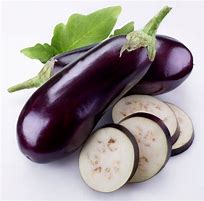
EGGPLANT. Eggplant is believed to enhance immunity and help lower cholesterol. Eggplant is diuretic and antibacterial, and may counteract the effects of fatty foods. It is thought to bind cholesterol in the intestinal tract so that fat is not absorbed into the bloodstream. The Chinese use eggplant to aid the function of the large intestines, spleen, and stomach. The entire fruit is eaten. Key nutrients include calcium, iron, magnesium, phosphorus, potassium, sodium, zinc, copper, vitamin C, fiber, folate, and beta carotene. Several types of eggplant for available. The most common type is the purple-black, oval-shaped variety. The slender, elongated variety often referred to as Japanese eggplant is slightly sweeter and not as likely to be bitter. Regardless of the variety, eggplants should be firm, weighty, free of scars or cuts. The skin should be smooth and free of wrinkles. When you press an eggplant with your thumb, any indentation should quickly fill back out. Unwashed, uncut eggplant will store for up to three days in the crisper compartment of the fridge. To prepare it, gently wash the eggplant under cool running water. Remove the stem and cap with a sharp knife. Eggplant may be cooked with or without the skin as a matter of personal preference. To avoid bitterness, slice or dice the eggplant, lightly sprinkle it with salt, then place it in a colander to drain the natural juices for a half hour. Rinse the eggplant and pat dry with a paper towel before cooking. You should never fry eggplant. It soaks up oil more than any other vegetable (almost like a sponge!). Instead, you can grill, roast, oven bake or sauté with a small amount of canola oil. (One word of caution! If you are someone who suffers greatly from arthritis, it is recommended you avoid eggplant as it is considered a nightshade vegetable which has glycoalkaloids and can block valuable calcium which is a mineral already depleted in people with arthritis.)

PUMPKIN. One of my favorite flavored foods!! (Pumpkin spice anyone!) Pumpkin is believed to help fight infections and maintain fluid balance. The seeds are high in protein and contain a significant amount of vitamin E, iron, and vitamin B(6). The flesh is the part that is most commonly eaten, but the seeds and flowers are edible also. Key nutrients in pumpkin include calcium, iron, magnesium, phosphorus, potassium, sodium, zinc, copper, vitamin C, vitamin E, fiber, folate, and amino acids, and beta carotene. Look for pumpkins with a rich orange color that are free of blemishes or soft spots. The surface should be smooth and dull, a shiny rind indicates immaturity. The more mature a pumpkin is, the sweeter the meat. Pumpkins can be stored in a cool, dry place for up to one month. Refrigerate the pumpkin hastens the ripening process and promotes deterioration. To prepare fresh pumpkin, first rinse the outer shell to remove any mold or debris. Pierce the rind all the way through. Cut the pumpkin in half, then scoop out the seeds and any stringy fibers. Cut into smaller chunks and remove the rind from each chunk. Then you can steam, boil or puree. Or you can bake an entire pumpkin in the rind cutting out a lid and with a spoon scooping out the seeds and fibrous membrane. Bake it at 350 degrees until tender. Also, wash the seeds to remove any trace of pulp or fiber. Allow them to dry thoroughly and bake on a lightly oiled cookie sheet at 250 degrees for one hour.

RECIPES:

Shaved Cucumber and Radish Salad. Take 1/2 cup of extra virgin olive oil, 2 tablespoons apple cider vinegar, juice of 1/2 lemon, 1 tablespoon of honey, 1/8 teaspoon of salt, 1/8 teaspoon of pepper, 4 medium radishes, thinly sliced, 2 small cucumbers, thinly sliced, and 1/2 red onion, thinly sliced. In a small bowl, whisk together the olive oil, apple cider vinegar, lemon juice, honey, salt, and pepper. In a large bowl, combine the radishes, cucumbers, and onion. Pour in the dressing and toss to combine. Serve immediately or store in the fridge for up to 5 days.

Baked Eggplant Chips. (My husband is a diabetic and to get him to eat vegetables is difficult as he is a picky eater. This is a recipe I came across and he absolutely loves these. If I am letting him live on the wild side, he dips them in ranch sauce!) The key is to slice the eggplant as thinly as you can so they will cook faster and have a crispier, chip like texture. Take 2 medium Japanese eggplants, trimmed and very thinly sliced, 1 tablespoon of extra virgin olive oil, 1 teaspoon dried oregano, 1 teaspoon dried thyme, 1/2 teaspoon salt, 1/2 teaspoon pepper. Preheat the oven to 400 degrees. Line a baking sheet with parchment paper. Spread the eggplant slices on the sheet in a single layer and brush each side with olive oil. Sprinkle the slices evenly with the oregano, thyme and salt and pepper. If all eggplant slices do not fit, use two baking sheets or roast in two batches. Roast for 20 minutes. Flip them halfway through the cooking time until golden and crispy.

Roasted Pumpkin and Butternut Squash Salad. Take 2 cups of chopped butternut squash, 1 small sugar pumpkin peeled, seeded and cut into 1 inch pieces, 2 tablespoons extra virgin olive oil, 1/2 teaspoon salt, 1/2 teaspoon pepper, 4 cups of arugula, 1/2 cup crumbled goat cheese, 1/2 cup of chopped walnuts and 1/2 cup balsamic vinegar. Preheat the oven to 400 degrees. In a large bowl, combine the butternut squash and pumpkin. Add the olive oil, salt and pepper, and toss to combine. Spread the pumpkin, and squash evenly on a baking sheet. Roast for 40 minutes until tender and lightly browned, flipping halfway through the cooking time. Place the arugula in a large serving bowl. Top with the roasted pumpkin and squash. Add the goat cheese and chopped walnuts and drizzle with the balsamic vinegar. Serve immediately.

Blueberry Lemon Infusion Water. Take 1 to 2 cups of fresh blueberries, 1 lemon sliced, and 8 cups of water. Put the blueberries into a pitcher and muddle gently with a wooden spoon. Add the lemon slices and water. Chill for 1 to 12 hours before serving.

Motivational thought for the week: “Ships don’t sink because of the water around them; ships sink because of the water that gets in them. Don’t let what is happening around you get inside you and weigh you down.”

“All About the Veggies” Part 5

Hi Everyone! Here we are at another Sunday! I hope it has been a great week for all of you and a wonderful weekend as well. I had fun putting together tonight’s post of installment five of “All About the Veggies” as this one showcases three of my favorite veggies: tomatoes, sweet peppers, and sweet potatoes!

SWEET PEPPERS, including bell, banana, and pimento, are low in calories and high in vitamin C, which helps fight infections. When allowed to ripen on the vine to a deep red color, the lobe-shaped bell pepper will contain twice as much beta carotene and vitamin C as the immature green fruit. Key nutrients in sweet peppers include calcium, iron, magnesium, phosphorus, potassium, sodium, zinc, copper, vitamin C, vitamin B, vitamin A, vitamin K, fiber, folate and more. Sweet peppers should have glossy skin that is free of blemishes and soft spots. The four-lobed bell varieties should feel heavy for their size. Store unwashed peppers for up to six days in a sealed plastic bag in the crisper compartment of the refrigerator. To prepare sweet peppers, cut around the stalk and core, then twist and pull it off in one piece. Cut the pepper in half, and scrape out the seeds and the fleshy white membranes.

SWEET POTATOES. Sweet potatoes are considered a “power food” with many therapeutic properties, including high fiber. They are lower in carbohydrates than white potatoes. They contribute to healthy gums and strong connective tissue, and help to promote rapid healing of wounds. They are also helpful in lowering cholesterol. Sweet potatoes are high in the carbohydrates that initiate the production of the brain chemical serotonin which helps fight depression. Key nutrients in sweet potatoes include calcium, magnesium, phosphorus, sodium, zinc, copper, vitamin C, fiber, vitamin E, vitamin B, beta carotene, and folate. Choose firm, smooth, unblemished sweet potatoes. Avoid any that have shriveled up or have soft spots. Store them in a cool, dry, well ventilated place for up to three weeks. If refrigerated, they lose their taste. To prepare a sweet potato, thoroughly scrub it with a vegetable brush. Prick the potato in several spots with a knife and bake on a cookie sheet. You can season sweet potatoes with apple or orange juice, cinnamon, nutmeg or honey in place of butter. Sweet potatoes can be used in any recipe that calls for a white potato.

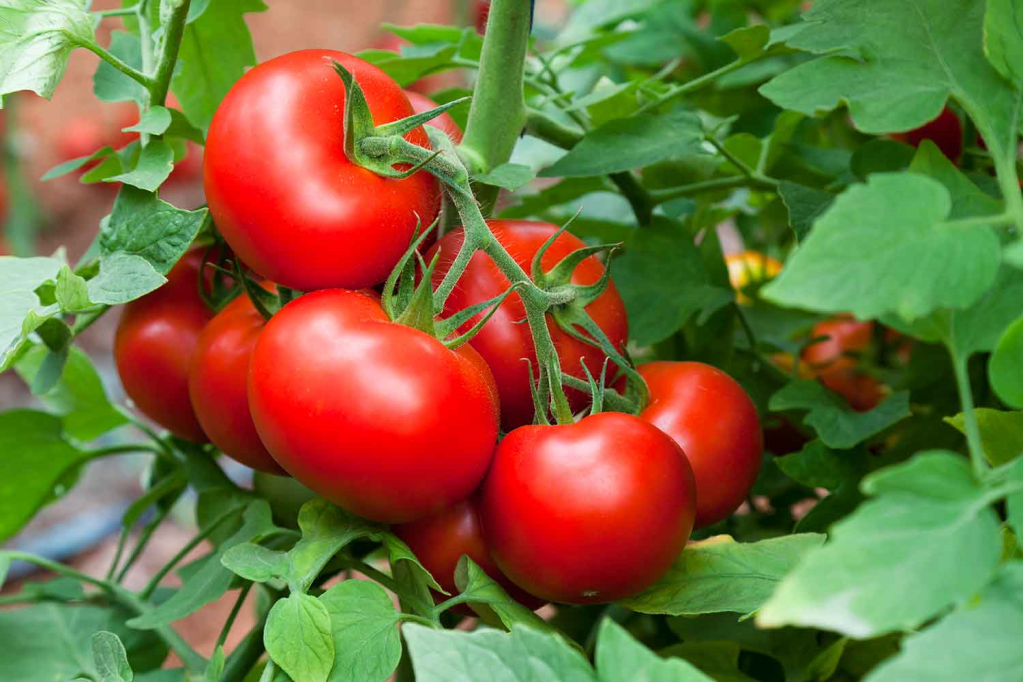
TOMATOES. Tomatoes help the body resist infection. Lycopene, a phytochemical in tomatoes, has powerful antioxidant properties. Helpful tip regarding lycopene: When tomatoes are cooked, heat breaks down the tomato’s cell walls releasing the lycopene. This is why tomato sauce, pasta sauce and ketchup are great sources of lycopene. Tomatoes can also help lower blood pressure, aid in cleansing toxins, and benefit the kidneys. Key nutrients in tomatoes include calcium, eugenol, potassium, sodium, zinc, ion, copper, vitamin C, vitamin K, vitamin E, amino acids, beta carotene, lycopene, and so much more. When purchasing tomatoes, choose plump ones that are free of bruises or soft spots. Tomatoes should be firm with taut, shiny skins and free of cracks. Fresh tomatoes will have a distinct fragrance. Helpful tip: If tomatoes are not quite ripe, you can hasten the ripening process by putting them in a brown paper bag and add a banana to the bag. To prepare tomatoes, wash them in cool water. When slicing a tomato for a sandwich or salad, place it upright and cut from top to bottom. The slices will keep their juice better this way! The beauty of tomatoes is that they can be eaten fresh in a salad or on a sandwich, baked, broiled, grilled, stewed and sautéed. Another great tip that I learned from canning tomatoes, if you plan to cook the tomatoes and are not using the skin, freeze the while tomato first. The skins will slip off easily when the tomatoes are defrosted. Tomatoes are one of the easiest vegetables to grow at home. You can grow them in a container in a sunny window or on the corner of a deck or porch.

RECIPES:

Rainbow Bell Pepper and Chickpea Salad. Take 1 (15 ounce) can of low sodium chickpeas, drained and rinsed, 1 medium yellow bell pepper, seeded and finely chopped, 1 medium orange bell pepper, seeded and finely chopped, 1 medium green bell pepper, seeded and finely chopped, 1/2 small red onion, finely chopped, 2 tablespoons extra virgin olive oil, juice of a 1/2 lemon and 1/4 teaspoon salt and 1/4 teaspoon pepper. In a large bowl, combine the chickpeas, bell peppers, and onion. Add the olive oil, lemon juice, salt and pepper, and mix well to combine. Serve immediately or you can refrigerate for 20 minutes to let the flavors meld!

Tomato and Peace Caprese. Take 2 medium heirloom tomatoes, thinly sliced, 2 ripe peaches, pitted and thinly sliced, 8 ounces fresh part-skim mozzarella, thinly sliced, 1 tablespoon extra virgin olive oil, 1 tablespoon balsamic vinegar. On a plate, assemble the salad by overlapping a slice of tomato with a slice of peach, followed by a slice of mozzarella. Repeat until all three ingredients are used. Drizzle the salad with olive oil and balsamic vinegar and sprinkle lightly with pepper. Serve immediately.

Oven-baked Sweet Potato Fries. (Note: because the skin is kept on the potatoes, these fries are high in fiber. Also, they are a healthy alternative because they are baked, not fried. I love them dipped in a low fat Ranch dressing!) Take 2 large sweet potatoes, 2 tablespoons extra virgin olive oil, 1/2 teaspoon garlic powder, 1/2 teaspoon oregano, 1/4 teaspoon salt, 1/4 teaspoon pepper, 1/4 cup grated Parmesan cheese, 4 thyme sprigs. Preheat the oven to 425 degrees. Cut the sweet potatoes in half horizontally, and then lengthwise into 1/4 inch wedges (the wedges should resemble a thick French fry). Toss the sweet potatoes with the olive oil, garlic powder, oregano, salt and pepper. Spread evenly on a baking sheet. Roast for 20-25 minutes until soft and browned in places. Preheat the broiler and broil the potatoes for an additional 2 minutes, until slightly crispy. Sprinkle them with Parmesan cheese and garnish with the thyme sprigs. Serve warm.

BONUS RECIPE.

Strawberry Lemon Mint Infusion. Take 6-10 large, dark red strawberries, 1 or 2 lemons sliced, 2 fresh mint sprigs, and 8 cups of water. Put the fruit and mint in a pitcher. Cover with the water and chill for 3 to 12 hours before serving.

Enjoy tonight’s post and recipes! Have a productive, safe and healthy last week of October! I will be back next week for the final installment of our Veggie Series!

“Don’t cry over the past, it’s gone. Don’t stress about the future, it hasn’t arrived. Live in the present and make it beautiful!”

“All About the Veggies” Part Four

Happy Monday Everyone! I hope this new week is off to a great start for you.

Tonight we continue on with a new post about our Veggies. This post will highlight green beans, potatoes, and spinach and feature some new recipes at the end.

GREEN BEANS fall under the category of Edible-Podded Beans. They are a rich source of iron and include wax, green and snap beans. They are a rare source of the nutrient inositol, and have been found to promote the normal function of the liver and pancreas. The entire pod (with the ends trimmed) is eaten. Key nutrients in edible-podded beans include fiber, calcium, iron, magnesium, phosphorus, sodium, zinc, copper, vitamin C, vitamin B, vitamin K (in green beans), folate, and small amounts of lipids and fatty acids. Buy edible–podded beans in loose form so that you can select pods of the same size to ensure they cook evenly. The pods should be straight and firm and free of any spots. If the beans are showing through the pods, they are over-mature and will be tough. You can store unwashed, unsnapped beans in resealable plastic bags in the crisper compartment of the fridge. Beans can keep for up to five days. To prepare them, wash the beans in cool water and snap both ends of each bean, removing any strings.

POTATOES. I love potatoes!!! They are a versatile vegetable, can be prepared in so many ways and are satisfying and a wise choice for healthy eaters and dieters alike. They are rich in potassium which can help maintain fluid balance and regular blood pressure and heart function. The supply of vitamin B in potatoes can help bolster immunity. A word of caution for those with diabetes: they can raise insulin and blood sugar levels quickly. Key nutrients in potatoes include calcium, iron, phosphorus, potassium, sodium, zinc, copper, vitamin C, vitamin B, vitamin K, vitamin E, niacin, fiber, folate and phytochemicals! Some of the varieties of potatoes include russet, long white, round white and round red. Look for clean, firm tubers with no eyes or sprouts. Sprouts contain solanine, a toxic substance. Avoid potatoes with a green tint to the skin since this also indicates the presence of solanine. A purplish tint to the skin or to the peeled potato may also indicate the presence of toxins.

SPINACH. Spinach is considered a “nutritional bonanza.” It is known for blocking the formation of nitrosamines, which are potent carcinogens. Spinach also contains alpha-lipoic acid whose strong antioxidant activity can protect nerve cells. Its calcium and magnesium content help build strong bones and teeth and lower blood pressure. Key nutrients in spinach include calcium, iron, magnesium, phosphorus, potassium, sodium, zinc, copper, vitamin C, vitamin E, vitamin K, riboflavin, beta-carotene, ferulic acid, rutin, lutein, chlorophyll and much more! If possible, buy loose spinach so that you can look at the leaves carefully. You want small leaves that are dark green in color with no signs of wilting or yellow spots. Fresh spinach leaves have a slightly rubbery texture. If you buy spinach that is packaged in a plastic bag, squeeze the bag and see if the leaves seem springy! You can loosely pack unwashed spinach in a plastic bag and store it in the crisper compartment of the fridge for up to a week. To prepare the spinach, separate the leaves and remove any stems that are fibrous and tough. Swirl them in a bowl or basin of cold water. Remove the leaves and let any dirt to settle to the bottom. Repeat this procedure until the leaves are dirt-free. (Helpful hint: Spinach contains osalic acid, a compound that can interfere with the body’s ability to absorb calcium and other minerals. Serving spinach with orange slices or a squeeze of fresh lemon juice will increase the absorption of the minerals found in spinach.)

RECIPES:

Spinach Salad with Strawberries and Feta. This salad is one of my favorites with sweet berries, salty cheese, crunchy almonds that are a good fat, and of course the spinach!) Take 1/4 cup of extra-virgin olive oil, 3 tablespoons balsamic vinegar, 1 teaspoon Dijon mustard, 8 ounces of baby spinach, 1 cup of stemmed and sliced strawberries, 1/2 cup of crumbled feta cheese, and 1/2 cup of toasted slivered almonds. In a small bowl, whisk together the olive oil, balsamic vinegar, and Dijon mustard until completely combined. Divide the spinach equally among 6 plates. Arrange the strawberries on top of the spinach. Crumble the feta over the strawberries and sprinkle the almonds on top. Drizzle the salads with balsamic vinaigrette and serve. ***Additional note: I will take all of the ingredients and store them in plastic containers in the fridge and make a single serving of the salad for myself. The containers of items keep for about 3 days. When I do this, I use the almonds untoasted.

Roasted Green Beans with Slivered Almonds. Take 2 pounds of green beans, trimmed, 2 tablespoons of extra-virgin olive oil, 1/2 teaspoon salt, 1/2 teaspoon pepper, and 1/2 cup of slivered almonds. Preheat the oven to 400 degrees. Place the green beans on a baking sheet. Drizzle with the olive oil, salt and pepper, and use your hands to toss the beans until they are evenly coated. Spread the beans in an even layer on the baking sheet. Roast the beans for 15 minutes. Remove from the oven, add the slivered almonds, and toss to combine the green beans and almonds. Bake for an additional 8 to 10 minutes, until the beans are tender and darkened in spots and almonds are browned, keeping an eye on the almonds so that they don’t burn.

Cheesy Potato Bites. (My husband is diabetic, so he is careful with his potato intake. For big sports games on t.v., I will make these for him as a treat!) Take 1 pound of russet potatoes (about 2-3 small), 1 tablespoon extra virgin olive oil, 1 tablespoon dried rosemary, 1/4 teaspoon salt, 1/4 teaspoon pepper, 1/4 cup shredded low fat mozzarella cheese, 1/4 cup Parmesan cheese. Preheat the oven to 375 degrees. Cut the potatoes horizontally into thick slices. In a medium bowl, mix the potatoes with the olive oil, rosemary, salt and pepper. Spread the potato slices evenly on a parchment-lined baking sheet. Bake for 25 to 30 minutes, flipping halfway through the cooking time, until tender and browned on both sides. Top each slice with the mozzarella and Parmesan, dividing the cheeses evenly. Preheat the oven to broil and broil for about 5 minutes until the cheese on top is golden. Let cool slightly, then serve.

Positive Prompts for the Week:

Kindness inspires kindness!

Today I will do what is right, not what is easy.

Keep moving forward.

I teach others by my attitude.

Today I will thank someone.

Practice makes progress!

Have a fabulous week! See you next week. We are close to finishing this series on Veggies and then we will move on to Fabulous Fruits!

“All About the Veggies” Part Three

Happy Saturday, everyone!! I hope this week’s new installment finds you safe and well, and that your weekend has been a great one so far! It was a busy one of decorating for fall and listening to weather reports of the first possible snowfall of the season this week.

Tonight is the third installment of our All About the Veggies Series. We will focus on four vegetable staples and some great recipes to peak your taste buds: Carrots, Celery, Cucumbers, and Lettuce!

A note to start us off: It is recommended that individuals eat at least six servings of vegetables and fruits each day. Many wonder how to do this. Here are some creative suggestions on how you can easily increase the amount of vegetables in your daily diet.

Serve soup. Use vegetables and legumes as a base for soups or as additional ingredients.

Thicken sauces without using fat. Substitute cooked and pureed vegetables for cream or whole milk.

Pasta and stir fry dishes are ideal ways to incorporate lots of different vegetables into your meals while using small portions of meat.

Add raw, grated vegetables such as carrots or zucchini to muffin or cookie recipes.

Try different types of lettuce. Choose a wider variety of greens, including arugula, chicory, collards, kale, spinach and watercress.

Steam vegetables and serve them over rice to create a beautiful healthy meal. Most vegetables taste better and are much more nutritious when steamed.

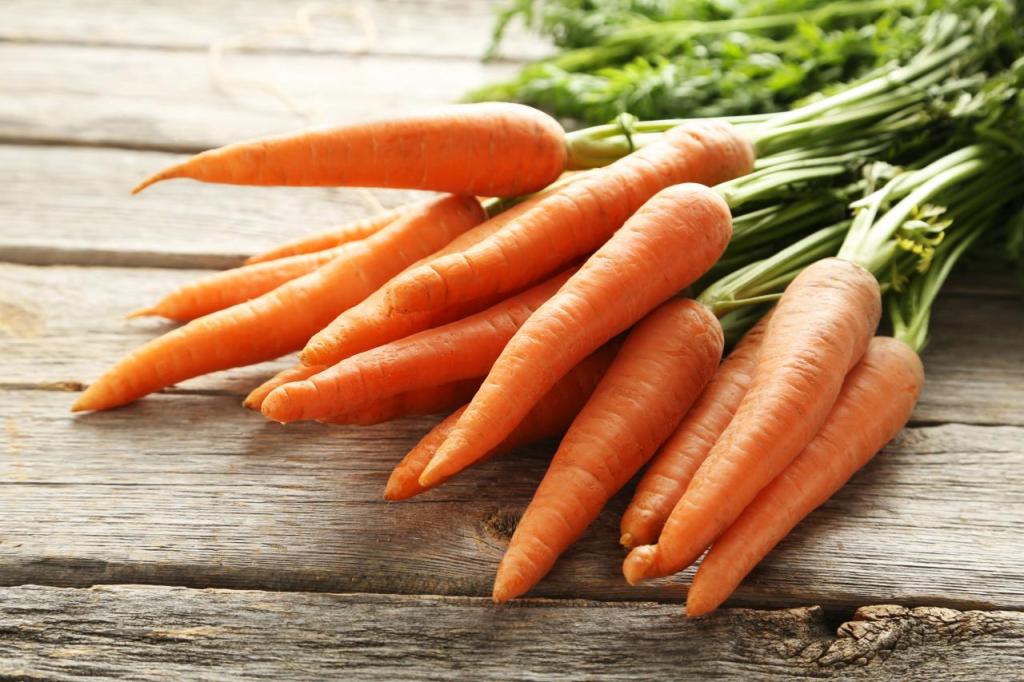
CARROTS. Carrots are one of the best dietary sources of beta-carotene, which boosts the immune system. Carrots stimulate production of T-helper cells, immune cells that protect the body from all types of infection. They also build healthy skin, tissue and teeth and improve eyesight. Key nutrients in carrots include fiber, calcium, iron, magnesium, phosphorus, potassium, sodium, zinc, copper, vitamin C, vitamin B, vitamin K, vitamin E, folate, and amino acids. Look for carrots that are reddish-orange. The deeper the color, the higher the beta-carotene content. Carrots should be medium to slender in size. Avoid carrots that have dark-green or black rims at the top. Carrots store well. They will keep in their original packaging up to four weeks. Loose carrots should be stored unwashed in a closed plastic bag.

CELERY. Celery has mild diuretic properties and aids in digestion and weight loss. It also helps to regulate the nervous system and aids kidney and liver function. Celery is an excellent addition to raw vegetables juices. Key nutrients include calcium, iron, magnesium, phosphorus, fiber, vitamin B, vitamin E, vitamin K, vitamin C, sodium, zinc. Look for stalks that are pale green and smooth. Avoid bunches that have cracks or dark spots. Darker green tend to be tough and stringy. The leaves should be crisp and dark green. Unwashed celery stored in a open plastic bag in the crisper drawer of your fridge will keep up to two weeks.

CUCUMBER: Cucumbers are approximately 95 percent water and are not quite as high in vitamins as most other vegetables. However, they are a very useful vegetable for normalizing heart rhythm, regulating blood pressure, and maintaining the body’s fluid balance. They are low in calories and a good source of fiber. They are one of my absolute favorite vegetables to snack on, add to my work lunches and they add great texture to salads and sandwiches and wraps. Select firm cucumbers with rounded tips. The skin should be dark green with no yellowing. Typically smaller cucumbers have fewer and smaller seeds. Cucumbers must be refrigerated to remain fresh. Once cut, a cucumber should be wrapped in plastic and stored in the crisper drawer.

LETTUCE. There are several good all-purpose varieties of lettuce containing antioxidants. Their high fiber content helps to regulate bowel function. Key nutrients in loose-leaf lettuce include calcium, iron, niacin, magnesium, potassium, sodium, zinc, copper, vitamin C, vitamin B, vitamin E, fiber, folate and more. Look for a large, loose head with ruffled leaves that are crisp. The leaves might be light green or tipped in red. There should be no visible signs of wilting or yellow spots. Loose-leaf lettuce will keep for up to four days in a plastic bag in the crisper drawer of the fridge.

RECIPES:

Roasted Carrot Fries. Take 1 pound of carrots, 2 tablespoons of extra-virgin olive oil, 1/2 teaspoon salt, 1/2 teaspoon pepper. Preheat the oven to 400 degrees. Trim the thin ends of the carrots and peel them. Cut the carrots in half horizontally, and then again lengthwise, so the pieces resemble French fries. In a large bowl, toss the carrots with the olive oil, salt and pepper until well coated. Place the carrots in an even layer on a baking sheet. Roast the carrots for 20 to 25 minutes flipping halfway through the cooking time until they are tender and starting to brown.

Crunchy Tuna Salad Pitas. Take 1 (6 ounce) can solid white albacore tuna in water, drained and rinsed, 4 celery ribs, chopped, 2 teaspoons of dried dill, 1 1/2 tablespoons honey Dijon mustard, 1 1/2 tablespoons mayonnaise, 1/2 cup coarsely chopped lettuce of your choice and 2 whole wheat pitas halved. In a medium bowl, mash the tuna with a fork. Add the celery and dill to the bowl with the tuna and stir to combine. In a separate small bowl, mix the Dijon mustard and mayonnaise. Add to the tuna and mix to combine. Stuff each pita half with 1/2 of the lettuce and 1/2 the tuna salad. Serve immediately. ***To make this recipe gluten-free, substitute gluten-free pita or a gluten-free bread for the whole wheat pita.

Marinated Cucumber Salad. (This is one of my favorite recipes. It is refreshing and a great summer dish. The beauty of it as well it that it is considered dairy-free, egg-free, gluten-free, nut-free, soy-free and vegan.) I recommend letting it sit in the fridge after you make it for about an hour before serving as the cucumbers pick up the flavors the longer it marinates. Take 1/4 cup extra-virgin olive oil, 1/4 cup white wine vinegar, 2 tablespoons freshly squeezed lemon juice, 1/4 teaspoon salt, 1/4 teaspoon pepper, 4 medium cucumbers, thinly sliced, 1 small red onion, thinly sliced, and 2 tablespoons finely chopped fresh dill. In a large bowl, whisk together the olive oil, vinegar, lemon juice, salt and pepper. Add the cucumbers, onion, and dill to the bowl and toss to combine. Cover and refrigerate for at least 30 minutes to an hour before serving.

Have a fabulous start to your new week! May it be productive, full of joy, and promise and hope. I look forward to “seeing” you back here next week for more great info and recipes!

Positive Thought Prompts for the New Week:

Life is beautiful.

I believe in the power of my thoughts.

Be kind. People you meet may be fighting a hard battle.

Today I will slow down and enjoy the moment.

I am grateful for….

Citrus Splash White Beeswax Candle 4 ounce jar candle No Soy No Parabens – 3 oils!

Brand new 4 ounce jar candle made with white beeswax and coconut oil, lime, lemon and orange essential oils. A great candle for a fresh citrus energizing aroma. Burns clean!

$4.99

Click here to purchase.

It’s All About the Veggies – Part Two

Happy Sunday everyone! Welcome to the first full week of October! I do hope this post finds you safe and well. We are finally enjoying cooler temperatures here, changing colors of the leaves and I love it!

Last week we discussed how vegetables are divided into several categories. We will start tonight’s blog by expanding on those.

GREEN AND LEAFY VEGETABLES. Green and leafy vegetables are highly nutritious and include the following: collards, dandelion, kale, spinach, endive, chicory, watercress, lettuces. They are a super source of beta-carotene, iron, dietary fiber. I LOVE to add leafy vegetables to salads and mix them with dried berries and seeds or nuts. Another favorite is to blanch strong greens such as kale in a broth and then add it to homemade soups and stews. An added plus: while leafy vegetables are high in nutrition, they are low in calories!

SEEDS AND PODS. Seeds and pods are the parts of the plant that store energy. They include snow peas, green beans, okra and corn. They contain more protein than other vegetables.

ROOTS, BULBS AND TUBERS. These are the parts of the plant that store nutrients. Among the most popular would be potatoes, rutabaga, turnips, beets, and carrots. Although these are not generally as low in calories as other vegetables, they are rich in minerals and very filling. They are a great source of fiber and can be used as a lower calorie alternative to other starches such as rice or pasta.

“FRUIT” VEGETABLES. Fruit vegetables include tomatoes, avocadoes, squashes, and peppers. They are low in calories and can provide a boost of flavor to salsa, relishes.

FLOWERS, BUDS, AND STALKS. These include celery, rhubarb, asparagus, cauliflower and broccoli. These tend to be rich in vitamin C and dietary fiber. There are now a great variety of edible flowers that make wonderful additions to salads and edible rose petals have a sweet taste and I use them in fruit salads!!

Let’s focus tonight on 3 star vegetables: broccoli, brussels sprouts and cabbage.

BROCCOLI. This is absolutely one of my most favorite raw vegetables. Broccoli is one of the best vegetable sources of calcium and just one half cup daily exceeds the recommended dietary allowance of vitamins C and E. Other key nutrients include: calcium, iron, magnesium, potassium, sodium, zinc, vitamin B, folate, and more. The florets should be compact and uniformly green. Varieties with a purple or blueish green cast are higher in beta-carotene than the green. Bright color is an indication of nutritional quality. Unwashed broccoli stored in an open plastic bag in the crisper compartment of the fridge will keep for three to five days.

BRUSSELS SPROUTS. Key nutrients in Brussels sprouts include calcium, fiber, iron, magnesium, vitamin C, vitamin B, vitamin A, vitamin E, vitamin K, folate and more. Brussels sprouts should be firm with compact, bright green heads. Yellowed or wilted leaves indicate aging. Check around the stems for any black smudges. This may be a sign that there are aphids on the inside. Stems should be white! Store unwashed, untrimmed sprouts in a perforated plastic bag for up to five days in the crisper compartment of the fridge.

CABBAGE. Cabbage is an excellent vegetable for stimulating the immune system and killing bacteria and viruses. It is a good source of fiber. The part of the cabbage that is eaten is the head. Key nutrients include calcium, fiber, iron, magnesium, phosphorus, potassium, sodium, zinc, copper, vitamin C, vitamin E, vitamin K, folate and much more! Cabbage heads should be free of wilted leaves or brown spots. The head should feel heavy for its size. Red and green cabbage can be stored unwashed and uncut for up to twenty days. If kept cold, it will retain its vitamin C content! (***note: I love fresh leaves of red cabbage on a lunch meat sandwich with wheat bread and a light mayo!)

RECIPES:

24-Hour Cabbage Slaw. Take 1/2 medium cabbage, 1 small halved sweet or red onions, 1/2 medium green pepper, 2 carrots, 1/2 teaspoon Italian seasoning, 2/3 cup of apple cider vinegar, 1/3 cup of vegetable oil, 1 dash of barley malt sweetener and 1/2 teaspoon sea salt. Slice the cabbage into wedges, finely chop the onion and pepper, and place them in a large mixing bowl. Shred the carrots and add to the cabbage mixture. Mix the remaining ingredients together and stir them into the cabbage mixture. Refrigerate for at least eight hours before serving or make a day in advance! At serving time, stir thoroughly and drain off any excess liquid.

Broccoli Salad with Walnuts, Raisins and Red Onion (***This is one of favorite recipes. I love to make this and have a serving along with a sandwich for lunch and this salad is filling enough that I take it many times in a container for my work lunch. It keeps very well and I think gets more flavorful after a day or two!) Take 1/2 cup of plain Greek yogurt, 1/4 cup of mayonnaise, 1 1/2 tablespoons of white vinegar, 1/4 teaspoon salt, 1/4 teaspoon pepper, 3 cups of chopped broccoli florets and stems, 1/4 cup of chopped walnuts, 1/2 cup of finely chopped red onion, 2 tablespoons raisins. In a large bowl, mix together the Greek yogurt, mayonnaise, white vinegar, salt and pepper. Add the chopped broccoli to the bowl and stir until the broccoli is well coated. Add the walnuts, onion, and raisins to the bowl. Mix until just combined. Transfer to the fridge for at least 20 minutes and serve cold.

Pesto Penne with Broccoli and Sunflower Seeds. (***I must confess, overall I am not a fan of cooked vegetables. I love them raw. However, when mixed with pasta, I can manage.) Take 1 medium head broccoli florets, coarsely chopped, 3 cups of dried whole wheat penne pasta, 1 cup of halved cherry tomatoes, 1/2 cup of unsalted sunflower seeds, 1 cup of pesto, 1/2 teaspoon salt, and 1/2 teaspoon pepper. Bring a large stockpot of water to a boil. Add the broccoli florets and blanch for 1 to 2 minutes, until slightly tender. Remove the broccoli with a slotted spoon and transfer to an ice bath to stop the cooking. Add the pasta to the boiling water. Cook per the package directions. Drain. Spray a medium skillet with cooking spray. Add the cherry tomatoes and cook for about 2 minutes, until they soften and the skin begins to wrinkle shaking the pan occasionally. In a large bowl, combine the pasta with blanched broccoli, cherry tomatoes, sunflower seeds and pesto. Add the salt and pepper and toss to combine. Serve immediately. (This is a great recipe because it helps you ease into eating vegetables by adding them in smaller amounts to foods you already love!)

Thanks for stopping by! Have a great start to your new week. Continue to stay well! Next week we will continue with the next installment about veggies!

“When writing the story of your life, don’t let anyone else hold the pen.”

A Healthier You – All About the Veggies Part One

Happy Monday everyone! I do hope it has been a good weekend for all of you and that you have continued to stay safe and well! It is hard to believe we are entering the last week of September! Thanks for being here and tonight’s post will focus on Veggies! The timing of this post turned out perfectly, because many of you are probably harvesting your gardens or visiting farmer’s markets that are in full swing selling their fall harvests!

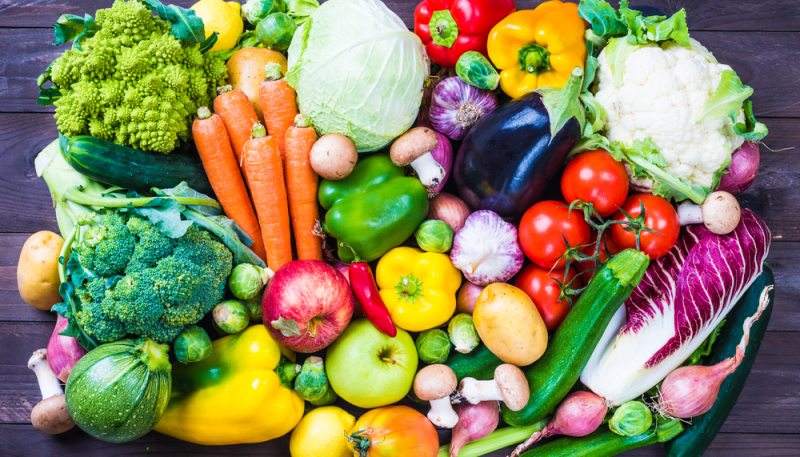
Vegetables provide just a host of nutrients that are so important for maintaining optimal health. They contain essential fatty acids, vitamins, minerals, and trace minerals that the body needs. Vegetables also almost virtually fat-free, cholesterol-free and a fabulous source of fiber. The best way to put it: “Vegetables offer the maximum amount of nutrition for the minimum amount of calories.” Likewise, the energy that comes from vegetables comes in the form of complex carbohydrates, which do not cause high or low blood sugar. People have begun turning to raw vegetables and juices made from them because of their healing properties, high levels of beta-carotene, phytochemicals, and antioxidants.

Most of our vegetables fall into one of several categories: leafy vegetables (or leafy greens); seeds and pods; roots, bulbs and tubers; “fruit” vegetables; and flowers, buds and stalks. Some of these categories do have some overlap. For example, kale is classified as a cruciferous vegetable but may also be considered a leafy green. The nutritional content of vegetables will vary and how you prepare vegetables for eating will affect the nutritional content as well.

To gain the optimum amount of nutrients from your veggies, vegetables should be consumed either raw or lightly cooked, steaming vegetables is the best way. If certain vegetables you like are out of season and canned options are the only ones available, purchase varieties that are labeled “reduced sodium or low sodium” and have no MSG. And when properly prepared, frozen vegetables are also a great alternative when fresh produce is not available. Some phytochemicals in vegetables are actually preserved by freezing!

A list of your top nutritious vegetables: the following list of vegetables are particularly nutritious. They have high amounts of vitamins A and C, calcium, fiber, beta-carotene, folate, iron, potassium and copper.

All dark-green leafy vegetables, Sweet potato, Carrot, Spinach, Collards, Bell pepper (red), kale, dandelion greens, broccoli, brussels sprouts, peas, winter squash, swiss chard.

RECIPES:

All Natural Veggie Wash: Take 1 tablespoon of fresh lemon juice, 1 tablespoon of baking soda, 1 cup of distilled water, and 1 spray bottle. Mix all of the ingredients in the spray bottle and shake well. Spray on fresh vegetables and rinse with water.

TOMATO SALSA: 3 medium tomatoes, 1 large clove garlic, 2 scallions, 1/2 cup parsley and 1/2 teaspoon sea salt. Dice or chop the tomatoes into small pieces and place in a medium mixing bowl. Finely mince the garlic and chop the scallions and parsley into small pieces and add them to the tomatoes. If desired, season with the sea salt. Mix all of the ingredients together. Serve as a side dish, spoon over rice or pasta, or use as a dip with tortilla chips or as a dressing for salads.

ALMOND CREAM GREEN BEANS: 1 pound of fresh or frozen green beans, 1/2 teaspoon sea salt, 1/2 cup of almonds, slivered or in large pieces, 3 tablespoons of vegetable oil, 2 teaspoons of whole wheat flour, 1/2 cup of plain yogurt or sour cream and a dash of cayenne pepper. Clean the beans and place them in a saucepan with just enough water to cover. Add the sea salt. Bring the pot to simmering temperature and allow the beans to simmer for 15 minutes. Drain. Saute the almonds in 1 tablespoon of the oil until they are lightly browned, and remove them from the pan. Add the rest of the oil to pan, add the flour, and cook over medium heat, stirring constantly, until thickened and well blended. Add the yogurt, mix until smooth, and continue cooking until the moisture is thickened. Add the drained beans and half of the almonds, season with cayenne pepper, and allow to cook briefly to make sure the beans are heated through. Top with the rest of the almonds. Serve warm. (Variation: if you prefer, you can substitute onions for the almonds!)

CARROT-ALOE-GINGER JUICE: 3 large carrots, 2 tablespoons fresh ginger, 1/2 cup of food-grade aloe vera juice. Place all of the ingredients in a juicer or blender with a juicing setting and process until pureed. Drink immediately!

TRUE WORDS FOR THE NEW WEEK:

Talk – Softly

Eat – Sensibly

Breathe – Deeply

Sleep – Sufficiently

Act – Fearlessly

Work – Patiently

Think – Creatively

Speak – Kindly

Love – Unconditionally

I hope ALL of you have a great start to the new week. May it be productive, fulfilling, full of purpose and moments of peace and joy. Keep pressing forward! I will be back later next week for Part Two of All About the Veggies!

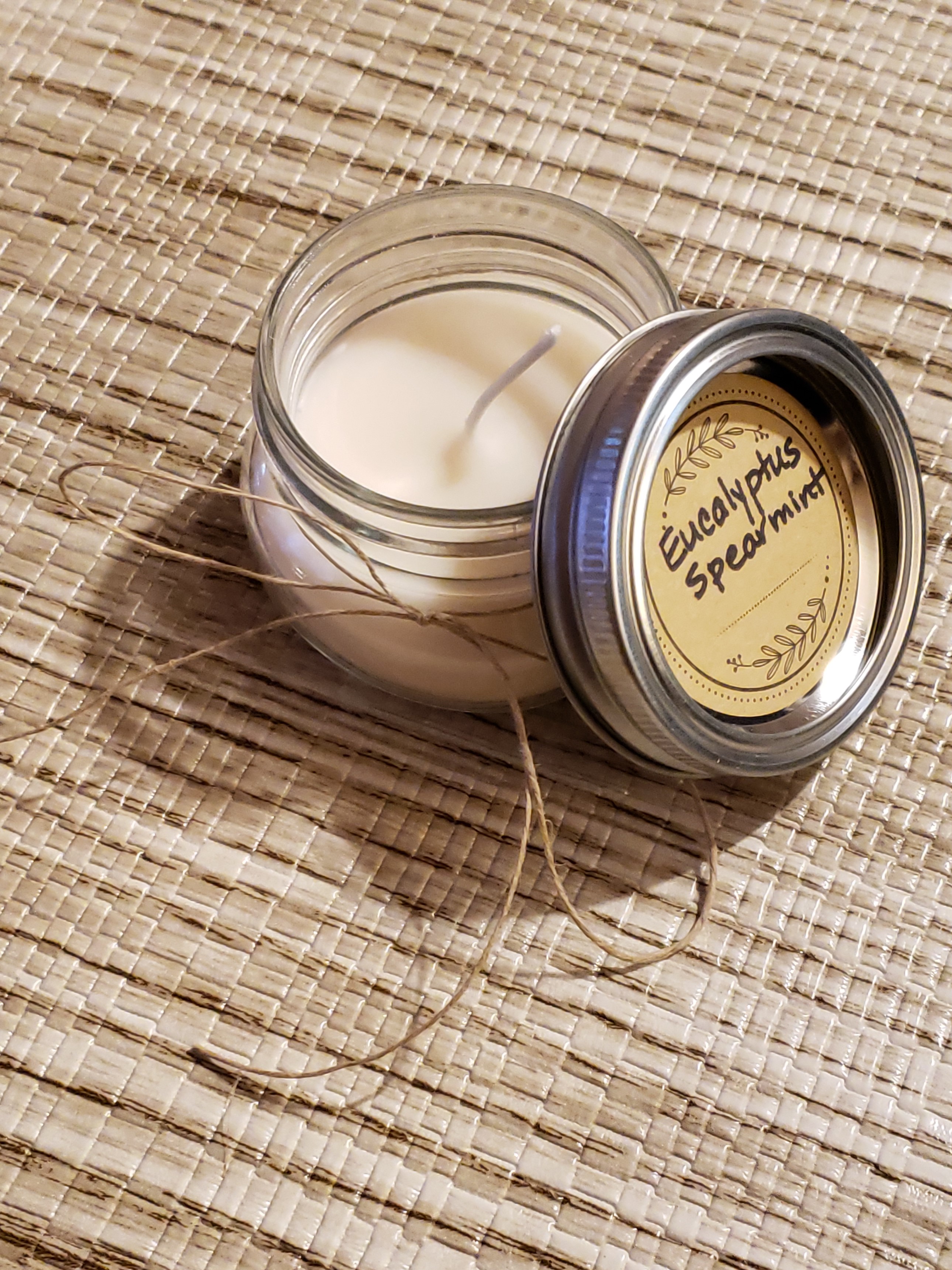
Eucalyptus-Spearmint White Beeswax Candle – 4 ounce jar candle

This is a refreshing candle that cleans the air and stimulates! It is made with eucalyptus and spearmint essential oils and white beeswax and coconut oil. It has no soy and no parabens. Long burning and clean!

$5.99

Click here to purchase.
Design a site like this with WordPress.com
Get started