Good evening everyone! Welcome back and thanks for being here for Part Six in our Spices and Herb series. I do hope your week was a great one! Last week we had a section all about fennel. One of our readers, bernlag, sent in a great tip from their family: “My Italian family slices the fennel bulb into slivers and serve it as an app with EVVO mixed with salt and pepper.” I asked permission to include it in tonight’s post! Be sure to visit their blog New Classic Recipes – Classic recipes reinvented for the modern cook.
Horseradish, actually a cruciferous vegetable, is a relative of the radish and member of the mustard family. It is a root with a sharp, hot flavor that is usually grated and eaten raw or added to sauces as a condiment. It is good for people with bronchial disorders. It acts as an expectorant to loosen and remove mucus. For sore throats and coughs, add 1 tablespoon of grated fresh horseradish, 1 teaspoon of honey, and 1 teaspoon of ground cloves to a glass of warm water. Sip slowly or use as a gargle. Horseradish complements cheeses, salad dressings, and vegetables. You can make fresh horseradish sauce by peeling and grinding the roots, then mixing them with vinegar. To make a healthy spread, blend fresh horseradish with yogurt. Key nutrients in horseradish include vitamin C, calcium, fiber, iron, magnesium, vitamin B, phosphorus, potassium, and zinc. Phytochemicals include limonene, pectin, tannin and vanillic acid.
Marjoram is a member of the mint family that is similar to oregano, but with a milder, more delicate, sweeter flavor. It is also called wild marjoram and sweet marjoram, Marjoram has proven useful in reducing fever, relieving cold and flu symptoms, easing headaches and preventing motion sickness. For a tea, use 1 to 2 teaspoons of dried leaves and flower tops per cup of boiling water; steep for 10 minutes, then strain and drink. Marjoram is good in sauces and tomato-based dishes, green salads, stuffing, stews, and soups. It goes well with a variety of cooked vegetables, lentils, and beans. Both leaves and flower tops can be used, either fresh or dried. Key nutrients include calcium, iron, magnesium, phosphorus, potassium, zinc, vitamin C, vitamin B, folate and fiber. Phytochemicals include carvone, beta-carotene, caffeic acid, tannin and ursolic acid.
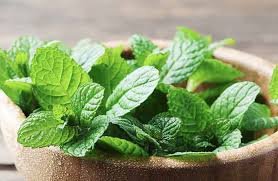
Mint, a member of the botanical family that includes basil and marjoram, comes in hundreds of varieties, though peppermint and spearmint are the most common. Its flavor is sweet and cooling. Mint is useful for easing insomnia, upset stomachs, and nervous tension. It helps the body break down fat by stimulating bile flow. For a fragrant zest, put fresh mint leaves in fruit salads and fruit soups, on new potatoes, in cold fruit beverages, on cooked carrots or peas, and on cold grain salads, such as tabbouleh. Mint also makes a refreshing herbal tea or an appetizing garnish. Key nutrients in mint include vitamin C, vitamin A, vitamin B, vitamin E, calcium, magnesium, phosphorus, potassium, iron, folate and fiber.
Mustard seed – both the leaves, known as mustard greens, and seeds of the mustard plant can be used in cooking. The oil from the weed is used as a condiment. This herb has a strong, hot, spicy flavor. Mustard can help loosen and remove mucus. Mustard oil diluted with rubbing alcohol and applied to the skin, helps increase blood flow to arthritic areas. For a cold, apply a plaster made with prepared powdered mustard and cold water to the chest–the mustard’s warming action can be soothing. The whole and ground seeds liven up sauces, marinades, salad dressings, chutneys, pickles and relishes. Key nutrients include calcium, iron, magnesium, phosphorus, potassium, sodium, zinc, copper, selenium, vitamin C, vitamin B, folate and fiber. (Caution: prolonged use of mustard plasters can result in skin irritation.)
RECIPES:
New potatoes with Lemon Horseradish. Take 1/4 cup of butter of your choice, 1 tablespoon prepared horseradish, 2 teaspoons of lemon juice, 1/2 teaspoon of sea salt, 1/8 teaspoon of pepper, 12 small new red potatoes unpeeled, 1 small lemon, cut into 6 slices and halved, and 2 tablespoons of chopped fresh parsley. Heat oven to 350 degrees. Melt butter in oven in 2-quart casserole. Stir in horseradish, lemon juice, salt and pepper. Stir in potatoes until well coated with butter. Cover and bake for 55-65 minutes or until potatoes are fork tender. Garnish with lemon slices and sprinkle with parsley.
Refreshing Mint Tea. Take 2 cups of water, 15 mint leaves (fresh peppermint or spearmint), 1 to 2 teaspoons of honey, lemon slices, fresh lemon juice. Bring the water to a boil. Remove from heat and add the fresh mint leaves. Steep for 3 to 5 minutes, depending upon the desired strength. Add honey and stir. (If you want to serve this as iced, fill tall glasses with ice and pour the tea over. If serving hot, pour the tea into mugs. Garnish with lemon slices and juice to taste.)
Fresh Marjoram Pesto. Take 1 cup of fresh marjoram leaves, 1/2 cup fresh basil, 1 1/4 cup aged asiago cheese, 1 cup of walnuts, 3/4 cup of extra virgin olive oil, 1 clove of garlic, 2 tablespoons of fresh squeezed lemon juice and 1/4 teaspoon of sea salt. Pick the marjoram leaves of the stems, shred the asiago and measure all ingredients and puree in a food processor or blender.
Have a great last week of January! The first month of the new year is almost over already! Wow. Stay safe and well. Next week we are on to nutmeg, oregano, paprika and parsley!
“The canvas of life is waiting for some bright colors…let us add shades joy, love, peace and happiness.”
 Lemon and Rosemary
Thanks for the mention😊. I really like horseradish and use it in some unusual ways. I add it to my bake bean recipe and it is also my secret ingredient for my deviled eggs. I learn so much from reading your blog – really enjoying.
LikeLike