Hi Everyone! Welcome to the new month of June! I trust your Memorial Day was safe and happy. Thanks for being back as we spend some time in this post discussing some interesting facts about cholesterol.
There are many misconceptions about cholesterol, particularly that all cholesterol is bad for you. In truth, cholesterol is an essential part of every cell structure in the human body, and is vital for proper brain and nerve function. Most cholesterol is manufactured in the liver, then transported through the bloodstream to where it is needed in the body. It is a fatty substance, and, because blood is mostly water, it latches on to molecules called lipoproteins to hitch a ride throughout the body. There are two types of lipoproteins-low density and high density. Low density lipoproteins (LDL’s) carry cholesterol from the liver to the places where it is needed. Because they also encourage the deposit of cholesterol in the arteries, those are the “bad cholesterol” doctors warn you about. Very low density lipoprotein (VLDL) increases the risk of coronary artery disease (CAD). High density lipoproteins (HDL’s) are the good cholesterol. HDL’s carry unneeded cholesterol away from the cells and back to the liver, where it is broken down and removed from the body. Total cholesterol refers to the overall level of cholesterol in the blood, including LDL’s, HDL’s and VLDL’s. If the body’s systems are functioning as they should, the activity of LDL’s and HDL’s and cholesterol levels, remain in balance. However, if there is too much cholesterol for the HDL’s to pick up promptly, or if there are not enough HDL’s to do the job, cholesterol may form plaque that sticks to artery walls and can eventually lead to heart disease. Cholesterol levels are greatly influenced by diet, but they are also affected by genetic makeup.
Some risk factors for high cholesterol and the dangers associated with it include the following:
Age. Levels of LDL’s usually increase with age.
Gender. Until age 45, men generally have higher total cholesterol levels than women. Also, up to about this age, women tend to have higher HDL levels. After menopause, women’s total cholesterol rises and levels of protective HDL’s drop.
Family history. If immediate family members have undesirable cholesterol levels and cardiovascular problems, the risks increase.
In addition, there are a number of disorders and other factors that can increase risk, including the following: diabetes, high blood pressure, inactivity, obesity, and smoking. Interesting fact regarding stress and sustained tension. This induces the secretion of hormones that cause undesirable shifts in cholesterol, HDL, and LDL levels among other things. Try to avoid stress and sustained tension. Learn stress management techniques to help you deal with stresses that you cannot avoid.
Meat, dairy, and fried foods are the primary sources of “bad” dietary cholesterol. Fruits and vegetables on the other hand are totally free of cholesterol. Foods that are good for lowering cholesterol include the following:
apples, bananas, barley, carrots, cold-water fish, flaxseed oil, garlic, grapefruit and citrus fruits, lentils, nuts and seeds, oat bran, olive oil, onions, sea vegetables, soybeans and other dried beans, whole grains.
Some other foods that can have a powerful positive effect:
Garlic. Studies have shown that eating just one-half clove of garlic per day can decrease cholesterol levels. In one study, researchers found that allicin, an active component in garlic, blocks the action of bacterial enzymes by reacting with thiols, a crucial component of some enzymes that participate in the synthesis of cholesterol. If you find the taste or smell of garlic offensive, use Kyolic aged, deodorized garlic capsules. (I use these personally and take two every morning!)
Ginger. Ginger lowers cholesterol levels and also prevents the oxidation of LDL, which contributes to cholesterol deposits on artery walls.
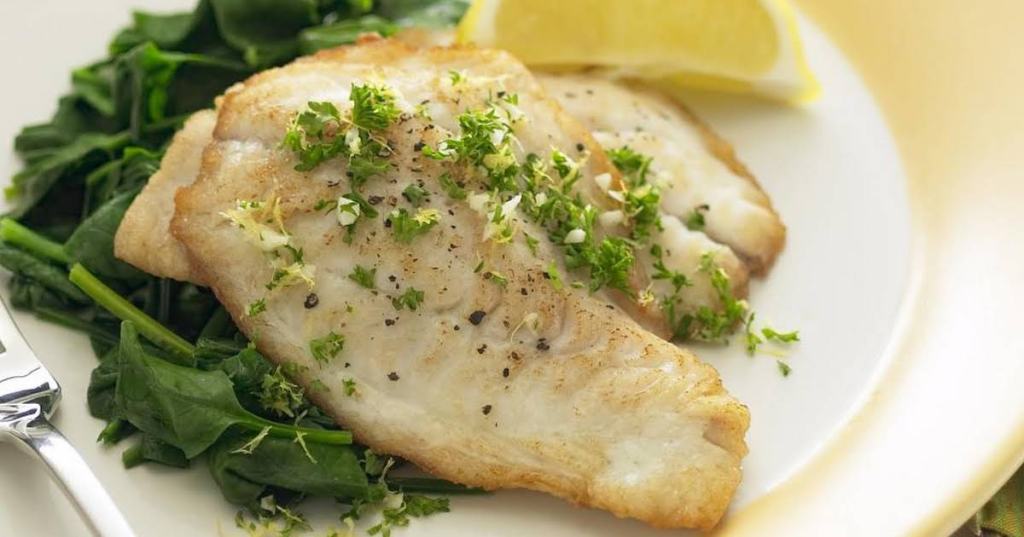
Fish. Research has shown over and over that people who often eat omega-3 rich fish have a lower risk of heart disease than those who don’t eat it as often. In addition to lowering triglyceride levels, research suggests that omega-3’s make the blood more slippery and less likely to clot. The American Heart Association recommends eating fish two or three times a week.
Citrus Fruits. Citrus pectin is a plant fiber found in the white part of the rind of citrus fruits that has cholesterol-lowering properties and inhibits cholesterol from forming plaques in the arteries.
Exercise. Finally, if you want to lower your cholesterol level, get regular moderate exercise. Exercise is essential for proper function of the gallbladder and other organx. It increases the transport of oxygen to all the cells and improves circulation. Deep-breathing exercises also help to stimulate the gallbladder and liver. (Consult with a health-care provider before beginning any new exercise program.)
RECIPE:
Broiled Fish Tacos. Take 3 limes, 1/4 cup grapeseed or canola oil, 1 packed cup cilantro leaves, chopped (from about half a bunch), 1 packed cup fresh mint, parsley or basil leaves, or a combination chopped, 1/2 teaspoon kosher salt, plus more for seasoning, 1/2 teaspoon paprika, 1/2 teaspoon ground coriander, 4 boneless mahi mahi or halibut fillets, about 6 ounces each, 8 tortillas, Mexican crema or creme fraicha for serving. Finely zest the limes into a medium bowl. Remove the peel and pith from each lime. Discard the peel and pith, and cut the flesh into rounds. Chop into small pieces and add to the bowl. Set aside, along with 1 tablespoon vegetable or grapeseed oil and the chopped herbs. (You’ll add them right before serving.) Move the broiler rack to less than 6 inches from the flame or coil, and heat broiler to high. Place the fish fillets in a flat, ovenproof dish. Combine the remaining 3 tablespoons of oil, salt, paprika, and coriander in a small bowl. Drizzle all over the dish, rubbing to make sure all surfaces are coated. Broil until fish is crispy golden brown around the edges and just cooked through, about 5 to 6 minutes (do not overcook). Meanwhile, lay out the tortillas in an even layer (overlapping slightly) on a baking sheet. Remove the fish from the oven, and immediately toast the tortillas under the broiler until golden around the edges, about 2 minutes. Flip and toast 30 seconds to 1 minute more. Toss together the lime zest, lime flesh, herbs and oil and season with salt. Break each fish fillet in half with a fork or spoon to make 8 portions, and fill each tortilla with fish and herb salad. Drizzle with crema.
“Consider every problem a gift. Without problems we would not grow.”
Have a great start to the new week! Next week’s post will be Part One of a new series called “Super Savory Substitutions” all about ways to make you and your diet healthier!
 Lemon and Rosemary
A very easy to understand explanation about something that is on everyone’s mind.
LikeLike